

Are you ready to enjoy fresh, crisp lettuce straight from your garden? If you live in Southern California, knowing when to plant this versatile vegetable can make all the difference in your harvest. With its mild climate, the region offers unique opportunities and challenges for growing lettuce.
Key Takeaways
- Lettuce Varieties Matter: Choose from cool-season varieties (e.g., Butterhead, Romaine, Leaf) for spring and warm-season varieties (e.g., Crisphead, heat-tolerant Butterhead) for summer planting in Southern California.
- Timing is Key: Optimal planting times are late February to early April for spring and late August to early October for fall. These windows maximize your chances of success by aligning with temperature preferences.
- Temperature Guidelines: Aim for daytime temperatures between 60°F and 70°F for cool-season varieties and nighttime temperatures above 55°F for warm-season types to prevent bolting and ensure healthy growth.
- Soil Preparation: Well-draining, nutrient-rich soil with a slightly acidic pH between 6.0 and 6.8 is crucial. Incorporate organic matter and use mulch to enhance soil quality and moisture retention.
- Maintenance Practices: Regularly monitor soil moisture, water deeply but infrequently, and apply a balanced fertilizer at planting and during growth to support robust lettuce development.
- Frost Awareness: Be mindful of local frost dates for optimal planting scheduling and protect young plants with row covers if frost is expected to extend your growing season.
Understanding Lettuce Varieties
Lettuce varieties play a crucial role in successful cultivation. Knowing the differences can help you select the right types for your planting schedule in Southern California.
Cool-Season Varieties
Cool-season varieties thrive in mild temperatures, making them suitable for planting in early spring and late summer. Some popular options include:
- Butterhead Lettuce: This type has tender, buttery leaves and a loose head structure. It’s ideal for your spring garden.
- Romaine Lettuce: Known for its crunchy texture, romaine grows well in cooler months. It’s great for salads and can be harvested multiple times.
- Leaf Lettuce: Leaf varieties, such as Red Leaf and Green Leaf, grow quickly. You can harvest the outer leaves while allowing the inner leaves to continue growing.
Lettuce can bolt (go to seed) if temperatures rise too quickly. Plant these varieties when temperatures range from 60°F to 70°F for optimal growth.
Warm-Season Varieties
Warm-season varieties flourish in higher temperatures. For planting in late spring and summer, consider:
- Crisphead Lettuce: This type forms a tight, crispy head. Varieties like Iceberg are popular for their crunch but require consistent moisture and cooler soil temperatures to thrive.
- Butterhead Varieties: Some butterhead varieties can tolerate heat better than others. Look for those labeled as “heat-tolerant” to improve success during hotter months.
- Summer Crisp Lettuce: Also called “French Crisp,” these varieties provide a balance of crunch and tenderness. They perform well in warm weather and resist bolting longer than other types.
Timing your plantings is essential. For warm-season varieties, aim to plant when nighttime temperatures consistently stay above 55°F.
Ideal Planting Times
Knowing the ideal planting times for lettuce in Southern California enhances your chances of a successful harvest. The region’s mild climate allows for multiple growing seasons, yet timing remains crucial.
Spring Planting
For spring planting, focus on the window from late February to early April. This period features cool temperatures, perfect for establishing cool-season varieties. Aim to plant when soil temperatures reach around 60°F, as this promotes seed germination. Butterhead, Romaine, and Leaf Lettuce varieties thrive during these months. Schedule successive plantings every two weeks to ensure a continual harvest until temperatures rise.
Fall Planting
Fall planting occurs from late August to early October. The goal during this time is to plant before temperatures drop too low, allowing for a healthy growth period. Target planting when nighttime temperatures stay above 55°F. Choose varieties that endure cooler conditions, such as Crisphead and heat-tolerant Butterhead. Similar to spring, aim for successive plantings to extend your fall harvest, ensuring you enjoy fresh lettuce well into the cooler months.
Climate Considerations
Southern California’s climate significantly influences when to plant lettuce. The region’s temperature variability and frost timing play crucial roles in successful crop management.
Temperature Ranges
Lettuce grows best within specific temperature ranges. For cool-season varieties like Butterhead and Romaine, aim for daytime temperatures between 60°F and 70°F. Plant these types in late winter and early spring when conditions are ideal for germination. Warm-season varieties, such as Crisphead and heat-tolerant Butterhead, prefer warmer nights, ideally above 55°F. Start these varieties in mid-spring, ensuring temperatures don’t dip significantly at night.
Frost Dates
Frost dates are critical for planning your lettuce planting schedules. In Southern California, the last frost typically occurs between mid-March and late April. It’s essential to check local forecasts for specific dates in your area. For fall planting, aim to plant before temperatures drop, usually from late August to early October, to avoid compromising your crops. If there’s a chance of frost, use row covers to protect your lettuce and extend your growing season.
Soil Preparation and Location
Preparing your soil and selecting the right location play crucial roles in growing healthy lettuce in Southern California.
Choosing the Right Soil
You need well-draining, nutrient-rich soil for optimal lettuce growth. Aim for a pH level between 6.0 and 6.8, ensuring the soil is slightly acidic. To improve soil quality, you can:
- Test the Soil: Use a soil test kit to check pH and nutrient levels.
- Add Organic Matter: Incorporate compost or aged manure to enhance fertility.
- Utilize Mulch: Apply organic mulch to maintain moisture and suppress weeds.
These steps promote healthy root development and encourage robust growth.
Selecting the Best Location
Your lettuce thrives in a spot that receives full sun for at least 6 to 8 hours daily. Choose a location that has:
- Good Airflow: Ensure space between plants to allow proper air circulation, reducing disease risk.
- Protection from Harsh Elements: Utilize row covers or plant near windbreaks to shield lettuce from strong winds and extreme temperatures.
By following these guidelines, you create an ideal environment for your lettuce plants to flourish.
Maintenance Tips
Maintaining healthy lettuce plants involves mindful watering and proper fertilization practices. Here are some essential strategies to keep your lettuce thriving.
Recommended Products

80% WATER SAVINGS – MIXC soaker hose is engineered to deliver 0.75 gallons per hour per 15 ft. at 25 PSI, using up to 80% less water than traditional sprinklers while ensuring deep soil penetration. This soaker hose is ideal for raised garden beds, vegetable rows, flower borders, potted plants,container gardens, greenhouse benches, and landscape furrows up to 12 inches wide
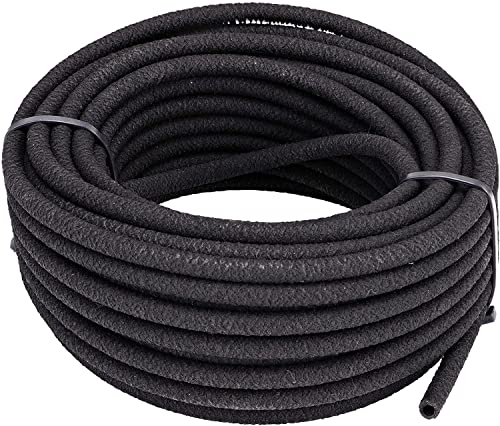
Slowly waters the soil around your plants for complete root zone hydration; Ideal for short runs on flat surfaces, such as vegetable gardens, borders, and around small plants

Higher Cost Performance Provide: enough length soaker hoses to get higher cost performance,and our 1/4 " diameter soaker hose set not only include 100 Ft length soaker hose but also include a rich range of accessories for a variety of uses,help you make custom length soaker hoses cheap & easy.
Watering Strategies
Watering lettuce requires consistency and care.
- Monitor Soil Moisture: Check soil moisture regularly. Stick a finger about an inch into the soil; if it feels dry, it’s time to water.
- Water Early or Late: Water in the early morning or late afternoon to reduce evaporation rates, allowing the plants to absorb moisture before the heat of the day.
- Use Soaker Hoses or Drip Irrigation: Implement soaker hoses or drip irrigation systems for efficient watering that minimizes water waste. These methods deliver water directly to the plant roots.
- Aim for Deep Watering: Water deeply but infrequently. This encourages root growth and helps the plants withstand dry spells. Aim for around 1 inch of water per week, adjusting for rainfall.
Fertilization Best Practices
Fertilization supports robust growth in lettuce throughout its lifecycle.
- Choose a Balanced Fertilizer: Opt for a balanced, all-purpose fertilizer with an NPK ratio of 10-10-10 or similar. This ensures your lettuce receives essential nutrients.
- Fertilize at Planting: Incorporate fertilizer into the soil at planting time. Mix the granules into the top 2-3 inches of soil for even distribution.
- Side-Dress During Growth: Apply a side-dressing of fertilizer about four weeks after planting. Scatter a little around the plants and lightly work it into the soil to encourage continued growth.
- Minimal Chemical Fertilizers: If possible, use organic options such as compost or aged manure. These options improve soil structure and provide nutrients without chemicals.
By following these maintenance tips, your lettuce plants will flourish, offering fresh greens for your kitchen.
Conclusion
Growing your own lettuce in Southern California can be a rewarding experience. By paying attention to the right planting times and choosing the right varieties, you can enjoy fresh greens throughout the year. Remember to prepare your soil well and provide your plants with the care they need.
With a little planning and patience, you’ll be on your way to a bountiful harvest. So grab those seeds and get started on your lettuce-growing journey. You’ll love the taste of homegrown lettuce in your salads and sandwiches. Happy planting!
Frequently Asked Questions
What are the benefits of growing lettuce in Southern California?
Growing lettuce in Southern California offers a mild climate that supports multiple growing seasons. This allows gardeners to enjoy a fresh harvest throughout the year. Understanding the right planting times and varieties can lead to successful lettuce cultivation, providing a nutritious and delicious addition to your diet.
What are cool-season and warm-season lettuce varieties?
Cool-season varieties, like Butterhead, Romaine, and Leaf Lettuce, thrive in temperatures of 60°F to 70°F. Warm-season varieties, such as Crisphead and heat-tolerant Butterhead, prefer temperatures above 55°F. Choosing the right type based on the planting season is essential for successful growth.
When is the best time to plant lettuce in Southern California?
For spring planting, the ideal time is from late February to early April. For fall planting, aim for late August to early October. These windows correspond with favorable soil temperatures and minimize the risk of frost, optimizing your harvest.
How can I prepare my soil for growing lettuce?
Prepare your soil by ensuring it’s well-draining and nutrient-rich, with a pH of 6.0 to 6.8. Test the soil, add organic matter like compost, and use mulch to enhance fertility and moisture retention, creating an ideal environment for lettuce growth.
What maintenance tips can help my lettuce plants thrive?
To maintain healthy lettuce, monitor soil moisture and water deeply, especially during dry periods. Use a balanced fertilizer at planting and consider a side-dressing after four weeks. Incorporating organic options, like compost, can further enhance growth.
