

Have you ever wondered what romaine lettuce looks like when it sprouts? If you’re thinking about growing your own lettuce or just curious about the process, you’re in the right place. Watching seeds transform into vibrant plants can be both fascinating and rewarding.
Key Takeaways
- Romaine Lettuce Sprout Characteristics: They start as pale green shoots, develop a vibrant green hue, and have a smooth, glossy texture with elongated, oval-shaped leaves.
- Height and Shape: Romaine sprouts grow to about 1 to 3 inches tall, with slender stalks and leaves that form a rosette pattern, optimizing sunlight capture as they mature.
- Light Requirements: Successful growth requires 12 to 16 hours of bright, indirect sunlight; indoors, positioning grow lights 2 to 4 inches above the plants is recommended.
- Soil Conditions: Use well-draining soil enriched with organic matter and maintain a pH level between 6.0 and 7.0 to support healthy sprouting.
- Watering Practices: Keep soil consistently moist without overwatering. Water when the top inch of soil dries out, and use mulch to help retain moisture.
- Pest Management: Regularly check for pests, such as aphids, and manage infestations with water sprays or insecticidal soap, while promoting good air circulation to deter pests.
Characteristics of Romaine Lettuce Sprouts
Romaine lettuce sprouts exhibit distinct characteristics that signal their growth stages. By recognizing these traits, you can better monitor your plants’ progress.
Color and Texture
Romaine lettuce sprouts start as tiny, pale green shoots. As they grow, their leaves develop a lush, vibrant green hue. The texture of the leaves is smooth and somewhat glossy. You may notice a slight fuzziness as they grow, which is typical for young leaves. This unique texture helps protect the sprouts while they establish themselves.
Size and Shape
Romaine lettuce sprouts typically measure about 1 to 3 inches in height. Their shape resembles small, slender stalks with delicate, elongated leaves emerging from the center. The leaves are oval-shaped, tapering to a point, and arranged in a rosette pattern as the sprout matures. This shape allows them to capture sunlight efficiently. As they grow, the sprouts become more defined, showcasing the characteristic appearance of mature romaine lettuce plants.
Growing Conditions for Sprouting
Romaine lettuce sprouts thrive under specific growing conditions that ensure healthy development. Focusing on light and soil conditions can lead to successful germination and growth.
Recommended Products
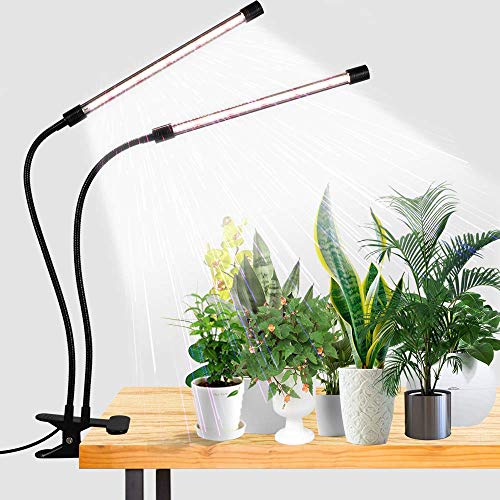
6000K White Light - equipped with 10 Red + 74 White LEDs, this growing Lamp is similar to the full-spectrum sunlight at noon,that is professionally designed for indoor garden plants.Moreover, its color rendering index is as high as 95, the light is soft and flicker-free, which is very suitable for reading lamp

High planting efficiency: Start an indoor herb garden with the Ahopegarden hydroponic growing system, which includes a water reservoir, an overhead LED grow light, and a circulation system that keeps the water fresh. The hydroponic setup and lighting systems allow plants to grow up to faster and healthier in controlled conditions. Simply add plant seeds, water, and nutrients to the reservoir and watch the plants grow

Full Spectrum & Natural Light: A19 full spectrum grow light appears 4000K white to the eye but has a red/blue light spectrum. Same as natural sun shine, perfect for tomatoes, cucumbers, peppers, leafy greens and herbs at all growth stages.
Light Requirements
Romaine lettuce sprouts require ample light to grow strong. Aim for 12 to 16 hours of bright, indirect sunlight daily. If indoors, use grow lights positioned about 2 to 4 inches above the plants. Adjust the height as needed, ensuring sprouts receive consistent light without overheating. Insufficient light can lead to leggy growth and weak plants.
Soil Conditions
Soil plays a crucial role in sprouting romaine lettuce. Use well-draining soil enriched with organic matter. A mixture of potting soil and compost works well, providing essential nutrients. Maintain a pH level between 6.0 and 7.0 for optimal growth. Ensure the soil remains consistently moist but not soggy, as excess water can lead to root rot.
Care and Maintenance
Caring for romaine lettuce sprouts ensures vibrant growth and healthy plants. Focus on watering practices and pest management to keep your sprouts thriving.
Recommended Products

SUPER FINE MIST - Experience a true mist, not just a spray. Our spray bottle’s fine mist is its standout feature. We’ve upgraded the nozzle to deliver a finer, more even mist than other products on the market, ensuring ample coverage. It's perfect for gently hydrating new plants or seeds. Your baby plants will love it!

[ Greeting Card Enclosed ] This elegant plant mister is both an indispensable tool for nurturing indoor greenery and a thoughtful gift for plant lovers. Comes with a customizable greeting card to write your heartfelt wishes – let your love bloom with every spray.

【Ultra Fine Mist】Our mister spray bottle uses a 0.3 mm diameter nozzle, providing ultra-fine water mist, without large water droplets, covering a large area, and providing continuous and stable ultra-fine moisture from the first drop to the last.
Watering Practices
Water your romaine lettuce sprouts consistently to maintain moisture. Aim for soil that feels damp but not soggy. Water when the top inch of soil dries out, typically every few days, depending on your environment. Use a spray bottle or a gentle watering can to avoid displacing seedlings. Consider adding mulch to retain soil moisture and prevent the upper layer from drying out too quickly.
Pest Management
Monitor your sprouts for signs of pests, such as aphids or whiteflies. Inspect the undersides of leaves regularly. If you notice pests, wash them off with a gentle stream of water. For persistent infestations, apply insecticidal soap according to package instructions. Maintaining good air circulation around the plants can also reduce pest problems. Consider introducing beneficial insects, like ladybugs, to your garden for natural pest control.
Conclusion
Watching romaine lettuce sprout is a rewarding experience that brings a touch of nature into your home. From those delicate pale green shoots to the robust leaves that follow it’s a journey filled with growth and transformation.
By providing the right conditions and care you can cultivate vibrant plants that not only look great but also taste delicious. So whether you’re growing them for a salad or just for the joy of gardening enjoy every moment of this beautiful process. Happy gardening!
Frequently Asked Questions
How long does it take for romaine lettuce seeds to sprout?
Romaine lettuce seeds typically sprout within 7 to 14 days under ideal conditions. Factors like temperature, moisture, and light availability can influence the speed of germination.
What kind of light do romaine lettuce sprouts need?
Romaine lettuce sprouts thrive with 12 to 16 hours of bright, indirect sunlight daily. For indoor growing, using grow lights positioned 2 to 4 inches above the plants is recommended.
What type of soil is best for growing romaine lettuce?
A well-draining mixture of potting soil and compost with a pH level between 6.0 and 7.0 is ideal. This ensures adequate nutrition and prevents root rot.
How often should I water romaine lettuce sprouts?
Water the sprouts when the top inch of soil feels dry. The soil should be consistently moist but not soggy. Using a spray bottle can help avoid displacing seedlings.
What pests should I watch for when growing romaine lettuce?
Common pests include aphids and whiteflies. Regularly inspect your plants, and remove pests with water or insecticidal soap if needed.
How can I promote healthy growth in romaine lettuce?
Ensure your sprouts receive sufficient light, keep the soil moist, and maintain good air circulation. Mulching can also help retain moisture and support growth.
