

Have you ever wondered how much calcium you’re getting from your favorite salad greens? Romaine lettuce is often a staple in salads, but many people overlook its nutritional benefits. You might be surprised to learn just how much calcium this crisp green can offer.
In this article, you’ll discover the calcium content in romaine lettuce and why it matters for your health. Whether you’re looking to boost your calcium intake or simply want to make more informed choices about your meals, understanding what’s in your food can help you maintain a balanced diet. Let’s explore the role of romaine lettuce in your nutrition and see how it stacks up against other sources of calcium.
Key Takeaways
- Romaine lettuce contains approximately 33 mg of calcium per 100 grams, contributing about 3% of the daily recommended intake for adults.
- It is low in calories and fat, making it a nutritious addition to salads and other dishes that support a balanced diet.
- While not the highest source of calcium compared to greens like kale and spinach, romaine remains a valuable part of a calcium-rich diet due to its versatility.
- Calcium is crucial for maintaining strong bones, aiding muscle function, and promoting overall wellness.
- Factors such as vitamin D intake and food preparation methods can significantly impact calcium absorption in the body.
- Combining romaine with vitamin D-rich foods and using methods like steaming can enhance its calcium benefits.
Nutritional Overview of Romaine Lettuce
Romaine lettuce offers a range of nutritional benefits, including essential vitamins and minerals. One key component is its calcium content, which supports bone health and various bodily functions.
Macronutrient Composition
Romaine lettuce is low in calories, making it an excellent choice for salads and dishes. Here’s a breakdown of its macronutrient profile per 100 grams:
| Macronutrient | Amount |
|---|---|
| Calories | 15 kcal |
| Protein | 1.2 g |
| Fats | 0.2 g |
| Carbohydrates | 2.9 g |
| Dietary Fiber | 1.2 g |
Romaine’s low calorie and fat content help you maintain a balanced diet while enjoying various flavors. The protein level provides a small contribution, but it complements other sources in your meals.
Micronutrient Profile
Romaine lettuce boasts a wealth of micronutrients beneficial for overall health. Key vitamins and minerals include:
| Micronutrient | Amount per 100g |
|---|---|
| Vitamin A | 8716 IU |
| Vitamin K | 102.5 µg |
| Calcium | 33 mg |
| Iron | 0.7 mg |
| Folate | 136 µg |
Vitamin A enhances vision and immune function, while vitamin K plays a critical role in blood clotting. Calcium, though modest in quantity, contributes to your daily intake, alongside iron and folate for energy production and cell health. Incorporating romaine into your diet supports a diverse nutritional profile.
Calcium Content in Romaine Lettuce
Romaine lettuce contains a notable amount of calcium, contributing to your daily nutritional needs. Understanding the specific calcium levels can help you incorporate it effectively into your diet.
Recommended Products

RAW PLANT-BASED CALCIUM: Four capsules provide 1100mg of AlgaeCal RAW, an organic plant-based calcium rich in trace minerals to support bone health, skeletal strength, and overall wellness*
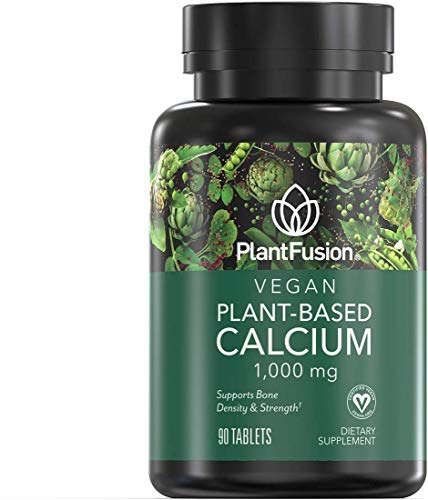
PLANT BASED CALCIUM MAGNESIUM: We start with a scientifically validated and trademarked source of calcium/magnesium concentrated to 1000mg per serving. We then add plant based vitamins D3 and K2 for calcium assimilation and critical trace minerals like strontium and boron which help form the bone matrix. Altogether more than a dozen different supplements in one. We call this the ultimate Fusion for bone health!
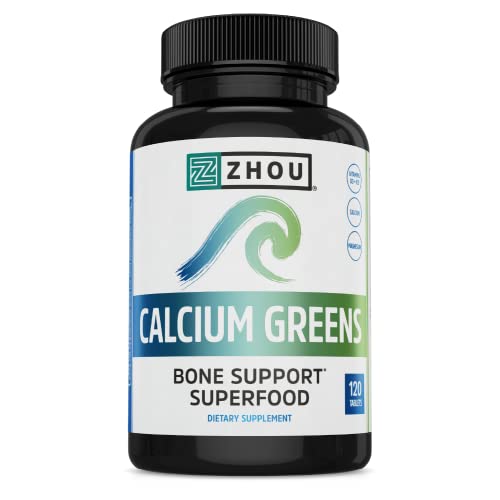
STRONG BONES - Zhou Calcium Greens delivers 1,300 mg of calcium from algae to help support strong, healthy teeth and bones for women and men, paired with magnesium for added support
Analysis of Calcium Levels
Romaine lettuce provides approximately 33 mg of calcium per 100 grams. This amount represents 3% of the daily recommended intake for adults, making it a decent source of calcium, especially when consumed regularly. Calcium from romaine lettuce supports bones, teeth, and muscle function. The relatively low calorie count and high water content of romaine make it a beneficial addition to salads, smoothies, and wraps.
Comparison With Other Greens
Comparing calcium levels in greens highlights romaine’s position among common vegetables. Here’s a table showcasing calcium content in various leafy greens:
| Leafy Green | Calcium Content (mg per 100g) |
|---|---|
| Romaine Lettuce | 33 |
| Kale | 150 |
| Spinach | 99 |
| Swiss Chard | 51 |
| Collard Greens | 141 |
Kale ranks as the highest calcium source among these greens, while spinach offers a significant amount. While romaine lettuce contains less calcium than these options, it remains a valuable component of a balanced diet, especially due to its versatility and low calorie count.
Health Benefits of Calcium
Calcium plays a vital role in maintaining health, especially for bone structure and overall bodily function. Understanding its benefits helps you make informed dietary choices.
Recommended Products

SUPPORTS BONE AND NEUROMUSCULAR HEALTH (1): Providing 1200 mg of Calcium per serving, this Calcium supplement supports bones and neuromuscular health (1)

200 count bottle of Caltrate 600 Plus D3 600 mg Calcium and Vitamin D Supplement Tablets

Plant-Based Calcium: Featuring the most-studied form of plant calcium, backed by 27 clinical studies, New Chapter Bone Strength Take Care features calcium derived from organic red marine algae
Importance for Bone Health
Calcium is essential for building and maintaining strong bones. Consuming adequate calcium helps prevent bone density loss as you age. Research shows that a balanced intake reduces the risk of osteoporosis, a condition characterized by weak and brittle bones. You can obtain calcium from various sources, including foods like romaine lettuce. Incorporating romaine into meals supports calcium intake, which in turn promotes better bone health.
Role in Overall Wellness
Calcium contributes to several other bodily functions beyond bone health. It aids in muscle contraction, assisting your body in movement. Calcium also plays a role in nerve function, helping transmit signals effectively. Furthermore, it supports heart health by regulating heartbeats. Including calcium-rich foods, such as romaine lettuce, ensures your body functions properly. Aim to integrate other sources, like dairy or fortified alternatives, to meet your calcium needs.
Factors Affecting Calcium Absorption
Calcium absorption can vary based on several factors, including dietary components and food preparation methods.
Influence of Dietary Components
Certain nutrients can enhance or hinder calcium absorption.
- Vitamin D: Boosts calcium absorption in the intestines. Foods high in vitamin D include fortified milk and fatty fish.
- Oxalates: Substances found in foods like spinach and tea that can inhibit calcium absorption. Limiting these foods can improve calcium uptake.
- Phytates: Present in whole grains and legumes, these can also reduce calcium absorption. Soaking or fermenting such foods can minimize their phytate content.
- Protein: Adequate protein helps with calcium absorption, though excessive amounts may lead to calcium loss through urine. Balance is key.
By pairing calcium-rich foods like romaine with ingredients high in vitamin D and low in oxalates or phytates, you can enhance your body’s ability to absorb calcium effectively.
Impact of Preparation Methods
How you prepare your food can influence calcium levels.
- Cooking: Boiling vegetables can cause some calcium to leach into the water. Steaming or sautéing romaine retains more nutrients.
- Fermentation: This method can enhance calcium availability in foods like sauerkraut or kimchi. Consider adding fermented foods to your meals for additional health benefits.
- Cooking with Acids: Using vinegar or lemon juice can increase calcium absorption. Try adding these to dressings for your romaine salads.
- Blending: In smoothies, blending romaine with yogurt or fortified almond milk can provide additional calcium.
By being mindful of how you prepare your food, you can maximize calcium absorption from romaine lettuce and other sources.
Conclusion
Romaine lettuce is a tasty and nutritious way to boost your calcium intake. With about 33 mg of calcium per 100 grams it may not be the highest source but it definitely adds value to your meals.
By incorporating romaine into your salads wraps or smoothies you’re not only enjoying a refreshing crunch but also supporting your bone health and overall well-being. Remember to pair it with other calcium-rich foods and consider your cooking methods to maximize nutrient absorption.
Making small changes to your diet can lead to significant health benefits so enjoy that crisp romaine and keep your body happy!
Frequently Asked Questions
What are the main nutritional benefits of romaine lettuce?
Romaine lettuce is low in calories and high in water, making it a great addition to salads, smoothies, and wraps. It contains approximately 33 mg of calcium per 100 grams, which supports bone health and contributes to muscle function. Additionally, it provides essential vitamins like Vitamin A and K, along with dietary fiber.
How much calcium is in romaine lettuce?
Romaine lettuce contains about 33 mg of calcium per 100 grams. This amounts to roughly 3% of the daily recommended intake for adults, making it a helpful source of calcium when consumed regularly.
How does calcium from romaine lettuce compare to other leafy greens?
While romaine lettuce has less calcium than kale, spinach, Swiss chard, and collard greens, it still offers valuable nutrients and supports a balanced diet. Its low calorie content and versatility make it a beneficial addition to meals.
Why is calcium important for health?
Calcium plays a vital role in maintaining strong bones and overall bodily functions. It is crucial for muscle contraction, nerve function, and heart health. Adequate calcium intake helps prevent bone density loss and reduces the risk of osteoporosis as you age.
What factors affect calcium absorption from romaine lettuce?
Calcium absorption can be impacted by various dietary components. Vitamin D enhances absorption, while oxalates and phytates present in some foods can inhibit it. Pairing romaine with Vitamin D-rich foods can improve calcium uptake.
What is the best way to prepare romaine lettuce for maximum calcium intake?
To retain nutrients in romaine lettuce, it’s best to steam or sauté it instead of boiling. Incorporating fermented foods or using cooking methods with acids can also enhance calcium availability, making it easier for your body to absorb.
How can I increase my calcium intake along with romaine lettuce?
To boost your calcium intake, complement romaine lettuce with other calcium-rich foods such as dairy products, fortified plant-based alternatives, and other leafy greens. This approach ensures you meet your daily calcium needs effectively.
