

Have you ever wondered how much a head of romaine lettuce weighs? Whether you’re whipping up a fresh salad or planning a grocery trip, knowing the weight can make a difference. It’s a common question that often goes overlooked, but understanding this simple detail can help you make better choices in the kitchen.
Key Takeaways
- Weight Range: A head of romaine lettuce typically weighs between 1 to 2 pounds, with smaller heads around 1 pound and larger ones up to 2 pounds.
- Nutritional Benefits: Romaine lettuce is low in calories (about 15 calories per cup) and rich in vitamins A, C, and K, along with folate and fiber.
- Culinary Versatility: Romaine is ideal for salads, wraps, and grilling, retaining its texture and flavor across various dishes.
- Choosing Freshness: Look for vibrant, crisp leaves and avoid wilted or browned heads when selecting romaine lettuce to ensure quality.
- Storage Tips: To maintain freshness, wrap romaine in a damp paper towel and store it in the refrigerator, where it can last up to a week.
- Weighing for Nutrition: Understanding the weight of romaine helps in planning serving sizes and ensures you get the right nutrients in your meals.
Overview Of Romaine Lettuce
Romaine lettuce, also known as Cos lettuce, features tall, sturdy leaves and a crisp texture. This leafy green is a popular choice for salads, sandwiches, and wraps. Each head of romaine typically weighs between 1 to 2 pounds.
Recommended Products

Digital kitchen scale with food-safe, BPA-free plastic components

VINTAGE PRECISION & BATTERY-FREE USE: This classic mechanical scale utilizes a robust spring mechanism to deliver consistent weight measurements without ever needing batteries or charging, ensuring your kitchen is always ready for baking or meal prep tasks.
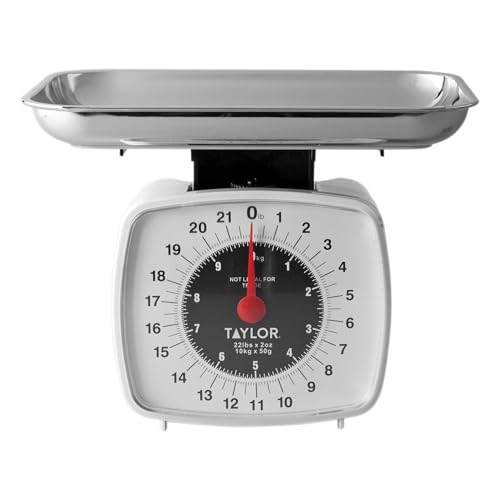
EASY TARE: Use the black TARE knob at the top of the scale to zero out the weight of the tray or use after each ingredient to clear the weight before adding another.
Nutritional Benefits
Romaine lettuce provides several nutritional benefits. It’s low in calories, averaging about 15 calories per cup. You’ll find vitamins A, C, and K in significant amounts. Folate and fiber also contribute to a balanced diet, making it a smart choice for health-conscious individuals.
Culinary Uses
Romaine lettuce excels in various dishes. Toss it in Caesar salads or use it to make fresh wraps. You can also grill or roast romaine for a unique flavor profile. Its sturdy leaves hold up well to dressings and toppings without wilting.
Choosing and Storing
Choosing a quality head of romaine involves inspecting the leaves. Look for vibrant green color and avoid wilting or browning. Store your romaine in the refrigerator, ideally wrapped in a damp paper towel inside a plastic bag. This method keeps it fresh for up to a week.
Weighing Romaine Lettuce
Weighing a head of romaine is straightforward. If you’re in a grocery store, you can use the produce scales provided. At home, a kitchen scale offers an accurate reading. Knowing its weight helps you plan serving sizes and nutrition better.
Being informed about romaine lettuce enhances your cooking experience and ensures you make the most of this nutritious vegetable.
Factors Influencing Weight
Several factors contribute to the weight of a head of romaine lettuce. Understanding these elements helps you determine more precise measurements when preparing meals or shopping.
Size Variations
Size directly affects weight. Heads of romaine lettuce come in various sizes. Smaller heads might weigh around 1 pound, while larger ones can reach up to 2 pounds. When choosing lettuce, consider selecting heads that match your recipe requirements or serving sizes.
Freshness and Moisture Content
Freshness plays a significant role in weight. Recently harvested lettuce retains more moisture, leading to increased weight. Conversely, lettuce that has been stored for a longer period may lose moisture, resulting in a lighter head. Look for crisp leaves and firm stems to ensure freshness, which can also enhance the overall texture and taste in dishes.
Average Weight Of A Head Of Romaine Lettuce
A head of romaine lettuce typically weighs between 1 to 2 pounds. Understanding this weight range is crucial for meal planning and grocery shopping.
Typical Weight Range
The typical weight range for romaine lettuce falls between 1 pound (approximately 450 grams) and 2 pounds (approximately 900 grams). Smaller heads generally weigh around 1 pound, while larger heads can reach up to 2 pounds. When choosing romaine, consider your recipe requirements. For example, a salad serving for four may require a 1.5-pound head.
Comparison With Other Lettuce Varieties
Romaine lettuce differs in weight compared to other varieties.
- Iceberg Lettuce: Usually weighs between 1 to 3 pounds, with a denser structure.
- Butterhead Lettuce: Typically falls in the 0.5 to 1.5 pounds range, offering a lighter choice.
- Frisée Lettuce: Weighs around 0.5 to 1 pound, with a much looser texture.
Choose romaine for its sturdiness, especially in salads that require robust greens. This understanding of weight differences helps in selecting the right lettuce for your dish.
Culinary Uses And Recommendations
Romaine lettuce offers versatility in numerous culinary applications. You can use it in salads, sandwiches, wraps, and grilled dishes, taking advantage of its robust leaves and crisp texture.
Recommended Products

Brought to you by Whole Foods Market

Selected and stored fresh

Romaine lettuce is low in carbohydrates, sugar, and fiber
Recommended Uses
- Salads: Romaine is a key ingredient in Caesar salads. Its sturdiness withstands creamy dressings without wilting, making each bite satisfying.
- Wraps: Use romaine leaves as a low-carb alternative to tortillas. Fill them with grilled chicken, veggies, and your choice of sauce for a healthy, portable meal.
- Grilling: Grilled romaine adds a smoky flavor to your dishes. Cut the head in half lengthwise, brush with oil, and grill for 2 to 3 minutes until charred.
Preparation Tips
- Washing: Rinse the leaves thoroughly to remove any dirt or pesticides. After washing, dry them completely to prevent sogginess in your dishes.
- Storage: Store romaine in a refrigerator. Wrap it in a damp paper towel and place it in a perforated plastic bag to retain moisture and crispness.
Nutritional Boost
Incorporate romaine into meals for added nutrients. With a weight range of 1 to 2 pounds per head, you’re assured of plenty of high-fiber and vitamin-rich servings. Consider using it in smoothies or juicing along with other vegetables for a nutritional punch.
Serving Suggestions
For optimal serving size, plan on 1 to 2 cups of chopped romaine per person when serving salads. This ensures everyone enjoys the crisp texture and stays satisfied.
By leveraging these culinary uses and recommendations, you enhance meals while promoting a healthy lifestyle through the inclusion of romaine lettuce.
Conclusion
Knowing the weight of a head of romaine lettuce can really make a difference in your kitchen adventures. Whether you’re whipping up a fresh salad or planning a meal, this simple detail helps you choose the right amount for your recipes.
With its crisp texture and nutritional benefits, romaine is a fantastic addition to your meals. Remember to look for vibrant leaves and store them properly to keep that freshness intact.
So next time you’re at the store or prepping a dish, keep that weight in mind. It’ll not only enhance your cooking experience but also help you enjoy all the delicious meals you create. Happy cooking!
Frequently Asked Questions
What is the average weight of a head of romaine lettuce?
The average weight of a head of romaine lettuce typically ranges from 1 to 2 pounds. Smaller heads usually weigh around 1 pound, while larger ones can reach up to 2 pounds.
Why is knowing the weight of romaine lettuce important?
Knowing the weight of romaine lettuce can help you make better decisions in the kitchen, especially when preparing salads or planning grocery trips. It ensures you buy the right amount needed for your recipes.
What are the nutritional benefits of romaine lettuce?
Romaine lettuce is low in calories and high in essential vitamins like A, C, and K. It also provides important nutrients such as folate and fiber, contributing to a healthy diet.
How should romaine lettuce be stored?
To store romaine lettuce, keep it in the refrigerator, preferably in the crisper drawer. Make sure the leaves are dry, and store them in a produce bag to maintain freshness.
Can romaine lettuce be used in recipes other than salads?
Yes, romaine lettuce is quite versatile! It can be used in sandwiches, wraps, grilled dishes, and even blended into smoothies or juices for a nutritional boost.
How does romaine lettuce compare to other lettuce types?
Romaine lettuce is sturdier than many other types. For comparison, iceberg typically weighs 1 to 3 pounds, butterhead ranges from 0.5 to 1.5 pounds, and frisée weighs about 0.5 to 1 pound.
What should I look for when choosing romaine lettuce?
When choosing romaine lettuce, look for heads with vibrant, crisp leaves and avoid any that appear wilted or discolored. Freshness is key for the best taste and texture!
