

Have you ever wished you could enjoy fresh, crisp lettuce right from your own garden? Growing your own lettuce is not only satisfying but also a great way to enhance your meals with vibrant flavors. Whether you have a spacious backyard or just a small balcony, you can easily cultivate this nutritious green.
Key Takeaways
- Lettuce Varieties: Familiarize yourself with different types of lettuce, such as leaf lettuce and romaine, to choose the best fit for your garden and culinary needs.
- Optimal Growing Conditions: Select a location with 6 hours of sunlight and well-draining soil with a pH of 6.0 to 7.0 to promote healthy growth.
- Planting Techniques: Use proper spacing (8 to 12 inches apart) and watering practices to ensure your lettuce has room to thrive and develop strong roots.
- Consistent Care: Monitor soil moisture, apply balanced fertilizer every 3-4 weeks, and manage pests to keep your lettuce healthy and productive.
- Harvest Timing: Harvest leaf lettuce at 6 to 12 inches, ideally in the morning, and cut outer leaves to encourage continual growth.
Understanding Lettuce Varieties
Lettuce comes in various types, each with distinct flavors and textures. Knowing these varieties helps you choose the right one for your garden and meals.
Leaf Lettuce
Leaf lettuce has loose, tender leaves that grow in an open form. Varieties like Butterhead and Looseleaf provide delicate flavors. Leaf lettuce is quick to mature, often ready for harvest in 30 to 45 days.
- Leaf lettuce thrives in cool weather, so you can plant it in early spring or fall.
- Regularly harvesting the outer leaves encourages more growth.
- Space plants about 6 to 12 inches apart for good air circulation.
Romaine Lettuce
Romaine lettuce features tall, sturdy heads and crisp leaves. Common types include Dark Green and Cos. This variety typically takes 70 to 80 days to mature.
- Romaine is ideal for salads and adds crunch to sandwiches.
- Plant seeds in well-draining soil, spaced 12 to 18 inches apart.
- Water deeply to keep soil moist, especially during warm weather.
Understanding these lettuce varieties aids in growing fresh produce tailored to your culinary needs.
Preparing to Grow Live Lettuce
Preparing to grow live lettuce involves selecting the right location and ensuring proper soil conditions. These steps set you up for successful growth and vibrant lettuce leaves.
Recommended Products

Kindly NOTE: This soil tester can not be applied to test pH value of any other liquid. If the soil is too dry the indicator will not move, and water it before testing.

READY-TO-USE! IndiCanja is a water-only super soil containing everything needed to take your plant from seedling to harvest

Quick, at home results for Soil pH, Nitrogen, Phosphorous and Potash Innovative and inexpensive soil test kit features an easy-to-use capsule system and patented color comparators
Selecting the Right Location
Choose a spot that gets at least 6 hours of sunlight daily to maximize growth. Look for areas sheltered from strong winds. If you’re planting in containers, consider placing them on patios or balconies with ample sunlight. Monitor the temperature; lettuce thrives in cooler climates, ideally between 60°F and 70°F. If you’re planting during hotter months, select a location that provides some afternoon shade to prevent bolting.
Soil Requirements
Use well-draining soil to promote healthy root development. A soil pH of 6.0 to 7.0 is ideal for lettuce. You can enrich your soil with compost to improve nutrient content. Start with a clean planting area, free of weeds and debris. If using garden beds, till the soil to a depth of about 12 inches. For container gardening, select pots with drainage holes and fill them with a quality potting mix designed for vegetables. Regularly check moisture levels, keeping the soil consistently moist but not waterlogged.
Planting Live Lettuce
Planting live lettuce requires attention to detail and careful choices. Whether you opt for seeds or seedlings, each method has its benefits.
Seeds vs. Seedlings
Seeds offer a variety of lettuce types and are often more economical. You can choose from numerous cultivars based on your flavor preferences. Simple steps for planting include:
- Prepare the soil: Loosen the top 12 inches of soil and mix in compost to enrich it.
- Sow seeds: Scatter seeds on the soil surface, then cover lightly with about 1/4 inch of soil.
- Water gently: Use a fine spray to avoid washing the seeds away.
Seedlings provide a head start, which is ideal for busy gardeners. They establish more quickly in your garden. For planting seedlings, follow these steps:
- Choose healthy seedlings: Look for robust plants with no signs of disease.
- Dig holes: Create holes twice the size of the seedling’s root ball.
- Set seedlings: Place them in the holes, backfill with soil, and ensure the base of the plant sits even with the surrounding soil.
Planting Techniques
Employing the right techniques ensures optimal growth. Utilize these methods for success:
- Spacing: Space seeds or seedlings 8 to 12 inches apart for adequate air circulation.
- Watering: Water daily for the first week to establish roots, then gradually reduce frequency but maintain consistent moisture in the soil.
- Mulching: Apply a layer of mulch to retain soil moisture and suppress weeds.
Make adjustments based on your garden’s climate and condition. Monitor growth regularly to ensure your lettuce thrives.
Caring for Your Lettuce
Caring for your lettuce involves regular attention to watering, fertilization, and pest management. Following these practices ensures healthy, thriving plants.
Recommended Products

12+ LEAVES - You will receive plants with a combined total of 12 leaves or more (see 2nd pic for approximate size).
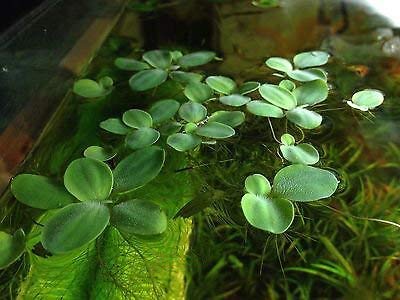
12 Dwarf Water Lettuce, Pistia stratiotes, Live Aquarium/Floating/Aquatic Plant

INDOOR PLANT: Bubblegum brings you the answer to your gardening problems. Trying to balance your professional and plant parent lifestyles? Watering your houseplants couldn’t be easier with the Mini Plant Life Support houseplant drip feeder. Complete your gardening set or terrarium kit with this life support drip.
Watering Practices
Water your lettuce consistently to keep the soil moist but not soggy. Aim for about 1 to 1.5 inches of water weekly. Use the finger test; if the top inch of soil feels dry, it’s time to water. Early morning is the best time to water, allowing leaves to dry by evening, which helps prevent disease. Consider using a drip irrigation system for even moisture distribution, especially if you have a larger garden.
Fertilization Tips
Fertilize your lettuce every 3 to 4 weeks during the growing season. Use a balanced, water-soluble fertilizer with equal parts nitrogen, phosphorus, and potassium, like a 10-10-10 mix. Apply according to the package instructions to avoid over-fertilizing, which can lead to leafy growth at the expense of flavor. Incorporating compost into the soil at planting reinforces nutrient levels and promotes health.
Pest and Disease Management
Monitor your lettuce regularly for pests like aphids or slugs. Introduce beneficial insects, such as ladybugs, that naturally control aphid populations. If you notice a significant infestation, use insecticidal soap as a safe treatment. Keep an eye out for diseases like downy mildew. Ensure good airflow by spacing plants properly and harvesting mature lettuce promptly to prevent overcrowding. Rotate crops yearly to minimize disease buildup in the soil.
Harvesting Live Lettuce
Harvesting live lettuce involves precise timing and technique to ensure optimal freshness and flavor. Follow these guidelines for a successful harvest.
When to Harvest
Harvest live lettuce when the leaves reach a usable size, typically between 6 to 12 inches. For Leaf Lettuce, this size can be achieved in about 30 to 45 days after planting. Romaine Lettuce requires approximately 70 to 75 days. Harvesting in the morning, when the leaves are crisp and moist, enhances the taste. Keep an eye out for any signs of bolting, such as tall flower stalks; this indicates the lettuce is past its prime.
How to Harvest Properly
To harvest live lettuce, gently pull or cut the outer leaves first, using garden scissors or shears. Leave the inner leaves intact for continued growth. Cut leaves about 1 inch above the soil line to encourage regrowth. If you prefer a whole head, use a sharp knife to sever the stem at the base. After harvesting, rinse the leaves in cool water and store them in a breathable container in the refrigerator. This method keeps your lettuce fresh for a longer duration.
With proper care during harvesting, you’ll enjoy fresh, crisp lettuce that enhances your meals.
Conclusion
Growing live lettuce at home is a rewarding experience that brings fresh flavors to your meals. With just a little attention to location and care you’ll be enjoying crisp leaves in no time. Remember to harvest wisely to encourage regrowth and keep your lettuce thriving.
Storing your freshly picked lettuce properly will ensure it stays delicious and ready to use. So grab your gardening tools and start your lettuce journey today. You’ll love the taste and satisfaction of homegrown greens!
Frequently Asked Questions
What are the benefits of growing lettuce at home?
Growing lettuce at home offers fresh, nutritious greens that taste better than store-bought options. It’s cost-effective, encourages gardening skills, and provides a sustainable food source. Plus, homegrown lettuce is free from pesticides and other chemicals.
What are the best types of lettuce to grow at home?
Leaf Lettuce and Romaine Lettuce are two of the best varieties for home gardening. Leaf Lettuce is easy to grow and matures quickly, while Romaine Lettuce offers a crunchy texture and is also versatile in the kitchen.
How should I choose the right location for planting lettuce?
Select a location that receives at least 4-6 hours of sunlight daily. Ensure the area is sheltered from strong winds and has well-draining soil to prevent root rot, making it ideal for healthy lettuce growth.
What soil conditions are ideal for growing lettuce?
Lettuce thrives in loose, well-draining soil rich in organic matter. A pH level between 6.0 and 7.0 is optimal. Consider using compost or aged manure to enhance soil fertility and structure.
How do I know when to harvest my lettuce?
Harvest lettuce when the outer leaves reach a usable size, typically within 30-60 days for Leaf Lettuce and 70-80 days for Romaine Lettuce. Timing is crucial for the best flavor and texture.
What is the proper technique for harvesting lettuce?
Cut outer leaves first and leave the inner leaves intact to encourage regrowth. Using clean, sharp scissors will ensure a clean cut, promoting the plant’s health and maximizing future harvests.
How should I store harvested lettuce?
Store harvested lettuce in a breathable container, like a paper bag or a perforated plastic bag, in the refrigerator. This method keeps the leaves fresh and crisp for longer periods, enhancing your meals.
