

Ever thought about growing your own lettuce? Imagine stepping into your backyard and picking fresh, crisp leaves for your salad. It’s not just a dream; you can make it a reality with a little know-how.
Growing lettuce outdoors is a fantastic way to enjoy fresh produce while adding some greenery to your space. But if you’ve tried before and faced challenges, you’re not alone. Many gardeners struggle with timing, soil, and pests.
Don’t worry! This article will guide you through the simple steps to successfully grow lettuce outdoors. You’ll learn tips that make the process easier and more enjoyable, ensuring you can savor your homegrown harvest in no time.
Key Takeaways
- Variety Selection: Understand the main types of lettuce—Leaf, Romaine, and Butterhead—to choose the best fit for your taste and growing conditions.
- Optimal Planting Conditions: Ensure proper location with full sun, good air circulation, and well-prepared soil; lettuce thrives in slightly acidic to neutral soil (pH 6.0 to 7.0).
- Timing is Key: Plant lettuce seeds in early spring or fall, and consider starting them indoors 4-6 weeks before the last frost for a successful harvest.
- Consistent Care: Maintain moist soil by watering regularly (1-1.5 inches weekly) and actively monitor for pests to protect your plants.
- Harvesting Techniques: Recognize signs of readiness such as size, color, and texture, and use proper cutting techniques to prolong the lifespan of your harvest.
Understanding Lettuce Varieties
Lettuce comes in several varieties, each offering unique flavors and textures. Knowing the differences helps you select the best types for your outdoor garden.
Recommended Products

🥬 Winter Density Lettuce: 65 days until Maturity. Latin Name: Lactuca sativa. Open Pollinated. The plant produces heavy yields of dark green romaine lettuce. Leaves are tightly folded and have a delicious sweet flavor. Lettuce retains its crisp sweetness best when harvested in the morning.
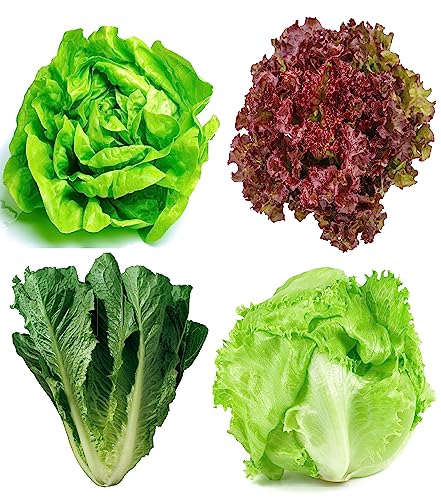
🌿 4 Distinct Heirloom Varieties Includes Iceberg, Buttercrunch, Romaine & Lollo Rosso for a complete salad garden with diverse textures, colors & flavors.

PERFECT FOR ALL GARDENERS – Beginner-friendly and a favorite among experienced growers; ideal for backyard gardens, raised beds, hydroponics, and even indoor containers.
Leaf Lettuce
Leaf lettuce varieties are known for their loose, leafy structure. They’re quick to grow and thrive in cooler temperatures. Common types include Green Leaf and Red Leaf.
- Planting Time: Start seeds indoors about 4 to 6 weeks before the last frost date or sow directly in the garden as soon as the soil is workable.
- Growing Conditions: These lettuces prefer partial shade and moist, well-drained soil rich in organic matter.
Romaine Lettuce
Romaine lettuce is recognized for its sturdy leaves and crunchy texture. It holds up well in salads and sandwiches, providing a crisp bite.
- Planting Time: Sow seeds outdoors as early as 3 to 4 weeks before the last expected frost. Transplant seedlings if starting indoors.
- Growing Conditions: Romaine thrives in full sun and needs consistent watering to maintain its crunchiness.
Butterhead Lettuce
Butterhead lettuce features tender, buttery leaves that form loose heads. Varieties like Boston and Bibb are popular for their sweetness and rich flavor.
- Planting Time: Plant seeds directly into the garden in early spring. You can also sow in late summer for a fall harvest.
- Growing Conditions: Butterhead lettuces enjoy well-drained soil with regular moisture. They prefer cooler temperatures, so timing is vital.
By exploring these varieties, you can choose the types that best fit your taste and garden conditions, ensuring a successful lettuce harvest.
Preparing Your Garden
Preparing your garden is crucial for growing healthy lettuce outdoors. Focus on choosing the right location and preparing your soil to create an ideal environment for your plants.
Recommended Products

Kindly NOTE: This soil tester can not be applied to test pH value of any other liquid. If the soil is too dry the indicator will not move, and water it before testing.

Quick, at home results for Soil pH, Nitrogen, Phosphorous and Potash Innovative and inexpensive soil test kit features an easy-to-use capsule system and patented color comparators

KNOW BEFORE YOU GROW | Grow the healthiest, sustainable lawn and garden with the most accurate and easy to use professional soil test kit on the market
Choosing the Right Location
Select a spot with full sun exposure. Lettuce thrives with at least 6 to 8 hours of sunlight daily, promoting healthy growth. Avoid areas with heavy tree shade or large structures casting shadows.
Ensure good air circulation. Planting in an area with proper airflow reduces the risk of fungal diseases and helps maintain cooler temperatures, especially in warmer months.
Consider accessibility. Choose a location that makes it easy for you to water and harvest the lettuce. Proximity to a water source can save time and effort.
Soil Preparation
Test your garden soil for pH and nutrient levels. Lettuce prefers slightly acidic to neutral soil with a pH of 6.0 to 7.0. Kits for testing can be found at most garden centers.
Amend soil as necessary. Incorporate organic matter like compost or well-aged manure. Aim for a mix of about 30% organic matter to enhance fertility and improve drainage.
Loosen the soil. Use a shovel or garden fork to break up compacted layers, ensuring roots can grow freely. Work to a depth of at least 12 inches.
Level the soil surface. Rake the area to create a smooth seedbed. Remove debris, stones, or weeds to reduce competition as your lettuce plants grow.
Follow these steps to ensure a thriving garden bed for your lettuce. An optimal location combined with well-prepared soil promotes strong growth and a bountiful harvest.
Planting Lettuce Seeds
Planting lettuce seeds requires careful attention to timing, depth, and spacing to ensure healthy growth. Here’s how to get started successfully.
Recommended Products
Healthy Food Source: Because of its tender flavor, lettuce is a popular vegetable for salad, sandwiches, wraps, soups, stir-fries and juice. There are over 20,000 seeds, 10 kinds of lettuce collection, including bibb, boston, iceberg, buttercrunch, grand rapids TBR, oakleaf, ruby leaf, cimmaron romaine and waldmann's
DELICIOUS TRUSTED VARIETY - Popular leafy lettuce seed used by gardeners for years.

Beautiful - Large, premium packet of a blend of heirloom Lettuce seeds (Latuca sativa). This surprising mix of pretty and colorful lettuces will be a welcome addition to your garden in early spring and fall. Minimum of 600 mg per packet (about 650 seeds).
Optimal Planting Times
Plant lettuce seeds in early spring or fall for the best results. Start seeds indoors about 4-6 weeks before the last expected frost. If planting directly outdoors, wait until the soil temperature reaches 45°F (7°C). For a continuous harvest, sow seeds every 2-3 weeks. In warmer climates, consider a fall planting to avoid the intense summer heat. For example, in USDA Hardiness Zones 8-10, plant seeds from September to February for optimal growth.
Seed Depth and Spacing
Plant lettuce seeds at a depth of 1/4 to 1/2 inch (6 to 12 mm). Shallow planting promotes quicker germination. Space seeds 1 to 2 inches (2.5 to 5 cm) apart. If you’re planting multiple rows, keep rows 12 to 18 inches (30 to 45 cm) apart. Thin seedlings to 6 to 12 inches (15 to 30 cm) apart once they develop true leaves. This spacing encourages airflow and prevents overcrowding, leading to healthier plants.
Caring for Lettuce Plants
Caring for lettuce plants involves understanding their specific needs to promote healthy growth. Focus on watering and pest control to achieve a successful harvest.
Watering Requirements
Water lettuce consistently to maintain moist soil. Aim for about 1 to 1.5 inches of water weekly, either from rainfall or irrigation. Check the soil about an inch deep; if it’s dry, water thoroughly. Water in the morning or late afternoon to reduce evaporation. During hot weather, increase frequency, as lettuce can wilt quickly.
Pest Control Methods
Pest control plays a crucial role in safeguarding your lettuce. Monitor plants regularly for pests like aphids, slugs, and caterpillars. Use row covers to protect seedlings and provide a physical barrier. For aphids, introduce beneficial insects like ladybugs or spray with insecticidal soap. Trap slugs using beer-filled containers, which attract and drown them. Always read pesticide labels to ensure they’re safe and appropriate for lettuce.
Harvesting Lettuce
Harvesting lettuce requires attention and timing for optimal results. Knowing when and how to harvest ensures fresh, crisp leaves for your salads.
Signs of Readiness
Look for these signs to determine if your lettuce is ready for harvest:
- Size: Leafy varieties, like romaine, reach about 6–8 inches tall, while head lettuce should form a firm, tight head.
- Color: Vibrant green leaves indicate health, signaling it’s time to harvest.
- Texture: Crunchy leaves signal maturity. Soft or wilted leaves indicate overripeness.
Proper Harvesting Techniques
Follow these techniques for an effective harvest:
- Cutting: Use a sharp knife or scissors to cut leaves about an inch above the soil line. This method preserves the root system for potential regrowth.
- Timing: Harvest early in the morning or late afternoon to reduce stress on the plants. This helps retain moisture in the leaves.
- Storage: Store harvested lettuce in a cool, dark place. Wrap leaves in a damp paper towel and place them in a plastic bag to extend freshness.
By observing signs of readiness and employing proper harvesting techniques, you’ll enjoy a bountiful and flavorful lettuce crop.
Conclusion
Growing lettuce outdoors can be a rewarding experience that brings fresh flavors to your meals. By following the right practices and paying attention to your plants’ needs you can enjoy a plentiful harvest.
Stay vigilant with watering and pest control to keep your lettuce thriving. When it’s time to harvest remember that timing is everything. With a little care and patience you’ll be able to savor the fruits of your labor.
So grab your gardening tools and get started on your lettuce-growing adventure. You won’t regret it!
Frequently Asked Questions
What are the benefits of growing lettuce outdoors?
Growing lettuce outdoors offers ample space, natural sunlight, and fresh air, all of which contribute to healthy growth. Outdoor gardening allows for diverse lettuce varieties and can yield a higher harvest compared to indoor gardening. Additionally, it fosters a stronger connection to nature and provides fresh produce right at your doorstep.
What are the essential steps for starting a lettuce garden?
To start a lettuce garden, prepare the soil by ensuring it’s well-drained and rich in organic matter. Choose your preferred lettuce varieties and plant the seeds at the optimal depth, usually about 1/4 to 1/2 inch deep. Space the seeds appropriately, and thin them later to prevent overcrowding and promote healthy growth.
How often should I water my lettuce plants?
Lettuce requires consistent moisture for optimal growth. Water your plants regularly, checking soil moisture levels frequently. During hot weather, you may need to increase the watering frequency to keep the soil evenly moist, aiming for about 1 inch of water per week, either from rainfall or irrigation.
What pests should I look out for when growing lettuce?
Common pests that affect lettuce include aphids, slugs, and caterpillars. Regular monitoring can help detect any infestations early. Utilize methods such as row covers, introducing beneficial insects like ladybugs, and setting up traps to protect your lettuce plants effectively against these pests.
How do I know when it’s the right time to harvest lettuce?
The right time to harvest lettuce is when the leaves reach a desirable size and exhibit a vibrant color and texture. Look for signs of maturity, such as firm leave heads or the right leaf width, depending on the variety. Harvest in the early morning for the best flavor and freshness.
What is the best way to store freshly harvested lettuce?
To store freshly harvested lettuce, gently wash the leaves and ensure they are completely dry. Place them in an airtight container lined with a paper towel to absorb moisture. Store in the fridge’s crisper drawer to help maintain freshness, ideally using them within a week for optimal taste and quality.
