

Have you ever found yourself staring at a bolted head of lettuce and wondering if it’s still safe to eat? You’re not alone. Many gardeners face this dilemma when their once-crisp greens shoot up flowers and seeds. It can be frustrating to see your hard work go to waste, but before you toss that lettuce, let’s explore what it really means when lettuce goes to seed.
Key Takeaways
- Understanding Lettuce Bolting: Lettuce bolts when it begins to flower and produce seeds, often due to warm temperatures, long daylight hours, or environmental stress.
- Nutritional Profile: Seeded lettuce may contain higher levels of certain vitamins and minerals, such as vitamin A and potassium, despite its tougher texture and bitter taste.
- Culinary Opportunities: While not ideal for fresh salads, bolted lettuce can be creatively used in dishes like sautéed greens, soups, stir-fries, or smoothies to mask bitterness and enhance flavors.
- Edibility Assessment: To ensure safety, check the color, texture, taste, and seed development of bolted lettuce before consumption; fresh green or slightly yellowed leaves are generally edible.
- Potential Risks: Be aware of pest contamination, chemical residues, and personal sensitivities when consuming bolted lettuce. Always wash thoroughly and start with small amounts if trying it for the first time.
Understanding Lettuce Bolting
Lettuce bolting refers to the plant’s natural process of producing flowers and seeds. This happens when environmental conditions trigger a shift in the lettuce’s growth cycle.
What Is Bolting?
Bolting occurs when lettuce plants start to grow tall stalks that bear flowers. These flowers eventually develop into seeds. Once bolting happens, the flavor and texture of the lettuce deteriorate, often leading to a bitter taste. Identifying this stage early helps you make better decisions about harvesting.
Why Lettuce Bolts
Several factors contribute to lettuce bolting:
- Temperature: Warm temperatures, typically above 75°F (24°C), signal the plant to bolt.
- Day Length: Longer daylight hours encourage bolting. Lettuce usually bolts when days exceed 14 hours in length.
- Stress: Environmental stressors, such as drought or overcrowding, can trigger bolting. These conditions prompt the plant to reproduce quickly.
Understanding these causes can help you manage your garden more effectively. Taking steps like providing shade during hot weather or managing soil moisture may delay or prevent bolting.
Nutritional Value of Seeded Lettuce
Seeded lettuce offers various nutrients, which can differ from non-seeded varieties. Understanding these differences helps you make informed dietary choices.
Comparison with Non-Seeded Lettuce
Seeded lettuce often contains higher levels of certain vitamins and minerals. For example, bolted lettuce can provide more vitamin A and potassium compared to fresh, non-seeded lettuce. The nutrient density may change due to the plant’s energy shift toward seed production. While the texture may be tougher, you’re still benefiting from vital nutrients.
Potential Health Benefits
Even though seeded lettuce has a bitter taste, it still holds health benefits. You might find it rich in antioxidants, which can help combat oxidative stress in your body. It may also have higher fiber content, supporting digestive health. Including small amounts in your salads or smoothies can enhance your diet. When cooking, add it to soups to mask the bitterness while gaining valuable nutrients.
Culinary Uses for Seeded Lettuce
Seeded lettuce may not be the ideal choice for salads, but it offers unique culinary opportunities. Its higher nutritional content can be leveraged in various dishes, inviting creativity in the kitchen.
Recommended Products

【UPGRADE DESIGN & QUALITY 】- The steamer basket with premium food grade stainless steel petals design, Steaming is a healthy cooking choice because it helps retain more than 90% of the nutrients lost when boiling.
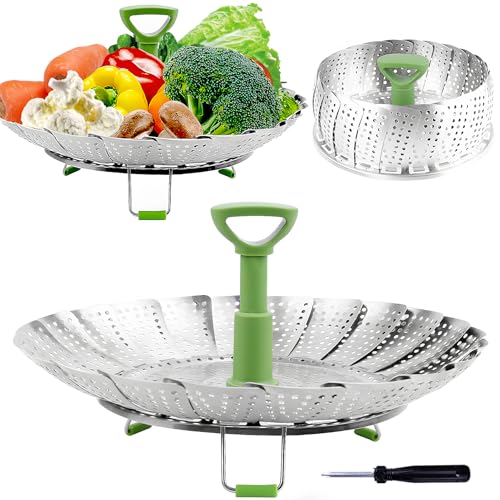
Healthier cooking choices: The steamer basket with high quality stainless steel petals, food grade plastic handle and silicone feet will promote your health. It is non-rust, scratch proof and corrosion resistant, easy to clean for long use. Steaming is a healthy cooking choice because it helps retain more than 90% of the nutrients lost when either boiling or microwaving food. The foldable steam basket can be used to steam veggies, seafood, eggs, meats, desserts, baby food and much more

[PREMIUM QUALITY MATERIAL] - The foldable steamer basket is made of food grade stainless steel, which is rustproof, harmless and durable. The holes on steamer basket are for easy steaming and draining.
Cooking Methods
- Sautéing: Lightly sautéed seeded lettuce can reduce bitterness. Use olive oil, garlic, and spices for flavor.
- Steaming: Steaming preserves nutrients while softening the leaves’ texture. Pair it with a sprinkle of lemon juice for brightness.
- Blending: Blend seeded lettuce into smoothies or soups. This mixes it with fruits or veggies, balancing out flavors while maintaining nutritional benefits.
- Seeded Lettuce Soup: Combine seeded lettuce with onions, garlic, and vegetable broth. Blend until smooth. Adjust seasoning to taste.
- Stir-Fry: Add seeded lettuce to stir-fried vegetables. The quick cooking method enhances its flavors and reduces bitterness.
- Green Smoothie: Mix seeded lettuce with banana, spinach, and a splash of almond milk in a blender. This creates a nutrient-packed, delicious beverage.
Safety Considerations
You can eat lettuce that has gone to seed, but it’s crucial to assess its safety before consuming. Understanding how to identify edible lettuce and knowing the potential risks helps ensure a safe eating experience.
Recommended Products

USDA Certified Organic by Oregon Tilth

FIVE FLAVORFUL VARIETIES FOR A COMPLETE SALAD GARDEN SOLUTION. This lettuce seed pack includes black seeded simpson, red romaine, bibb, buttercrunch, and iceberg. Perfect for salads, wraps, smoothies, and toppings with fresh, homegrown flavors year-round.
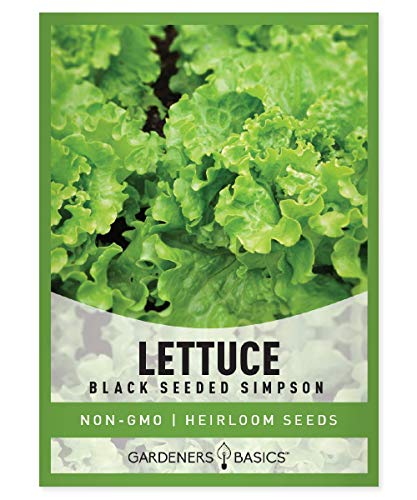
Black Seeded Simpson is a classic heirloom loose leaf lettuce with large, tender green leaves and a mild, sweet flavor. Harvest fresh leaves for salads, sandwiches, wraps, and other homegrown meals.
Identifying Edibility
Check for several key characteristics to determine if your bolted lettuce is still edible:
- Color: Fresh green or slightly yellowed leaves indicate edibility, while dark brown or black spots suggest spoilage.
- Texture: Leaves should feel crisp and firm, not wilted or slimy.
- Taste: Bitterness may increase during bolting but won’t necessarily render the lettuce inedible. Taste a small piece to gauge its flavor.
- Seed Development: Small, immature seeds may not affect the taste much, while fully mature seeds can alter texture and flavor significantly.
Potential Risks
Consider these potential risks when eating bolted lettuce:
- Pest Contamination: Inspect for pests or larvae hiding among leaves. Rinse lettuce thoroughly to eliminate any contaminants.
- Chemical Residues: If treated with pesticides, wash your lettuce well. Opt for organic options when possible to minimize exposure to harmful chemicals.
- Allergic Reactions: Some people may have sensitivities to certain plants. If you’ve never consumed bolted lettuce, start with a small amount to see how your body reacts.
By following these guidelines, you can enjoy bolted lettuce while minimizing risks.
Conclusion
You might find bolted lettuce isn’t as flavorful as fresh greens but it can still be a nutritious addition to your meals. With a little creativity in the kitchen you can transform its bitterness into delicious dishes. Just remember to assess the lettuce for safety before diving in. Whether you choose to sauté it blend it or use it in soups you can enjoy the benefits while minimizing any unpleasant taste. So don’t toss that seeded lettuce—embrace its potential and get cooking!
Frequently Asked Questions
What is lettuce bolting, and what causes it?
Lettuce bolting is the premature flowering of the plant, triggered by environmental factors like high temperatures and stress. When this occurs, the lettuce produces seeds, and the leaves turn bitter while the plant focuses energy on reproduction rather than growth.
How does bolting affect the flavor of lettuce?
When lettuce bolts, its flavor declines significantly. The leaves become more bitter and tough, making them less palatable. Gardeners should be aware of bolting to ensure the best taste and texture in their harvested lettuce.
Is seeded lettuce still nutritious?
Yes, seeded lettuce is still nutritious. Although it has a bitter taste, it offers higher levels of vitamins and minerals, including vitamin A and potassium, along with antioxidants and fiber that benefit digestive health.
What are some cooking methods for using seeded lettuce?
Seeded lettuce can be used in various ways: sautéing, steaming, blending into smoothies or soups, making seeded lettuce soup, incorporating it into stir-fries, and creating green smoothies. These methods can help reduce bitterness while retaining nutritional value.
How can I assess the edibility of bolted lettuce?
To assess the edibility of bolted lettuce, check the color, texture, taste, and seed development. If it appears discolored or has an off-putting taste, it’s best to avoid eating it. Safety is crucial when consuming bolted lettuce.
What are some risks associated with consuming bolted lettuce?
Risks include pest contamination, chemical residues, and potential allergic reactions. It’s essential to thoroughly wash bolted lettuce and assess its condition before consuming it to ensure a safe eating experience.
