

Have you ever wondered what to do with that wilted lettuce sitting in your fridge? You’re not alone. Many people struggle with food waste and look for ways to recycle their kitchen scraps. Composting can be a fantastic solution, but not everyone knows if lettuce is a good candidate for the compost pile.
In this article, you’ll learn whether you can compost lettuce and how it can benefit your garden. You’ll discover tips for composting greens effectively and how to avoid common pitfalls. By the end, you’ll feel confident turning that leftover lettuce into nutrient-rich compost, helping both your garden and the environment.
Key Takeaways
- Composting Lettuce is Beneficial: Lettuce is a nitrogen-rich green material that enhances the nutrient profile of your compost, contributing potassium and calcium for healthier plants.
- Fresh and Clean: Always compost fresh or slightly wilted lettuce. Avoid using spoiled or diseased leaves to prevent odors and pests.
- Balance is Key: Combine lettuce with carbon-rich browns (like dry leaves or cardboard) to maintain a balanced compost heap, promoting aeration and preventing unpleasant smells.
- Watch Your Quantity: Don’t overload your compost with lettuce at once, as excess moisture can lead to a slimy, odoriferous pile. Monitor moisture levels for optimal conditions.
- Avoid Seasonings: Keep compost ingredients free from oils, dressings, or seasonings to maintain the proper balance for successful decomposition.
- Composting Alternatives: Other leafy greens like spinach and kale can also be composted using the same guidelines, making it easier to reduce kitchen waste effectively.
Can You Compost Lettuce?
Yes, you can compost lettuce. Lettuce is a green material, rich in nitrogen. Nitrogen is essential for microbial activity, which accelerates the decomposition process.
Recommended Products

Effortless Recycling: Revolutionize your kitchen with KIBAGAs’ countertop compost bin, designed for recycling food & other organic waste. Seamlessly support eco-consciousness and contribute to nutrient-rich soil for plants, while fostering a clean kitchen space

FEATURED IN BON APPETIT & FORBES: Recognized by renowned magazines, EPICA’s compost bin is a perfectly sized marvel for your kitchen, compact yet spacious enough to hold days' worth of compostable organic waste. Measures 7.16" in diameter x 11" high.
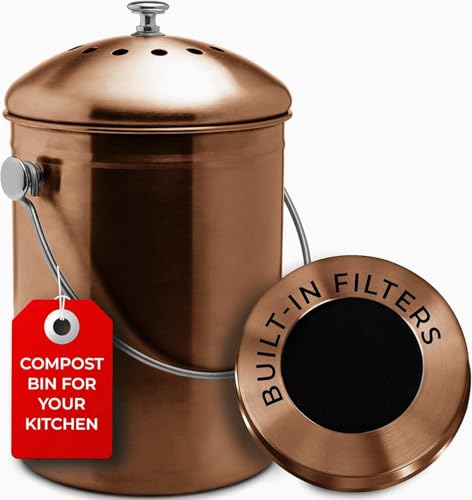
FEATURED IN BON APPETIT & FORBES: Recognized by renowned magazines, EPICA’s compost bin is a perfectly sized marvel for your kitchen, compact yet spacious enough to hold days' worth of compostable organic waste. Measures 7.16" in diameter x 11" high.
Benefits of Composting Lettuce
- Nutrient-Rich: Composting lettuce contributes nutrients like potassium and calcium to your compost.
- Reduces Waste: Composting helps divert food scraps from landfills, minimizing environmental impact.
How to Compost Lettuce Effectively
- Use Fresh Lettuce: Add fresh or slightly wilted lettuce instead of spoiled ones. Spoiled lettuce can create a bad odor and attract pests.
- Chop Into Smaller Pieces: Smaller bits decompose faster. Aim for 1-2 inch pieces for optimal results.
- Mix with Browns: Combine lettuce with browns, like dry leaves or cardboard. This balance promotes aeration and prevents odor issues.
Common Mistakes to Avoid
- Don’t Overload: Avoid adding too much lettuce at once. Excess moisture can lead to slimy compost.
- Avoid Seasonings or Dressings: Keep composting materials free from oil, salt, or dressings to maintain balance.
- Monitor Moisture Levels: Check your compost regularly. It should be damp, not soggy. Adjust with dry materials if necessary.
- What About Other Greens?: Yes, similar greens like spinach or kale can also be composted, following the same guidelines.
- Can I Compost Lettuce with Pests?: If you notice pests on lettuce, discard them before composting.
Composting lettuce enriches your garden soil while reducing waste. It’s a simple step towards sustainable gardening.
Benefits of Composting Lettuce
Composting lettuce provides significant benefits for your garden and the environment. By recycling this kitchen waste, you create rich soil and reduce food waste.
Nutritional Value for Compost
Lettuce adds valuable nutrients to your compost. It’s rich in nitrogen, which promotes healthy microbial activity. When you add fresh, decomposed lettuce, it improves your compost’s overall nutrient profile. For instance, mixing lettuce with browns like dried leaves or straw balances carbon-to-nitrogen ratios, enhancing compost quality. This nutrient boost helps plants grow stronger and healthier.
Reducing Kitchen Waste
Composting lettuce effectively cuts down on kitchen waste. Instead of tossing leftover lettuce into the trash, you can divert it to your compost pile. This practice not only decreases waste sent to landfills but also helps reduce greenhouse gas emissions. For example, diverting 5 pounds of organic waste from the trash can save about 0.8 pounds of carbon dioxide from entering the atmosphere. Additionally, composting lettuce encourages a sustainable cycle that benefits your garden and the planet. Make it a habit to compost any leftover lettuce, and see your kitchen waste diminish over time.
Tips for Composting Lettuce
Composting lettuce is straightforward and beneficial. Follow these tips to ensure a successful composting process.
Recommended Products
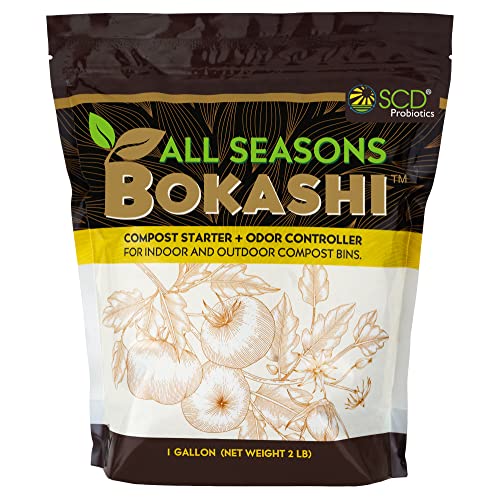
SCD Probiotics All Seasons Dry Bokashi – A chemical free way to kickstart the composting process, seal in more nutrients & reduce odor. Great for both the outdoor composter & indoor kitchen compost bin. Comes in a 1 gallon (2.2 lbs) resealable bag.

Bokashi Fermentation Principle: Our bokashi compost bin is designed based on the Bokashi fermentation principle. Our Bokashi bucket set are fully equipped, including 500g Bokashi bran, a small kitchen pail, as well as one presser, one bran shovel and one measuring cup, allowing you to easily handle various compost activities.

Compact, High-Efficiency Footprint Designed to maximize composting capacity while minimizing floor space.
Preparing Lettuce for Compost
- Choose Fresh Lettuce: Use leftover or wilted lettuce. Avoid diseased or moldy leaves.
- Chop or Tear: Cut lettuce into smaller pieces. This increases surface area, speeding up decomposition.
- Mix with Other Materials: Combine lettuce with browns like dried leaves or shredded paper. A balanced mix promotes healthy compost.
- Avoid Excess Moisture: Ensure the lettuce isn’t too wet, as moisture can lead to odor and pests.
- Hot Composting: Use this method for quick results. Layer greens and browns to achieve high temperatures, breaking down materials in weeks.
- Cold Composting: This method takes longer but requires less maintenance. Add lettuce to your compost pile when it’s available.
- Bokashi Composting: Ferment kitchen scraps, including lettuce, using a Bokashi system. This anaerobic method is ideal for small spaces.
- Vermicomposting: Use worms to compost kitchen scraps. Red wigglers thrive on lettuce, creating nutrient-rich worm castings.
Implementing these tips enhances your composting experience, allowing for healthier soil and gardens.
Potential Issues with Composting Lettuce
Composting lettuce can introduce some challenges. Understanding these issues helps you avoid common pitfalls.
Attracting Pests
Composting lettuce can attract pests like flies, rodents, and other unwanted critters. These pests are drawn to the moisture and nutrients found in fresh greens. To minimize this risk, consider the following strategies:
- Chop Lettuce: Cutting lettuce into smaller pieces speeds up decomposition and reduces odors.
- Cover The Pile: Use a tarp or kitchen scraps to cover your compost pile. A well-covered pile limits access for pests.
- Balance Ingredients: Mix lettuce with carbon-rich materials, like leaves or straw, to reduce moisture and create a balanced compost.
Odor Problems
Decomposing lettuce can lead to unpleasant odors. These smells arise when the material breaks down anaerobically. To prevent odor issues, you can:
- Aerate Regularly: Turn the compost pile regularly to ensure proper airflow. Aeration speeds up decomposition and reduces foul smells.
- Monitor Moisture Levels: Keep your compost pile damp but not soggy. Too much moisture causes anaerobic conditions and bad odors.
- Add Browns: Incorporate brown materials, such as cardboard or dried leaves, to absorb excess moisture and balance nitrogen levels.
By addressing these potential issues, you can enhance your composting experience and maintain a healthy compost environment.
Conclusion
Composting lettuce is a fantastic way to give back to the earth while reducing waste. By following a few simple steps you can turn your kitchen scraps into nutrient-rich compost that benefits your garden. Remember to chop the lettuce and balance it with browns to keep your compost healthy and pest-free.
Whether you choose hot composting or vermicomposting there’s a method that’ll fit your lifestyle. Enjoy the process and watch your garden thrive with the rewards of your composting efforts. Happy composting!
Frequently Asked Questions
What are the benefits of composting lettuce?
Composting lettuce helps recycle kitchen scraps, reduces food waste, and enriches soil with nutrients. Lettuce is rich in nitrogen, which supports healthy microbial activity in compost. By composting, you divert waste from landfills, helping lower greenhouse gas emissions and lessen environmental impact.
How should I prepare lettuce for composting?
Fresh lettuce should be chopped into smaller pieces to speed up decomposition. Mixing it with brown materials, like dried leaves or cardboard, helps maintain a balanced carbon-to-nitrogen ratio, which is essential for effective composting.
Can composting lettuce attract pests?
Yes, composting lettuce can attract pests if not managed properly. To reduce this risk, chop the lettuce, cover the compost pile, and balance it with browns. Additionally, aerating regularly and monitoring moisture levels will help create a more repellent environment for pests.
What composting methods are best for lettuce?
Several methods are effective for composting lettuce, including hot composting, cold composting, Bokashi composting, and vermicomposting. Each method offers unique benefits and can enrich your soil while promoting sustainable plant growth.
How can I prevent odors when composting lettuce?
To prevent odors, balance your compost with brown materials and avoid adding too much wet or green material like lettuce. Regularly aerating your compost pile and monitoring moisture levels will also reduce foul smells and improve overall compost quality.
