

Do you ever find yourself wondering how much water your tomato plants really need to thrive? Picture this: you’ve diligently planted your tomatoes, but when it comes to watering them, you’re not quite sure if you’re doing it right. The struggle to strike the perfect balance between too little and too much water can be all too real for any gardener.
Key Takeaways
- Water is crucial for the health and growth of tomato plants, aiding in nutrient uptake, photosynthesis, and overall plant structure.
- Signs of inadequate watering include wilted/curling leaves, dry soil, slow fruit development, and lack of turgor pressure in plant tissues.
- Factors like growth stage, weather conditions, soil type, and container size influence tomato plants’ water requirements.
- Proper watering practices involve consistency, deep watering around roots, morning watering to prevent diseases, mulching for moisture retention.
- Avoid overwatering to prevent root rot and fungal diseases; adjust watering based on weather conditions and growth stages of tomato plants.
- Utilize drip irrigation systems to deliver water directly to the root zone efficiently; mulching helps conserve water while enhancing soil fertility.
The Importance of Water for Tomato Plants
Water is crucial for the health and growth of your tomato plants. Without an adequate water supply, tomatoes can face various issues that may hinder their development. Let’s explore why tomatoes need water and how to recognize signs of inadequate watering.
Why Tomatoes Need Water
Tomatoes require water for essential functions such as nutrient uptake, photosynthesis, and overall plant structure. Water helps transport nutrients from the soil to different parts of the plant, enabling proper growth and fruit production. Insufficient water can lead to stunted growth, blossom end rot, or even wilting leaves.
Signs of Inadequate Watering
Recognizing signs of inadequate watering is vital to ensure your tomato plants stay healthy. Some common indicators include wilted or curling leaves, dry soil, slow fruit development, and a lack of turgor pressure in the plant tissues. Monitoring these signals can help you adjust your watering schedule to meet your plants’ needs effectively.
By understanding why tomatoes need water and being able to identify signs of inadequate watering, you can provide optimal care for your tomato plants and promote a thriving garden.
Determining Water Needs
Understanding the factors that influence water requirements and recognizing seasonal changes in water needs are crucial for effectively watering your tomato plants.
Recommended Products

【Instant & Accurate Moisture Reading, No More Guesswork】 This plant moisture meter gives precise soil moisture readings in seconds! The responsive pointer instantly tells you if soil is dry, moist, or wet. It helps avoid overwatering & root rot, letting you water plants like a pro with confidence

Accurate Soil Moisture Detection: The XLUX Soil Moisture Meter can tell you if the soil deep inside your pot or garden is dry, moist or wet; whereas your eyes and fingers can only determine the moisture level of the soil surface. The probe is 5.5 inches (14 cm) longer than regular styles, allowing it to measure the soil moisture at the bottom of larger and deeper flower pots.
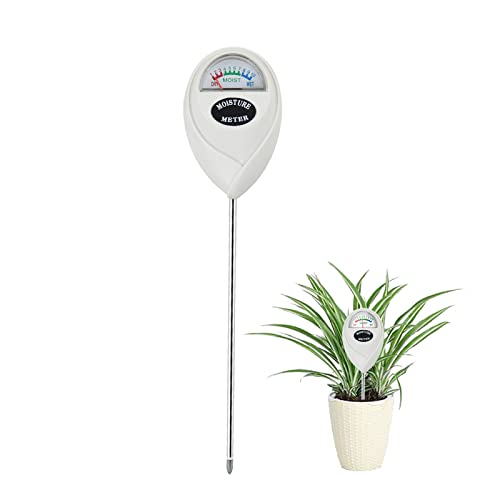
【SAVE YOUR PLANTS】: Over watering can cause problems with your plants or even kill them. This soil moisture meter helps you know the soil is dry, moist or wet.No more over watering!
Factors Influencing Water Requirements
To determine how much water your tomato plants need, consider factors like the plant’s growth stage, weather conditions, soil type, and container size. During hot and dry periods, tomatoes require more frequent watering to prevent stress and dehydration. The type of tomato variety you’re growing also impacts its water needs; determinate varieties generally need less water than indeterminate ones due to their compact size.
Seasonal Water Needs for Tomato Plants
In spring and early summer when temperatures are moderate, tomato plants typically require around 1-1.5 inches (2.5-3.8 cm) of water per week. As the weather gets hotter in midsummer, increase watering to 2 inches (5 cm) per week to accommodate higher evaporation rates. Monitor rainfall levels to adjust your watering schedule accordingly, ensuring that the soil remains consistently moist but not waterlogged.
By considering these factors and adjusting your watering routine based on seasonal changes, you can provide optimal hydration for your tomato plants throughout their growth cycle.
How to Water Tomato Plants Properly
Watering tomato plants correctly is crucial for their health and productivity. Here are some essential tips to help you ensure your tomatoes get the right amount of water at the right time.
Best Practices for Watering
- Water Consistently: Maintain a regular watering schedule to keep the soil evenly moist but not waterlogged.
- Deep Watering: When you water, make sure it penetrates deeply into the soil around the roots to encourage strong root growth.
- Morning Watering: It’s best to water your tomato plants in the morning to allow foliage to dry during the day, reducing the risk of diseases.
- Use Mulch: Apply a layer of organic mulch around your plants to retain moisture in the soil and prevent evaporation.
- Check Soil Moisture: Before watering, check the soil moisture level by inserting your finger into the soil up to an inch deep; if it feels dry, it’s time to water.
- Overwatering: Excessive watering can lead to root rot and other fungal diseases, so avoid drowning your tomato plants with too much water.
- Underwatering: On the flip side, underwatering can stress your plants, leading to poor fruit development and blossom end rot.
- Watering from Above: Directly watering over plant foliage can promote disease spread; focus on delivering water directly to the base of plants instead.
- Ignoring Weather Conditions: Adjust your watering frequency based on weather conditions; hot and windy days may require more frequent watering than cool, cloudy ones.
- Not Adjusting for Growth Stage: As tomato plants grow, their water needs change; adjust your watering routine as they develop from seedlings to mature plants producing fruit.
By following these best practices and avoiding common mistakes, you’ll be able to provide optimal hydration for your tomato plants throughout their growth cycle, ensuring healthy growth and bountiful harvests.
Tools and Techniques for Efficient Watering
When it comes to ensuring your tomato plants receive the right amount of water, utilizing tools and techniques for efficient watering is crucial. Here are some strategies to help you optimize your watering practices:
Using Drip Irrigation Systems
Drip irrigation systems are a practical tool for efficient watering as they deliver water directly to the plant’s root zone. By minimizing water loss due to evaporation or runoff, drip irrigation helps ensure that your tomato plants receive a consistent and adequate supply of moisture. This method also reduces the risk of foliar diseases by keeping the foliage dry while promoting deep root growth.
Benefits of Mulching
Mulching is another effective technique for maximizing water efficiency in your tomato garden. By applying a layer of organic mulch, such as straw or wood chips, around your plants, you can help retain soil moisture, regulate temperature fluctuations, and suppress weed growth. Mulching not only conserves water by reducing evaporation but also enhances soil structure and fertility over time.
By incorporating drip irrigation systems and mulching into your watering routine, you can improve water distribution to your tomato plants while conserving this vital resource effectively. These tools and techniques will contribute to the overall health and productivity of your tomatoes throughout their growth cycle.
Conclusion
Remember, water is the lifeline for your tomato plants. Providing adequate hydration ensures their growth and fruit production. By understanding the signs of water deficiency and adjusting your watering schedule accordingly, you can prevent issues like stunted growth or blossom end rot. Tailoring watering amounts based on growth stages and weather conditions will optimize plant health. Implementing efficient watering techniques, such as drip irrigation systems and mulching, conserves water and promotes root development. Consistency in watering practices is key to maintaining healthy tomato plants year-round. Keep these tips in mind to nurture your tomatoes successfully!
Frequently Asked Questions
What role does water play in the well-being of tomato plants?
Water is crucial for tomato plants as it aids in nutrient absorption, photosynthesis, and overall growth.
What are the repercussions of inadequate watering on tomato plants?
Inadequate watering can lead to stunted growth, blossom end rot, and wilted leaves in tomato plants.
How can gardeners identify signs of insufficient watering in their tomato plants?
Wilted leaves are a common sign of insufficient watering in tomato plants.
What factors affect the water needs of tomato plants?
Factors like growth stage and weather conditions can impact the water needs of tomato plants.
What are some essential tips for watering tomato plants effectively?
Tips include maintaining a consistent schedule, deep watering for root growth, morning watering to reduce diseases, mulching for moisture retention, and checking soil moisture levels.
