

Ever wondered why your tomato plant leaves are turning dry and crispy, despite your best efforts to care for them? Picture this: you’ve lovingly nurtured your tomato plants, eagerly anticipating a bountiful harvest, only to find their once vibrant green leaves now withering away. Fret not, as we’re here to shed light on the common reasons behind this leafy dilemma.
Key Takeaways
- Insufficient watering can lead to dry and crispy tomato plant leaves; ensure regular watering, especially during hot weather.
- Nutrient deficiencies like nitrogen, potassium, or magnesium can cause leaf dryness; consider using balanced fertilizer for healthy growth.
- Environmental stressors such as extreme temperatures or inadequate sunlight can contribute to dry leaves; provide proper shelter when needed.
- Early blight, Fusarium wilt, and Verticillium wilt are common diseases that can cause tomato leaves to dry out; early identification is crucial for effective treatment.
- Proper watering techniques and soil management practices are essential for preventing leaf drying issues in tomato plants.
Understanding the Causes of Dry Tomato Plant Leaves
If you’re wondering why your tomato plant leaves are drying out, it could be due to several factors. Let’s delve into some common reasons for this issue.
Insufficient Watering
When you notice dry and crispy tomato plant leaves, one possible cause is insufficient watering. Tomatoes need consistent moisture to thrive. If the soil becomes too dry between waterings, the leaves can start to dry out and lose their vitality. Ensure you water your tomato plants regularly, especially during hot weather or when they are fruiting heavily.
Nutrient Deficiencies
Nutrient deficiencies can also lead to dry tomato plant leaves. Specifically, a lack of essential nutrients like nitrogen, potassium, or magnesium can manifest as leaf discoloration and dryness. Consider using a balanced fertilizer to provide your plants with the necessary nutrients they need for healthy growth. A soil test can help pinpoint any specific deficiencies that may be affecting your tomato plants.
Environmental Stress
Environmental stressors such as extreme temperatures, strong winds, or inadequate sunlight can contribute to dry tomato plant leaves. High heat levels or prolonged exposure to direct sunlight without adequate shade can cause leaf dehydration and browning. Protect your plants from harsh environmental conditions by providing proper shelter or shade when needed.
By addressing these potential causes of dry tomato plant leaves promptly and taking appropriate corrective measures, you can help ensure that your tomato plants remain healthy and vibrant throughout their growing season.
Common Diseases That Dry Out Tomato Leaves
If you’re noticing your tomato plant leaves drying out, it could be due to various diseases. Identifying these diseases early on is crucial for effective treatment and preventing further damage. Let’s explore some common diseases that can cause tomato leaves to dry out.
Recommended Products
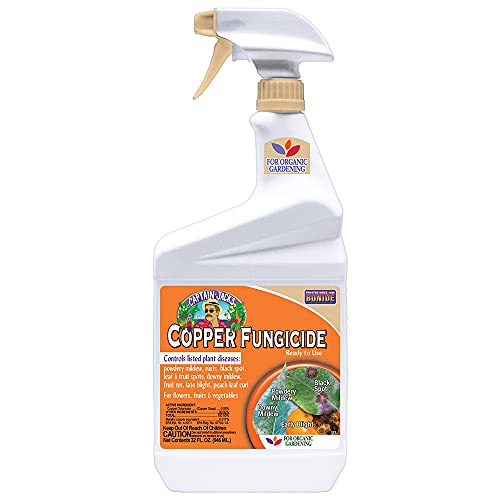
Control fungus and disease in your garden with Captain Jack’s ready-to-use Liquid Copper Fungicide!
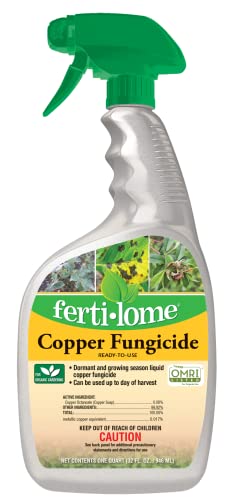
VERSATILE FUNGICIDE - This product fights Needle Blight, Blackspot, Anthracnose, Leaf and Fruit Spot, Cedar Apple Rust, Powdery Mildew, Early and Late Blight on Tomatoes, and Peach Leaf Curl.

Fast-Acting Calcium: Provides a rapid calcium spray to plant tissues, ensuring stronger cell walls and healthy fruit development; Quick absorption formula helps stop blossom-end rot at the source for visibly better results
Early Blight
Early blight is a fungal disease caused by Alternaria solani that affects tomato plants worldwide. It typically starts as small, dark spots on the lower leaves of the plant and gradually spreads upward. As the disease progresses, the affected leaves turn yellow, wither, and eventually dry out. Early blight thrives in warm and humid conditions, so proper ventilation and spacing between plants can help prevent its spread.
Fusarium and Verticillium Wilts
Fusarium wilt and Verticillium wilt are soil-borne fungal diseases that affect tomatoes by clogging the vascular system of the plant. Symptoms include wilting of lower leaves, yellowing, and eventual drying out of foliage. These wilts are challenging to manage once established in the soil but can be prevented by planting resistant varieties and practicing crop rotation.
By being vigilant for signs of these common tomato plant diseases that lead to leaf drying, you can take proactive measures to protect your plants’ health and yield abundant harvests.
Prevention and Care Tips
To ensure your tomato plants thrive and avoid leaf drying issues, follow these practical prevention and care tips:
Recommended Products

【Instant & Accurate Moisture Reading, No More Guesswork】 This plant moisture meter gives precise soil moisture readings in seconds! The responsive pointer instantly tells you if soil is dry, moist, or wet. It helps avoid overwatering & root rot, letting you water plants like a pro with confidence
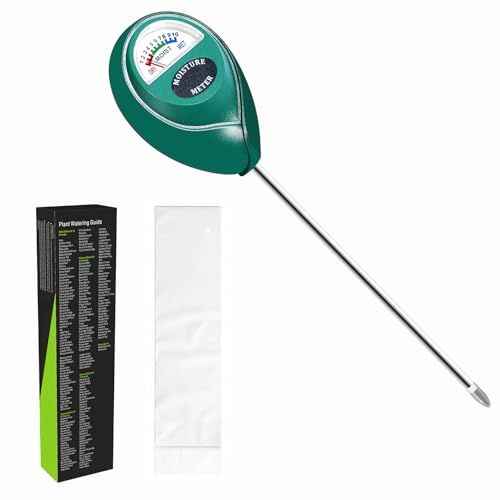
Trusted Since 2015: Become one of the many plant lovers who rely on the proven accuracy of XLUX. Established in 2015, our soil moisture meter has earned over 60,000+ verified ratings for its consistent performance. While many many newer brands come and go, we provide the long-term reliability and quality that American households have trusted for over a decade.

Accurate Soil Moisture Detection: The XLUX Soil Moisture Meter can tell you if the soil deep inside your pot or garden is dry, moist or wet; whereas your eyes and fingers can only determine the moisture level of the soil surface. The probe is 5.5 inches (14 cm) longer than regular styles, allowing it to measure the soil moisture at the bottom of larger and deeper flower pots.
Proper Watering Techniques
Water your tomato plants consistently to maintain optimal moisture levels. Ensure the soil is evenly moist but not waterlogged. A good practice is to water at the base of the plant early in the day to allow foliage to dry before evening, reducing the risk of diseases.
Soil Management Practices
Regularly check the soil quality for proper drainage and aeration. Consider adding organic matter like compost to improve soil structure and nutrient content. Mulching around plants can help retain moisture and regulate soil temperature, promoting healthy root development and overall plant growth.
Conclusion
That’s it! By understanding the various factors that can lead to your tomato plant leaves drying out, you’re now equipped with the knowledge to tackle this issue head-on. Remember, maintaining proper moisture levels, ensuring adequate nutrients, and protecting your plants from diseases are key in keeping your tomato plants healthy and thriving. Implementing preventative measures such as good ventilation, choosing resistant varieties, and practicing crop rotation will go a long way in safeguarding your plants. With these tips in mind, you’ll be able to enjoy lush and vibrant tomato plants all season long. Happy gardening!
Frequently Asked Questions
Why are my tomato plant leaves drying out despite proper care?
Tomato plant leaves can dry out due to issues like inconsistent watering, nutrient deficiencies (especially nitrogen), and exposure to extreme temperatures or sunlight. Ensuring consistent moisture levels, providing adequate fertilization, and protecting plants from harsh environmental conditions can help prevent leaf drying.
What are some common diseases that cause tomato plant leaf drying?
Common diseases leading to tomato plant leaf drying include Early Blight, Fusarium wilt, and Verticillium wilt. These diseases can be identified by symptoms like yellowing, browning, or wilting of the leaves. Early detection is crucial for implementing effective treatment methods such as pruning affected parts and using appropriate fungicides.
How can I ensure the overall health of my tomato plants?
To maintain the health of your tomato plants, focus on providing proper ventilation by spacing them adequately for air circulation. Choose resistant varieties to combat common diseases and practice crop rotation to prevent soil-borne pathogens. Additionally, monitor watering practices closely to avoid overwatering or underwatering and consider mulching around plants for moisture retention and root protection.
What soil management practices should I follow for healthy tomato plants?
For optimal soil health and nutrient availability for your tomato plants, regularly check soil quality through pH testing and add organic compost to enrich the soil with essential nutrients. Mulching around the base of plants will aid in retaining moisture levels while promoting root development. Implementing these practices will contribute to strong plant growth and minimize issues like leaf drying.
