

Growing tomatoes in a garden requires careful planning and execution. Selecting the right varieties and providing optimal conditions will lead to a bountiful harvest. This guide outlines essential steps to ensure your tomato plants thrive.
Tomato Gardening Tools and Supplies List
To successfully cultivate tomatoes in your garden, having the right tools and supplies is essential. This section outlines the key items you’ll need, from basic gardening tools to specialized equipment, ensuring you are well-prepared for every stage of the growing process. Equip yourself with these essentials to enhance your gardening experience and boost your tomato yield.
Before starting your tomato garden, gather the necessary tools and supplies. Having everything on hand will streamline the planting process and ensure you meet the needs of your plants.
Seeds or Seedlings: Choose from heirloom, determinate, or indeterminate varieties.
Potting Soil: Use high-quality, well-draining soil.
Fertilizer: Select a balanced fertilizer with essential nutrients.
Watering Can or Hose: Ensure consistent moisture without overwatering.
Garden Stakes or Cages: Support plants as they grow.
Mulch: Helps retain moisture and suppress weeds.
| Item | Purpose |
|---|---|
| Seeds or Seedlings | Planting |
| Potting Soil | Growth medium |
| Fertilizer | Nutrient supply |
| Watering Can | Moisture control |
| Garden Stakes | Plant support |
| Mulch | Moisture retention |
Recommended Products

[DURABLE AND STURDY] Crafted from robust hollow steel, this garden stakes features a fade-resistant green plastic coating, offering reliable protection against wind, rain, and rust. With anti-slip ridges, it's easy to tie on plant ties, aiding in plant climbing. the pointed bottom design of tomato stakes enables effortless soil insertion, ensuring a secure anchoring effect with minimal effort

[VARIATY SHAPE & SIZE STRUCTURE]: You can build 6pcs triangular tomato cage up to 48inch high by the set. Snap-on arms design also makes it possible to create in different heights squares, hexagons or garden trellis depending on the size of plants, to fit garden beds, raised beds, or plant pot, perfect for maximizing growing space and help your plant grow vertically
Tomato Gardening Preparation and Soil Tips
Preparing your garden for tomato planting is crucial for a successful harvest. The right soil conditions not only promote healthy growth but also enhance flavor and yield. This section will provide essential tips on soil preparation and gardening techniques to ensure your tomatoes thrive throughout the growing season.
Proper preparation is crucial for successful tomato cultivation. Ensure you choose the right location and prepare your soil adequately.
Select a sunny spot that receives at least six to eight hours of direct sunlight daily. Test your soil pH; tomatoes prefer a range of 6.0 to 6.8. Amend the soil with compost to improve drainage and nutrient content.
Wear gloves when handling soil and plants to avoid skin irritation. Keep tools clean to prevent disease spread. Always stay hydrated while working outdoors.
Tomato Planting Techniques for Success
Planting tomatoes effectively is crucial for a thriving garden. Understanding the right techniques can significantly impact growth, yield, and overall plant health. This section will explore essential methods to ensure your tomato plants establish strong roots and flourish throughout the growing season.
Follow these steps to effectively plant your tomatoes and set them up for success.
Choose Planting Time: Wait until the danger of frost has passed.
Prepare Soil: Loosen the soil to a depth of 12 inches and mix in compost.
Plant Seeds or Seedlings: Space plants 18 to 24 inches apart.
Water Immediately: Ensure the soil is moist but not soggy.
Apply Fertilizer: Use a balanced fertilizer according to package instructions.
Stake or Cage Plants: Support as they grow to prevent damage.
Tomato Watering and Nutrient Strategies
Proper watering and nutrient management are crucial for thriving tomato plants. Understanding the specific needs of your tomatoes at different growth stages can significantly enhance their health and yield. This section delves into effective strategies for watering and fertilizing, ensuring your garden produces vibrant and bountiful tomatoes.
Watering and nutrition are vital for tomato health. Proper management can prevent common issues like blossom end rot and cracking.
Water deeply once a week, allowing the soil to dry slightly between waterings. Adjust frequency based on weather conditions.
Fertilize every four to six weeks with a balanced fertilizer. Monitor for signs of nutrient deficiency, such as yellowing leaves or poor fruit development.
| Nutrient | Symptoms of Deficiency |
|---|---|
| Nitrogen | Yellow leaves |
| Phosphorus | Stunted growth |
| Potassium | Poor fruit quality |
Tomato Pest Management Strategies
Managing pests is crucial for a successful tomato garden, as these plants are often targets for various insects and diseases. Effective pest management strategies can help protect your crop and ensure a bountiful harvest. Understanding the common threats and implementing preventive measures will set the foundation for healthy tomato growth.
Pests and diseases can threaten your tomato plants. Early detection and intervention are essential for maintaining plant health.
Inspect plants regularly for signs of pests like aphids, spider mites, and whiteflies. Use insecticidal soap or neem oil for treatment.
Fungal diseases such as blight can be managed by ensuring good air circulation and avoiding overhead watering. Remove any infected leaves immediately.
Recommended Products
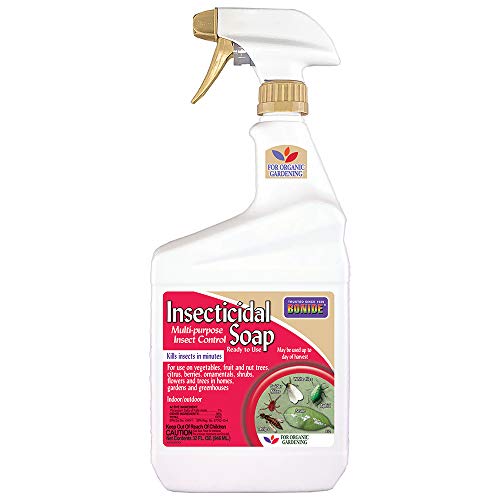
Captain Jack's Insecticidal Super Soap controls species of adelgid, ant, aphid, borer, caterpillar, spider mite, cricket, chinch bug, weevil, fly, thrip, and more
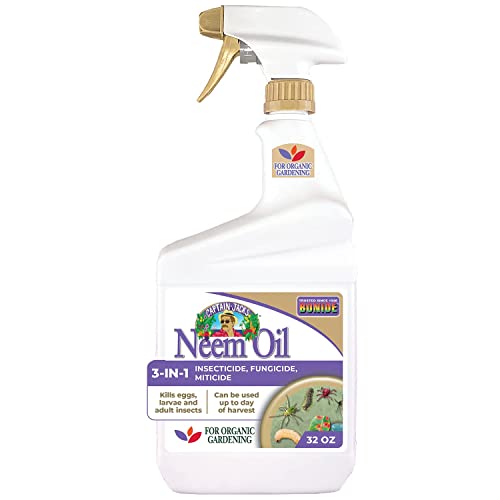
Protect your oasis with 3 garden products in 1 from Captain Jack’s; Bonide Captain Jack’s Ready-to-Use Neem Oil spray for plants is a multi-purpose fungicide, insecticide and miticide for your lawn & garden

PEST DEFENSE - Insecticidal Super Soap controls species of adelgid, ant, aphid, borer, caterpillar, spider mite, cricket, chinch bug, weevil, fly, thrip, & more.
Optimal Tomato Harvest Timing for Flavor
Timing is crucial for achieving the best flavor in your homegrown tomatoes. Understanding when to harvest can significantly impact taste and texture, ensuring you enjoy the full potential of your crop. This section will explore the optimal timing for harvesting tomatoes to maximize their flavor and overall quality.
Timing your harvest correctly is key to enjoying the best flavor. Tomatoes should be picked when they are fully colored and slightly firm to the touch.
Gently twist or cut the fruit from the vine to avoid damaging the plant. Store harvested tomatoes at room temperature to enhance their flavor. Avoid refrigerating them, as cold can alter their taste and texture.
Do not wait too long to harvest, as overripe tomatoes may attract pests.
Ongoing Care for Thriving Tomato Plants
Maintaining healthy tomato plants requires consistent attention and care throughout their growth cycle. This section outlines the essential practices for ongoing care, including watering, fertilization, and pest management, to ensure your plants thrive and produce a bountiful harvest. By following these guidelines, you can maximize the health and yield of your tomato garden.
Regular maintenance is crucial for a thriving tomato garden. Keep a close eye on watering, fertilizing, and pest control throughout the growing season.
Monitor your plants for any signs of distress and adjust care as needed. Enjoy the fruits of your labor when harvest time arrives.
