

Sweet pepper plants typically grow between 18 to 36 inches tall, depending on the variety and growing conditions. Understanding the height range helps gardeners choose the right space and supports for their plants.
Sweet Pepper Plant Height Factors
The height of sweet pepper plants can vary significantly based on several factors. Understanding these elements is essential for gardeners looking to optimize their growing conditions and achieve healthy, productive plants. This section explores the key influences on sweet pepper plant height, including environmental conditions, plant variety, and cultivation techniques.
Sweet pepper plants, part of the Capsicum annuum species, exhibit a range of growth heights. Factors influencing their height include the specific variety, soil quality, and environmental conditions.
Most sweet peppers fall into two main categories: compact and tall varieties. Compact types are ideal for small spaces, while taller varieties may require staking for support.
Recommended Products

🌑[Plant Growth Support]:Garden plant trellis are committed to helping your indoor for potted plants and adds to the natural beauty. As plants grow, the houseplant trellis takes the form of a ladder to help your plant climbing and growing.

Package included : The height of bamboo trellis is 16 inch, each package includes 3pcs trellis. Three shapes are available for you to choose from
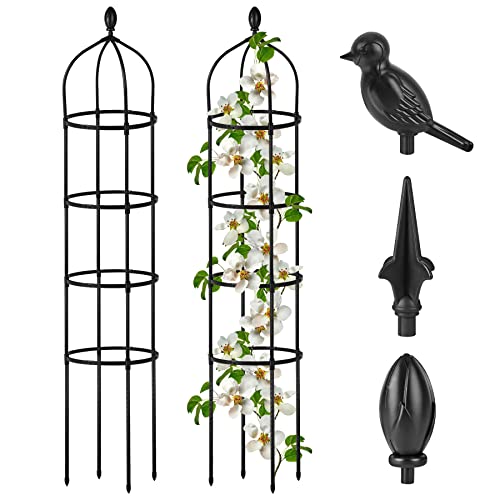
【Trellis for Climbing Plants Outdoor 6ft】1 pack, 6ft(69 in) Tall x 12in Wide obelisk trellis for climbing plants. You can adjust the desired height based on the growth of the plant. Provide ample space for your climbing plants and vines to support the plants well to grow upright and healthy
Sweet Pepper Varieties and Growth Heights
Sweet pepper plants come in various varieties, each exhibiting unique growth heights that can influence gardening choices. Understanding the height potential of different sweet pepper types is essential for planning your garden layout and ensuring optimal growing conditions. This section delves into the specific growth heights associated with popular sweet pepper varieties.
Different sweet pepper varieties have distinct growth patterns. Knowing the height of each variety aids in planning your garden layout. Here are some popular sweet pepper varieties along with their typical heights:
| Variety Name | Average Height (inches) | Notes |
|---|---|---|
| Bell Pepper | 24-36 | Large fruit, needs support |
| Mini Bell Pepper | 18-24 | Ideal for containers |
| Sweet Banana Pepper | 24-30 | Long, slender fruit |
| Cubanelle Pepper | 24-30 | Great for cooking |
Key Factors Affecting Sweet Pepper Height
The height of sweet pepper plants can vary significantly based on several key factors. Understanding these influences is essential for gardeners looking to optimize growth and yield. From environmental conditions to plant care practices, each element plays a crucial role in determining how tall these vibrant plants can grow.
Several factors can affect how tall sweet pepper plants grow. Understanding these can help you optimize growth conditions.
Soil Quality: Nutrient-rich soil promotes healthy growth. Use organic compost to enhance soil fertility.
Watering Practices: Consistent moisture is crucial. Avoid overwatering to prevent root rot.
Sunlight Exposure: Sweet peppers thrive in full sun. Aim for at least six hours of sunlight daily.
Temperature: Ideal temperatures range from 70 to 85 degrees Fahrenheit. Protect plants from frost.
Supporting Methods for Tall Sweet Pepper Plants
Supporting tall sweet pepper plants requires careful attention to their growth needs and environmental conditions. By implementing effective methods such as staking, trellising, and proper pruning, gardeners can enhance the stability and productivity of these plants. Understanding these techniques will help ensure that sweet peppers thrive and reach their full height potential.
As sweet pepper plants grow taller, they may require additional support. This is especially true for larger varieties. Here are effective methods to support your plants:
Staking: Use bamboo stakes or wooden dowels to provide vertical support. Insert stakes into the ground near the plant base.
Caging: Tomato cages can be repurposed for sweet peppers. Surround the plant with the cage to prevent bending.
Trellising: For sprawling varieties, a trellis can help keep plants upright and improve air circulation.
Optimal Height for Harvesting Sweet Peppers
Understanding the optimal height for harvesting sweet peppers is crucial for maximizing yield and ensuring quality. Sweet pepper plants typically reach a height that varies based on their variety and growing conditions. This section will explore the ideal heights for different types of sweet pepper plants and how these factors influence the harvesting process.
Harvesting sweet peppers at the right time is essential for flavor and texture. Generally, peppers are ready to pick when they reach their full size and color.
Color Indicators: Look for vibrant color changes. Green peppers can be harvested early, while red, yellow, or orange varieties need to fully ripen.
Size Check: Ensure peppers are firm and have reached the expected size for their variety.
Gentle Removal: Use pruning shears to cut the stem, avoiding damage to the plant.
Identifying Sweet Pepper Growth Problems
Sweet pepper plants can encounter various growth issues that affect their height and overall health. Identifying these problems early is crucial for ensuring robust growth and a fruitful harvest. This section will explore common growth challenges faced by sweet pepper plants and provide insights on how to address them effectively.
Sometimes sweet pepper plants do not reach their expected height. Identifying and addressing issues early can help.
Nutrient Deficiency: Yellowing leaves can indicate a lack of nitrogen. Apply a balanced fertilizer.
Pest Infestation: Check for aphids or spider mites. Use insecticidal soap to manage infestations.
Disease Symptoms: Wilting or discolored leaves may signal disease. Remove affected plants promptly to prevent spread.
Optimal Growth Conditions for Sweet Peppers
Understanding the optimal growth conditions for sweet pepper plants is essential for achieving a bountiful harvest. These plants thrive in specific environments that influence their height, yield, and overall health. By focusing on factors such as light, soil, and temperature, gardeners can create the ideal setting for their sweet peppers to flourish.
Planning your sweet pepper garden involves considering logistics for optimal growth. Here are key points to keep in mind:
Spacing: Allow 18 to 24 inches between plants for proper airflow.
Container Size: Use at least a 5-gallon container for potted varieties to provide ample root space.
Timing: Start seeds indoors 8-10 weeks before the last frost date for early planting.
Sweet pepper plants can thrive with the right care and conditions. Monitoring growth and addressing any issues promptly will ensure a successful harvest.
