

Ever wondered if planting cucumbers in mounds could make a difference in your garden? Picture this: you’re eager to grow juicy cucumbers, but unsure of the best way to nurture them. What if I told you that planting cucumbers in mounds could be the key to a bountiful harvest?
Pros and Cons of Planting Cucumbers in Mounds
Pros and Cons of Planting Cucumbers in Mounds
When considering whether or not to plant cucumbers in mounds, weighing the pros and cons can help you make an informed decision.
Pros:
- Improved Drainage: Mounds help prevent waterlogging, which cucumbers dislike.
- Enhanced Warmth: The soil in mounds absorbs heat, promoting cucumber growth.
- Better Soil Aeration: Raised mounds allow roots to breathe, aiding in healthy development.
- Reduced Risk of Diseases: Improved airflow can lower the chances of fungal infections.
- Requires Adequate Space: Mounds take up more area in your garden.
- Increased Effort: Building and maintaining mounds can be labor-intensive.
- Potential Drying Out: sandy soils may dry out too quickly in mounds.
- More Frequent Watering: Mounds may need extra watering due to faster drainage.
Whether to plant cucumbers in mounds depends on your garden setup and available resources.
Step-by-Step Guide to Planting Cucumbers in Mounds
Ready to plant your cucumbers in mounds? Follow these simple steps for a successful growing season:
- Choose a Sunny Spot: Pick a location with full sun exposure to ensure your cucumbers thrive.
- Prepare the Soil: Loosen the soil in your chosen area and mix in some compost for added nutrients.
- Form Mounds: Create mounds about 1-2 feet wide and 6-12 inches tall to promote drainage and warmth.
- Space Out Plants: Plant your cucumber seeds or seedlings about 12-24 inches apart in each mound.
- Provide Support: Consider adding a trellis or stakes for your cucumber vines to climb as they grow.
- Water Regularly: Cucumbers need consistent moisture, so water deeply when the soil is dry to the touch.
- Mulch Around Plants: Apply a layer of mulch around your plants to help retain moisture and suppress weeds.
- Fertilize Appropriately: Feed your cucumber plants with a balanced fertilizer according to the package instructions.
- Monitor for Pests: Keep an eye out for common cucumber pests like aphids and cucumber beetles.
- Harvest with Care: Once your cucumbers are ready, harvest frequently to encourage more fruit production.
| Important Measurements | Values |
|---|---|
| Mound width | 1-2 feet |
| Mound height | 6-12 inches |
| Plant spacing | 12-24 inches |
Types of Cucumber Varieties Suitable for Mound Planting
When it comes to selecting cucumber varieties for planting in mounds, you have several options to choose from based on your preferences and local growing conditions.
- Straight Eight: A popular choice known for its straight shape, ideal for slicing.
- Lemon Cucumber: Small, round, and yellow, these cucumbers have a mild, sweet flavor.
- Armenian: Also called “snake melon,” it has a thin, twisted appearance and a delicate taste.
- Pickling Cucumbers: Varieties like Boston Pickling or National Pickling are excellent for pickling due to their size and texture.
Consider the cucumber variety characteristics and intended use when deciding which ones to plant in your mounds for a successful harvest.
Recommended Products
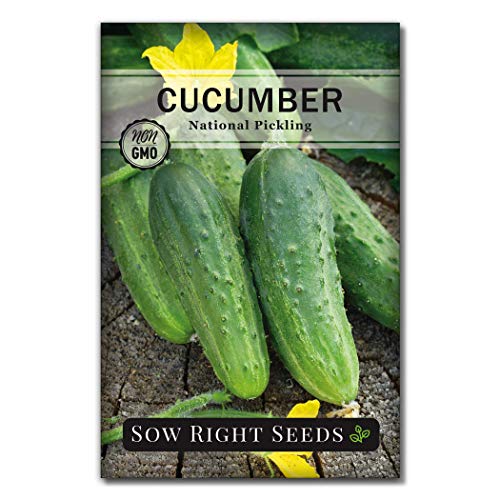
Beautiful - Full-color packet of National Pickling Cucumber seeds (Cucumis Sativus), a heavy producing self-pollinating variety that is burpless and wonderful for pickles or eating fresh. Sweet skins do not need to be peeled. Minimum of 1g per packet (about 39 seeds).

Burpee exclusive. Perfect for the patio, snacking and pickling. Exceptional yields up to 55 cukes per vine

Boston Pickling Cucumber seeds garden seeds vegetable seeds bulk
Maintaining and Caring for Cucumber Mounds
Cucumber mounds require attention to ensure your plants thrive and produce plentiful cucumbers. Here are some essential tips for maintaining and caring for your cucumber mounds:
- Watering: Cucumbers need consistent watering, especially during dry spells. Ensure the soil stays evenly moist and avoid over-watering, which can lead to disease.
- Weeding: Regularly remove weeds from your cucumber mounds to prevent competition for nutrients and water. Mulching can help reduce weed growth.
- Fertilizing: Apply a balanced fertilizer when planting and side-dress as the plants grow to provide them with essential nutrients.
- Support: Certain cucumber varieties benefit from support. Consider using trellises or stakes to keep vines off the ground and promote airflow.
- Pest Control: Monitor for pests like cucumber beetles and aphids. Use natural methods or appropriate pesticides to keep pest populations in check.
- Disease Prevention: Avoid overhead watering to reduce the risk of fungal diseases. Proper spacing between plants can also help improve air circulation.
- Harvesting: Regularly harvest ripe cucumbers to encourage more production. Check plants daily once they start bearing fruit.
| Cucumbers Need | Consistent watering |
| Regular Weeding | |
| Balanced Fertilization | |
| Proper Support | |
| Pest Control | |
| Disease Prevention | |
| Regular Harvesting |
Harvesting Cucumbers from Mounds
When it comes time to harvest cucumbers from your mounds, here are some essential tips to ensure a bountiful yield:
- Check for Ripeness: Look for firm, dark green cucumbers that are about 6-8 inches long. Avoid cucumbers with yellow tones.
- Harvest Frequently: It’s best to harvest cucumbers every 2-3 days to encourage new growth and prevent overripening.
- Use Pruning Shears: Cut the cucumber from the vine using pruning shears to avoid damaging the plant.
- Inspect Carefully: Check for any hidden cucumbers that may have grown too large and become yellow.
- Enjoy Fresh: Cucumbers are best enjoyed when they are freshly harvested, so try to consume them soon after picking.
Remember, harvesting cucumbers is an exciting part of your gardening journey. By following these tips, you’ll soon be enjoying delicious cucumbers straight from your own mounds.
Recommended Products

Reduce Hand Strain: These micro tip snips are made to reduces hand fatigue which makes them great for those with arthritis, carpal tunnel, hand or wrist issues; Comfortable “grip” handles will make it easy to work for long-time use without making you feel hand pain

DUAL CUTTING POWER: VERSATILE PRUNING COMBO --- With both Pruning Shears and Pruning Snip, this combo delivers unmatched versatility. Whether you're delicately trimming flowers and shrubs, tackling thicker tree branches, or tending to your vegetable and fruit garden, our combo pack excels in all areas. They're also perfect for landscaping projects and maintaining the health and appearance of indoor plants. With this pack, you have a versatile tool that simplifies your gardening tasks.

CLEAN CUTS FOR LIVE GROWTH: Bypass blade design is ideal for pruning delicate flower stems and green growth, helping reduce crushing and plant damage while cutting stems and small branches up to 5/8” in diameter
Conclusion
Harvesting cucumbers from mounds can be a fulfilling experience. By following these tips, you ensure a bountiful yield of fresh cucumbers. Remember to check for ripeness, harvest frequently, use pruning shears, and enjoy your cucumbers soon after picking. With these practices in place, you’ll be able to savor the satisfaction of homegrown cucumbers. Happy gardening!
Frequently Asked Questions
Q: When should I harvest cucumbers from mounds?
A: Harvest cucumbers when they are ripe, typically every 2-3 days.
Q: How can I stimulate new growth while harvesting cucumbers?
A: Harvest frequently to stimulate new growth in the plants.
Q: What tool should I use to cut cucumbers from the vine?
A: Use pruning shears to cut cucumbers from the vine properly.
Q: What should I look out for when inspecting cucumbers?
A: Carefully inspect cucumbers for signs of being overripe.
Q: How soon should I enjoy the harvested cucumbers?
A: Enjoy fresh cucumbers soon after picking for the best taste.
