

Ever wondered how to ensure your cucumber seeds stay viable for the next planting season? Picture this: you’ve harvested your cucumbers, enjoyed the fresh crunch, and now it’s time to think ahead. What if you could save money and guarantee a bountiful cucumber harvest next year? In this article, you’ll discover simple yet effective methods to preserve your cucumber seeds like a pro.
By learning how to preserve cucumber seeds, you’re not just saving money on buying new seeds each year; you’re investing in a sustainable future for your garden. Imagine having a constant supply of fresh cucumbers without worrying about seed quality. With our easy-to-follow tips and tricks, you’ll be equipped to store your cucumber seeds properly and ensure a successful growing season every time. So, are you ready to unlock the secrets of seed preservation and take your gardening game to the next level?
Selecting the Ideal Cucumbers for Seed Saving
When it comes to seed saving, choosing the right cucumbers is essential. Here’s how to select the ideal ones for preserving those precious seeds:
- Opt for open-pollinated varieties over hybrids.
- Select cucumbers that are fully ripe but not overripe.
- Look for fruits that exhibit desirable traits like size, flavor, and disease resistance.
- Avoid using cucumbers that show signs of rot or disease.
Remember, the quality of the cucumber you select will directly impact the viability and success of the seeds you save for your next planting season.
Recommended Products
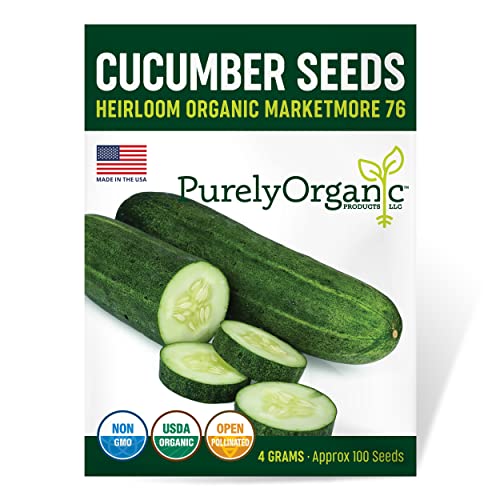
Cucumis Sativus: These finest quality, non-GMO, USDA Organic Marketmore Cucumber seeds produce hefty dark green, smooth fruits 8-9 inches long with a sweet and mild flavor ideal for slicing, salads, sandwiches and soups.

★ Seed Information ★ Package includes approximately 40 seeds. If the number of seeds does not match the indicated amount, please contact us, and we will solve this problem ASAP. On the back of each packaging you will find English instructions for planting and growing. Please follow the instructions for a good harvest

★ Seed Information ★ Package includes approximately 100 seeds. If the number of seeds does not match the indicated amount, please contact us, and we will solve this problem ASAP. On the back of each packaging you will find English instructions for planting and growing. Please follow the instructions for a good harvest
Harvesting Ripe Cucumbers for Seed Extraction
When it comes to harvesting cucumbers for seed extraction, timing is essential. You’ll want to pick cucumbers that are fully ripe but not overripe. Look for fruits that have reached their mature size and show optimal color for their variety.
Here are some key steps to ensure you’re harvesting cucumbers at the right time:
- Inspect Your Cucumbers: Check your cucumber patch regularly for fruits that are mature in size and color.
- Perform the Thumb Test: Press your thumbnail against the cucumber skin; it should be firm but slightly give under pressure.
- Avoid Overripeness: Cucumbers left on the vine too long can become yellow, tough, and full of large seeds – not ideal for seed saving.
Remember, picking the best cucumbers will lay the groundwork for successful seed preservation.
Seed Cleaning and Processing Techniques
When it comes to preserving cucumber seeds, seed cleaning and processing are essential steps that can greatly impact the success of your seed-saving endeavors. Here are some key techniques to help you effectively clean and process cucumber seeds:
- Removing Debris: Begin by separating the seeds from the pulp and any debris they may be attached to.
- Fermentation Method: Fermenting the seeds can help dissolve any remaining pulp, preventing mold and disease on the seeds.
- Rinsing and Drying: Thoroughly rinse the seeds to ensure they are clean before drying. Properly dried seeds are crucial for long-term storage.
- Seed Storage: Store your clean, dry seeds in a cool, dark, and dry place to maintain their viability for future planting seasons.
- Labeling: Label your seed packets with the variety, harvest date, and any other relevant information to keep track of your seed collection.
By following these seed cleaning and processing techniques, you can ensure that your cucumber seeds are well-preserved and ready for successful germination in the seasons to come.
Recommended Products

ULTIMATE GARDEN ORGANIZATION – THE COMPLETE SPRING STARTING KIT Streamline your planting season with our all-in-one seed packet organizer. This complete starter kit includes 30 thick seed envelopes, 30 waterproof plant labels, and 1 marker pen. It’s the essential gardening supplies solution to keep your vegetable and flower varieties indexed, preventing messy drawers and ensuring you're ready for the first thaw.

UNCOMPROMISING SEED SECURITY - Your precious seed collection deserves more than a plastic container. Our upgraded dual safety locks create a fortress against moisture, curious kids, and pests. The light-proof, coated metal walls maintain seed viability, so your heirloom tomatoes and rare peppers are always ready for the next season.

Seed Storage Organizer Set: Seed storage boxes include a double zipper storage box, 26 seed boxes, 40 label stickers, 10 reusable seed envelopes to store vegetable, flower, and plant seeds. Label stickers let you categorize seeds by type, season, or planting date, ensuring quick access. Fully meet your daily needs
Optimal Storage Conditions for Cucumber Seeds
Now that you’ve cleaned and processed your cucumber seeds with care, it’s crucial to store them properly to maintain their viability. Here’s how to ensure the longevity of your seed collection:
- Temperature: Keep your cucumber seeds in a cool, dry place away from fluctuations in temperature. Ideal range: 50-70°F (10-21°C).
- Humidity: Moisture can reduce the shelf life of your seeds. Optimal humidity level for cucumber seeds is less than 60%.
- Light: Protect your seeds from direct sunlight to prevent them from degrading. Store them in a dark area or opaque containers.
- Air Circulation: Adequate ventilation is key to preventing mold growth. Ensure air can circulate around the storage containers.
- Containers: Choose airtight and moisture-proof containers such as glass jars or sealed plastic bags.
| Optimal Storage Conditions | |
|---|---|
| Temperature | 50-70°F (10-21°C) |
| Humidity | Less than 60% |
Following these guidelines will help preserve the quality of your cucumber seeds for future planting seasons.
Recommended Products

[LARGER STORAGE SPACE] The package includes 1 big plastic storage box + 64 small containers+ 1 tweezers This box can meet the needs of daily variety of seed classification storage.

SEED ORGANIZER: The box measures 14" L x 3.75" W x 4.5" H inches, suitable for organize 3.25 and 3.5 inches wide seed packets. Most brands’ seed packet is 3.25" wide.

KEEP YOUR SEEDS SAFE - The green opaque nature of the garden seed organizer ensures that no light enters the box which keeps the seeds safe. Transparent bottles enable you to easily see whats inside and how much seeds are left. Blank labels can be used to write your desired titles for each bottle and colored labels can be used for organizing and categorizing. Keep your precious seeds organized.
Planning for Future Planting Seasons
When planning for future planting seasons, label and organize your cucumber seeds properly. Assigning clear labels helps you identify the seed varieties easily when it’s time to plant.
To maintain seed viability, limit exposure to temperature fluctuations and moisture. Store your seeds in a consistent cool, dry place to ensure their longevity.
Consider creating a seed starting schedule based on your planting zone and the recommended time for cucumber seeds to sprout. This allows you to prepare in advance for each planting phase.
A seed viability test is a handy way to assess the germination rate of stored seeds. Conduct one before planting to determine if the seeds are still viable for the upcoming season.
Track important details about your seeds in a gardening journal. This record helps you evaluate the success of different storage methods and guides your choices for future seasons.
Regularly review and update your seed storage techniques based on your observations to optimize the preservation of your cucumber seeds.
Conclusion
You now have a solid understanding of preserving cucumber seeds for successful future planting. By organizing, labeling, and storing your seeds properly, you can ensure their viability. Remember to consider your planting zone when creating a seed starting schedule. Testing seed viability before planting and maintaining a gardening journal will help you track your progress. Regularly updating your seed storage methods will optimize the preservation of your cucumber seeds. Happy gardening!
Frequently Asked Questions
Why is it important to properly label and organize cucumber seeds?
It is crucial to label and organize cucumber seeds to maintain seed viability and ensure accurate plant identification during planting seasons.
How can temperature fluctuations and moisture exposure impact seed viability?
Temperature fluctuations and moisture exposure can decrease seed viability, leading to poor germination rates and reduced plant growth potential.
What is a seed starting schedule based on planting zones?
A seed starting schedule based on planting zones helps plan when to start cucumber seeds indoors, taking into account regional climate variations for optimal growing conditions.
Why should a seed viability test be conducted before planting cucumber seeds?
Conducting a seed viability test helps assess seed germination rates, allowing gardeners to discard old or nonviable seeds and only plant those with a high probability of sprouting.
How can keeping a gardening journal help in tracking seed details?
Maintaining a gardening journal allows gardeners to record essential information about seed varieties, planting dates, and outcomes, enabling better decision-making and planning for future seasons.
Why is it necessary to update seed storage techniques regularly?
Regularly updating seed storage techniques ensures the longevity and viability of cucumber seeds by adapting to changing environmental conditions and preserving seed quality over time.
