

Ever wondered why your cucumber plants aren’t thriving as they should? Are you struggling to find the right balance when it comes to watering them? Picture this: you’ve put in the effort to grow these green beauties, but they seem to be wilting before your eyes. Don’t worry, you’re not alone in this dilemma.
Importance of Watering Cucumbers
Watering your cucumber plants is crucial for their growth and development. Cucumbers are made up of about 96% water, making hydration a top priority. Inconsistent watering can lead to issues like bitter cucumbers and poor fruit development, so maintaining the right moisture level is key.
Here are some reasons why proper watering is important for your cucumber plants:
- Nutrient uptake: Water helps cucumbers absorb essential nutrients from the soil.
- Photosynthesis: Adequate water supports the process of photosynthesis, enabling plants to produce energy for growth.
- Temperature regulation: Water helps regulate the temperature of the plant, especially in hot weather.
To ensure your cucumber plants thrive, it’s essential to understand their watering needs. Remember, keeping the soil consistently moist but not waterlogged is ideal for healthy cucumber growth.
Signs of Underwatering Cucumbers
- Wilting: Cucumbers will appear droopy and lackluster.
- Slow Growth: You might notice stunted or slow growth in your cucumber plants.
- Yellowing Leaves: The leaves may turn yellow and become crispy.
- Bitter Fruits: Underwatered cucumbers can result in bitter-tasting fruits.
To prevent these issues, make sure to water your cucumber plants adequately.
Recommended Products
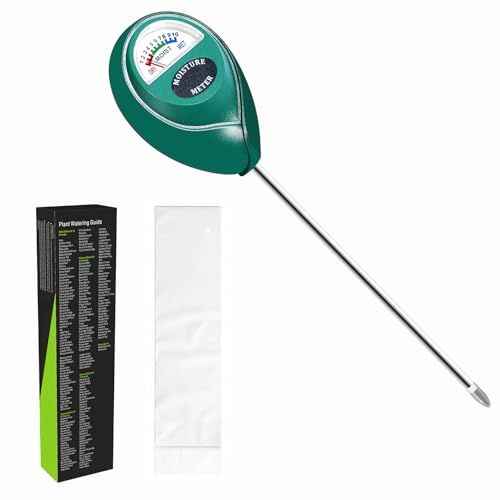
Trusted Since 2015: Become one of the many plant lovers who rely on the proven accuracy of XLUX. Established in 2015, our soil moisture meter has earned over 60,000+ verified ratings for its consistent performance. While many many newer brands come and go, we provide the long-term reliability and quality that American households have trusted for over a decade.

Accurate Soil Moisture Detection: The XLUX Soil Moisture Meter can tell you if the soil deep inside your pot or garden is dry, moist or wet; whereas your eyes and fingers can only determine the moisture level of the soil surface. The probe is 5.5 inches (14 cm) longer than regular styles, allowing it to measure the soil moisture at the bottom of larger and deeper flower pots.

Accurate Soil Moisture Detection: The XLUX Soil Moisture Meter can tell you if the soil deep inside your pot or garden is dry, moist or wet; whereas your eyes and fingers can only determine the moisture level of the soil surface. The probe is 5.5 inches (14 cm) longer than regular styles, allowing it to measure the soil moisture at the bottom of larger and deeper flower pots.
Signs of Overwatering Cucumbers
Overwatering can be just as detrimental to cucumber plants as underwatering. Here are some signs to watch out for:
- Wilting: While it may seem contradictory, overwatering can lead to droopy, wilting leaves.
- Yellowing Leaves: If you notice your cucumber plant’s leaves turning yellow, it could be a sign of too much water.
- Root Rot: Overwatering can cause root rot, leading to a foul smell and mushy roots.
- Stunted Growth: Excessive water can hinder growth, causing your cucumber plant to remain small.
- Fungal Diseases: Wet conditions can promote the growth of fungi, impacting your plant’s health.
Remember, finding the right balance in watering your cucumber plants is key to their overall health and productivity.
Best Practices for Watering Cucumbers
When it comes to watering cucumbers, balance is key. Here are some best practices to help you keep your cucumber plants healthy and thriving:
- Frequency: Water your cucumbers deeply once or twice a week, rather than shallow watering every day.
- Soil Moisture: Ensure the soil is moist but not waterlogged. Stick your finger into the soil up to the first knuckle; if it feels dry, it’s time to water.
- Morning Watering: It’s best to water your cucumber plants in the morning to prevent excess moisture at night, which can lead to fungal issues.
- Mulching: Apply a layer of mulch around your plants to help retain soil moisture and reduce water evaporation.
- Container Plants: If you’re growing cucumbers in containers, they may need more frequent watering, especially during hot weather.
- Weather Conditions: Adjust your watering schedule based on the weather. Hot and windy days may require more water, while cool and rainy days may need less.
Keeping these practices in mind will help you nurture robust cucumber plants that yield a bountiful harvest.
Conclusion
You now have a solid understanding of the importance of proper watering for your cucumber plants. By following the best practices outlined in this article, such as watering deeply once or twice a week, checking soil moisture levels, and adjusting watering based on weather conditions, you can ensure the health and productivity of your cucumber plants. Remember to water in the morning, use mulch to retain moisture, and pay special attention to container-grown plants during hot weather. By striking a balance in your watering practices, you’ll be on your way to cultivating strong cucumber plants that yield a bountiful harvest. Happy gardening!
Frequently Asked Questions
How often should I water my cucumber plants?
Water your cucumber plants deeply once or twice a week, ensuring the soil is moist but not waterlogged.
What are the signs of overwatering cucumber plants?
Signs of overwatering include wilting, yellowing leaves, root rot, stunted growth, and increased vulnerability to fungal diseases.
When is the best time of day to water cucumber plants?
Water your cucumber plants in the morning to allow for adequate absorption and to prevent excess moisture in the evening, which can lead to fungal issues.
How can I check if my cucumber plants need water?
Check the soil moisture level by inserting your finger into the soil; water when the top inch feels dry to the touch.
Should I adjust my watering based on the weather conditions?
Yes, adjust your watering frequency based on the weather; increase during hot, dry periods and decrease during cooler, rainy spells.
How can I retain moisture in the soil for my cucumber plants?
Use mulch around the base of the plants to help retain soil moisture and reduce evaporation.
What precautions should I take when watering container-grown cucumber plants in hot weather?
Watch container-grown plants closely during hot weather; they may dry out faster, requiring more frequent watering to prevent dehydration.
