

Benefits of Planting Broccoli
When it comes to planting broccoli, there are a variety of benefits that make it a worthwhile addition to your garden. Here’s why planting broccoli can be advantageous for you:
- Nutritional Powerhouse: Broccoli is packed with essential nutrients like Vitamin C, Vitamin K, and fiber, making it a great addition to a healthy diet.
- Versatile Cooking: You can enjoy broccoli in various ways – steamed, roasted, stir-fried, or even raw in salads.
- Economical: Growing your own broccoli can be cost-effective in the long run, especially if you use it frequently in your meals.
- Seasonal Flexibility: Broccoli is a cool-weather crop that can be planted in both the spring and fall, providing you with options for when to grow it.
- Companion Planting: Planting broccoli alongside certain vegetables can help repel pests and improve the overall health of your garden.
- Storage Benefits: Broccoli can be stored in the refrigerator for up to a week, allowing you to enjoy your homegrown produce at your convenience.
Understanding the Right Season for Planting Broccoli
When planting broccoli, timing is crucial to ensure a successful harvest. Here are some key points to consider:
- Spring Planting: Plant broccoli in early spring for a harvest in late spring to early summer when temperatures range between 45-75°F.
- Fall Planting: Alternatively, plant broccoli in mid to late summer for a fall harvest. Cooler temperatures of 60-70°F are ideal for broccoli growth.
To determine the best time for planting, consider the average date of the last frost in your area. Planting broccoli should ideally be done 2-4 weeks before this date to allow the plant to establish itself ahead of optimal growing conditions.
| Spring Planting | Fall Planting |
|---|---|
| Early spring, 45-75°F | Mid to late summer, 60-70°F |
| Harvest in late spring to early summer | Harvest in fall |
By planting broccoli at the right time, you ensure that your plants thrive and produce bountiful heads that you can enjoy in your favorite dishes.
Preparing the Soil for Broccoli Planting
When Preparing the Soil for Broccoli Planting, it’s crucial to ensure that the area is well-draining and rich in organic matter. Here are some steps you can follow to get your soil ready:
- Test the Soil: Before planting, it’s a good idea to test the soil pH. Broccoli prefers a pH level between 6.0 and 7.0 for optimal growth.
- Amend the Soil: If needed, you can amend the soil by adding compost or well-rotted manure to improve its nutrient content. This will help provide the necessary nutrients for your broccoli plants.
- Loosen the Soil: Loosen the soil in the planting area to a depth of at least 10-12 inches to allow the broccoli roots to grow deeply and access water and nutrients.
- Remove Weeds: Before planting, make sure to clear the area of weeds that may compete with your broccoli plants for nutrients and water.
- Mulch: Consider applying mulch around your broccoli plants once they are established to help retain moisture and suppress weed growth.
By taking these steps to prepare the soil, you can create an optimal environment for your broccoli plants to thrive and produce a bountiful harvest.
Recommended Products

HEIRLOOM BROCCOLI VARIETIES – Three traditional broccoli heirlooms (Brassica oleracea var. italica)Calabrese, Waltham 29, and Purple Sprouting Broccoli, plus Romanesco broccoli (Brassica oleracea var. botrytis), and San Marzano Raab (Brassica rapa)
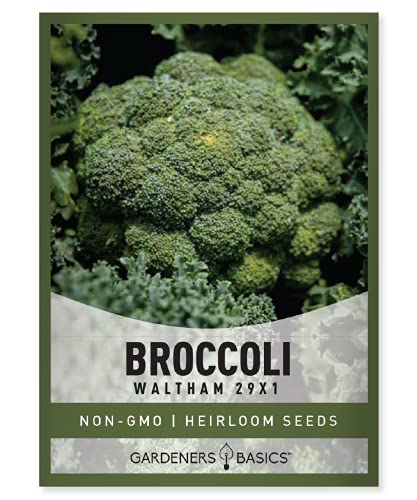
🏅 TRUSTED VARIETY - Popular broccoli seeds used by gardeners for years. Produces heavy, dark green broccoli heads that are packed full of both flavor and nutrition.
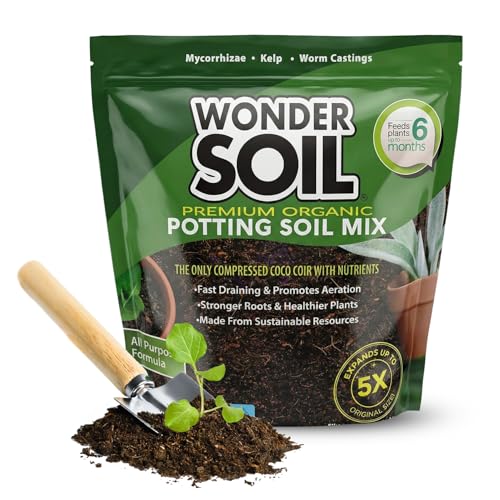
NUTRIENT RICH & INDOOR/OUTDOOR FAST GERMINATION… Wonder Soil Premium Organic Potting Soil Mix is the only dry compressed coco coir mix with added amendments of worm castings, mycorrhizae, kelp, perlite and more! Grow your plants faster with stronger roots! Peat free, all natural, family and pet safe!
How to Plant Broccoli Seedlings
To plant broccoli seedlings, follow these steps:
- Start by preparing the soil as discussed earlier.
- Selecting the right spot: Choose a sunny location with well-draining soil.
- Transplanting: Plant seedlings about 18-24 inches apart in rows spaced 24-36 inches apart.
- Depth: Place seedlings in the ground up to the first set of leaves.
- Watering: Keep the soil consistently moist, especially during dry periods.
- Fertilizing: Consider adding a balanced fertilizer a few weeks after transplanting.
- Timing: Plant seedlings in early spring for a summer harvest or in midsummer for a fall crop.
- Protection: Use row covers to shield seedlings from pests and harsh weather conditions.
- Maintenance: Watch out for pests like aphids and caterpillars, and address any issues promptly.
| Average Germination Time | 5-10 days |
| Days to Maturity | 60-100 days |
| Ideal Soil pH | 6.0-7.0 |
| Recommended Spacing | 18-24 inches apart |
Keep these guidelines in mind for a successful broccoli harvest.
Recommended Products

Indoor Garden Seed Starter Trays: Kickstart your indoor garden effortlessly with our thoughtfully designed seedling start trays. Each cell measures 1.6 inches in width, 1.6 inches in length, and 2 inches in depth, offering the perfect size for a wide array of seeds, including herbs, microgreens, succulents, tomatoes, roses, vegetables, and more.

Indoor Garden Seed Starter Trays: Kickstart your indoor garden effortlessly with our thoughtfully designed seedling start trays. Each cell measures 1.6 inches in width, 1.6 inches in length, and 2 inches in depth, offering the perfect size for a wide array of seeds, including herbs, microgreens, succulents, tomatoes, roses, vegetables, and more.

Biodegradable Seed Starter Tray : The seed starter trays made from biodegradable materials. They are easy to degrade and fully recycled, break down in the soil over time and can be turned into organic fertilizer that promotes the growth of seedlings.
Caring for Broccoli Plants
To ensure healthy broccoli plants, consider the following care tips:
- Watering: Keep the soil consistently moist, especially during hot and dry periods.
- Fertilizing: Feed the plants with a balanced fertilizer a few weeks after transplanting for optimal growth.
- Weeding: Remove weeds regularly to prevent competition for nutrients and water.
- Pest Control: Monitor for common pests like aphids and caterpillars; consider using row covers for protection.
- Harvesting: Harvest the main head when it’s tight and firm to encourage side shoot production for extended yields.
- Post-Harvest: Cut the stems at an angle to promote regrowth and compost any remaining parts.
Recommended Products

【Larger Size & Finer Mesh】 - 10 x 50 FT super larger size, enough to cover a large crop, and can be cut to any size you need. Ultra fine garden netting has a 0.8mm x 0.8mm ultra-fine mesh, 80 mesh per inch - more dense mesh provides more durability, and excellent protection for your vegetables, flowers, plants, crops and fruits

Ultra-Fine Mesh Netting: Large Size 2pack 10x33 Feet provide more security, Ultra Fine Garden Netting has a 0.04in ultra-fine mesh, It also allows sunlight | artificial light as well as air and rain to pass through. Light material, no burden for plant buds. Provide healthy growth environment for plants. Tip:(Not two packages, it's one package with two 10*33FT garden nets inside)

Conclusion
Planting broccoli successfully requires attention to detail, from soil preparation to post-harvest care. By following proper planting techniques, maintaining soil moisture, and monitoring for pests, you can ensure a bountiful harvest of delicious broccoli. Remember to harvest the main head promptly to encourage the growth of side shoots. Taking care to cut stems at an angle post-harvest will promote regrowth for future harvests. Additionally, composting leftover plant parts is a sustainable way to nourish your broccoli plants for continued health and productivity. With these tips in mind, you’ll be on your way to enjoying homegrown broccoli throughout the season.
Frequently Asked Questions
Q: How should I prepare the soil before planting broccoli?
A: Ensure the soil is well-draining, rich in organic matter, and has a pH level between 6.0 and 7.0 for optimal broccoli growth.
Q: What is the recommended spacing for planting broccoli?
A: Space broccoli plants about 18-24 inches apart in rows that are 30 inches apart to allow for adequate room for growth.
Q: How should I care for my broccoli plants after planting?
A: Keep the soil consistently moist, fertilize 3-4 weeks after transplanting, weed regularly, and monitor for pests like aphids and caterpillars.
Q: How can I protect my broccoli plants from pests?
A: Use row covers to protect broccoli from pests like aphids and caterpillars while still allowing airflow and sunlight.
Q: When is the best time to harvest broccoli?
A: Harvest the main head of broccoli when it is firm and compact to encourage the development of side shoots.
Q: What should I do post-harvest to ensure healthy broccoli plants?
A: Cut the stems of harvested broccoli at an angle to promote regrowth, and compost any leftover plant parts for added nutrients to the soil.
