

Selecting the Right Support Structure
Choosing the appropriate support structure for your green beans is crucial in ensuring their successful climbing. Here’s how to make the right selection:
- Types of Support: Consider using trellises, tepees, A-frames, or tripods for your green beans.
- Height: Select a structure tall enough to accommodate the climbing habits of green beans – usually around 6 to 8 feet high.
- Material: Opt for sturdy materials like wood, bamboo, or metal for durability.
- Ease of Access: Ensure the structure allows for easy access to harvest the beans once they start growing.
To encourage your green beans to climb effectively, the right support structure is key. Choose wisely to help your green beans thrive in your garden.
Recommended Products

SAMLL PLANT SUPPORT STAKE --- Length: 14" (35.6cm), width:4" (10cm). Small trellis also could become large trellis, just stack them up and down, or connect them together left and right perfect for longer or taller plants
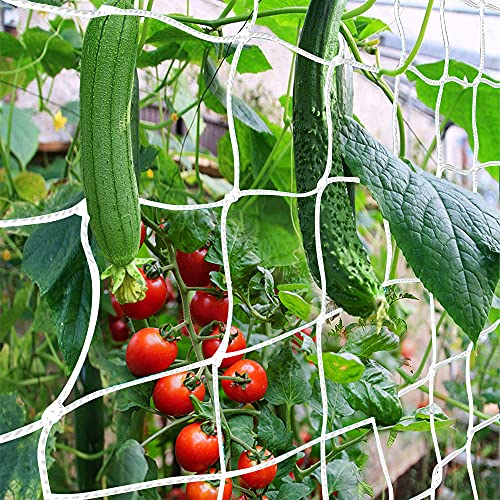
★【Reusable, High-quality, Versatile Trellis Netting】Soft, yet heavy-duty, this plant trellis netting helps plants cling to a smooth surface and will last a couple of years.

A Frame Trellis for Raised Beds: This cucumber trellis for raised garden bed uses a detachable A frame design to support vertical plant growth while saving garden space. The adjustable structure helps climbing vegetables get more sunlight and keeps vines organized in raised beds, backyards, patios, and outdoor gardens.
Planting Green Beans in the Right Location
When planting green beans, you want to choose a location that receives full sun, at least 6-8 hours a day. Green beans thrive in warm soil, so make sure to plant them after the last frost date in your area.
Consider soil quality – green beans prefer well-draining soil rich in organic matter. Loam or sandy loam soil types are ideal for their growth.
Ensure there’s enough space for the green bean plants to climb and spread out. Plant them in rows or blocks, giving them at least 4-6 inches of space between each plant.
For container planting, choose pots that are at least 12 inches deep. Ensure the containers have drainage holes to prevent waterlogged soil, which can lead to root rot.
Remember to water your green beans regularly, keeping the soil consistently moist but not waterlogged. Mulching around the plants can help retain moisture and suppress weeds.
Lastly, consider planting companion plants like carrots, cucumbers, or radishes near your green beans to benefit from their mutually beneficial relationships, such as repelling pests or providing shade.
| Green Beans Planting Tips |
|---|
| Full Sun: 6-8 hours daily |
| Warm, well-draining soil |
| Space: 4-6 inches apart |
| Container: 12 inches deep |
| Companion plants for benefits |
Providing Adequate Water and Fertilizer
To ensure your green beans thrive and climb successfully, it’s crucial to provide them with adequate water and fertilizer. Here are some essential tips for maintaining the health and vigor of your green bean plants:
- Watering: Keep your green beans consistently moist, especially during dry periods. Water the plants at the base in the morning to prevent fungal diseases.
- Mulching: Apply a layer of mulch around the base of the plants to retain moisture, suppress weeds, and regulate soil temperature.
- Fertilizing: Use a balanced fertilizer that is higher in potassium and phosphorus to promote flowering and fruiting. Apply the fertilizer according to the package instructions.
| Watering Frequency: | Every 1-2 inches per week |
|---|---|
| Fertilizing Schedule: | Every 3-4 weeks |
Recommended Products

🫘 FORMULATED FOR ALL GREEN BEAN VARIETIES – Gardenera LIQUID POWER Green Beans Fertilizer supports explosive vine growth, flowering, and crisp pod production for bush beans, pole beans, string beans, and snap beans.
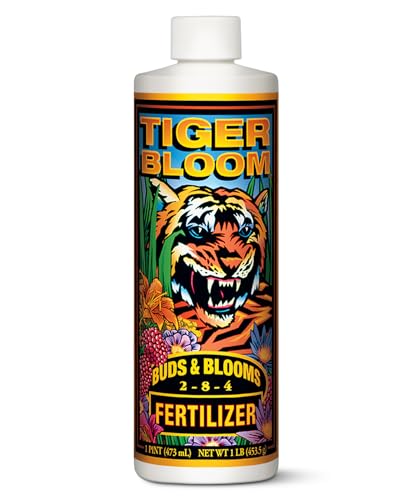
THRIVING BUDS AND BLOOMS: Our buds and blooms fertilizer is specially designed to support abundant fruit, flower, and bud development

General Purpose 20-20-20 Nitrogen Phosphorus and Potassium Elemental Universal Water Soluble Flower Plant Fertilizer fruits vegetables to promote plant rooting germination flowering and fruiting
Training Green Beans to Climb
To encourage green beans to climb effectively, you’ll need to provide them with the right support and guidance. Here’s how you can train your green beans to climb:
- Set up a Support System: Install trellises, stakes, or fences near your green bean plants to give them something to climb on.
- Guide the Vines: Gently direct the bean vines towards the support structure as they grow.
- Secure the Vines: Use soft twine or plant ties to secure the vines to the support structure without damaging them.
- Regular Monitoring: Keep an eye on the vines and adjust their position as needed to ensure they are growing upwards.
By following these steps, you can help your green beans climb effectively and maximize their growth potential.
Dealing with Common Pests and Diseases
Dealing with pests and diseases is essential to protect your green beans and ensure they thrive. Here are some common issues you may encounter and how to address them:
- Aphids: These tiny insects can suck the juices out of your green bean plants. To control aphids, spray your plants with a solution of mild soap and water.
- Spider Mites: These pests can cause yellow stippling on leaves. Keep your plants well-watered and consider using insecticidal soap to combat spider mites.
- Powdery Mildew: This fungal disease appears as powdery white spots on leaves. Improve air circulation and avoid overhead watering to help prevent powdery mildew.
- Bean Rust: Look out for orangey-brown spots on leaves. Remove and destroy infected plant parts and consider using fungicides to prevent further spread.
By being proactive in identifying and addressing these common pests and diseases, you can safeguard your green beans and ensure they grow and climb with ease.
Recommended Products

PROVEN - 3rd party lab tested during a 12 month field test conducted in a multi-story govermnet facility and health facility

PEST DEFENSE - This product is designed to kill species of aphid, spider mite, ant, cricket, weevil, caterpillar, fly, thrip, silverfish & more.

3-IN-1 GARDEN CARE SPRAY - Earth’s Ally 3-in-1 Plant Spray is a ready-to-use botanical oil spray designed for indoor and outdoor plant care. The houseplant pest spray effectively kills and controls soft-bodied insects and common plant diseases with a synergistic blend of essential oils.
Conclusion
Now that you’re equipped with strategies to tackle pests and diseases that may hinder your green beans’ growth, you can ensure a thriving garden. By staying vigilant and promptly addressing any issues that arise, you’ll create an environment where your green beans can flourish and climb effortlessly. Remember, a little care and attention go a long way in nurturing your plants to reach their full potential. Happy gardening!
Frequently Asked Questions
What are some common pests and diseases that can affect green beans?
Green beans can be prone to pests like aphids and spider mites, as well as diseases such as powdery mildew and bean rust.
How can I address aphids on my green beans?
To tackle aphids, try spraying your green beans with a mixture of water and dish soap or using neem oil as a natural remedy.
What is a recommended method to combat spider mites on green beans?
For spider mites, rinse your green beans with a strong spray of water, making sure to target the undersides of the leaves where they often hide.
How should I tackle powdery mildew affecting my green beans?
Combat powdery mildew by ensuring proper air circulation around your green bean plants and applying a solution of water and baking soda to affected areas.
What steps can I take to address bean rust on my green beans?
To deal with bean rust, remove any infected leaves promptly and avoid overhead watering to help prevent the spread of the disease.
