


When you rent a place with a tiny patio the main challenge is adding plants without locking yourself into a setup you cannot change later.
I noticed early on that fixed containers often end up in the way once you start using the space for chairs or a small table.
Choosing planters that roll or lift easily lets you shift things around as the light moves or as seasons change.
It also means you can clear a path quickly when you need the patio for something else instead of working around heavy pots that stay put.
A few simple ideas like these have helped me keep the area usable while still having room for herbs and flowers I can take when the lease ends.
Put Your Planters on Wheels

One simple way to handle a small patio is to add wheels to your planters. It keeps things flexible so you can shift them for sun, shade, or just to open up space when you have people over. Renters like it because nothing stays fixed in one spot forever.
Look for a low metal frame with casters that slides under a regular pot. It works best on smooth surfaces like pavers or concrete. Keep the wheels locked most of the time so the planter stays steady.
Suitcase Planters on Wheels

One simple way to keep plants movable on a tiny patio is to plant them in an old suitcase. The built-in wheels and handle make it easy to roll the whole thing around when you need to chase the sun or clear space for guests.
This approach suits renters because nothing gets bolted down or left behind when you move. Add a liner and drainage holes so the suitcase lasts longer, then fill it with plants that trail over the edges. It works best on hard surfaces like concrete or tile where the wheels can roll freely.
Wheeled Carts For Moveable Planters

A rolling cart gives you a simple way to keep plants in a small space without locking them into one spot. You can shift the whole setup when you need room to walk or want to chase better light during the day.
This idea suits renters because nothing is fixed to the ground. Look for a sturdy cart with wheels that lock, then set metal or plastic pots on top and add a light trellis on the back if you want to grow anything that climbs.
Wheeled Planters Work Well on Tiny Patios

Many renters like the option to shift things around without much hassle. A large planter on a simple wheeled tray lets you roll it into better light or move it aside when you want more floor space.
This approach suits small balconies and patios where permanent placement rarely feels right. Keep the wheels sturdy and the tray slightly larger than the pot so it stays stable when you roll it over gravel or deck boards.
Rolling Carts Let You Rearrange Plants Easily

A rolling cart gives renters a simple way to keep plants handy without committing to a fixed spot. You can shift the whole group at once when you need the space for seating or want to follow the light.
This setup works best on small patios where floor space changes often. Load a few pots onto a basic metal cart and move it as needed instead of lifting each container by hand.
Rolling Planters Keep Small Patios Flexible

Wheeled planters let you rearrange a tiny patio without much effort. You can roll them into the sun when needed or shift them aside to make room for chairs, which helps when space is limited.
This works best for renters who cannot make permanent changes. Wooden crates or stacked pots with casters underneath give you that freedom while still letting you grow plenty of plants.
Planters On Stands Keep Things Flexible

Planters on stands work well when you need to move things around without digging or building anything permanent. A simple metal stand lifts the container off the ground, which helps with drainage and makes it easier to shift the whole setup if you want a different layout later.
This approach suits renters with small patios or balconies because the planters stay portable. Look for lightweight stands or ones with wheels so you can rearrange them as seasons change or when you need more space for seating.
Wheeled Planters For Tiny Patios

Putting planters on wheels gives renters a simple way to move things around without much effort. On a small balcony, this means you can shift the whole setup when you need more space for seating or want to catch better light during different parts of the day.
The approach works best when the containers are sturdy enough to hold soil and plants without tipping. Many people start with a basic wooden box on casters and add a few smaller pots nearby so the arrangement stays easy to adjust over time.
Planters on Wheels

Planters on wheels make it simple to shift things around when space is tight. Renters often need to move plants for sun, shade, or even when they need to clear the area for other uses. A wooden crate or a stack of pots on a low rolling base can handle that without much effort.
This setup works especially well on small patios or entry spots where you cannot dig in permanent beds. Just check that the wheels are sturdy enough for the weight once the soil and plants are added, and choose containers that will not tip when rolled.
Tiered Stands Let You Shift Plants Around Easily
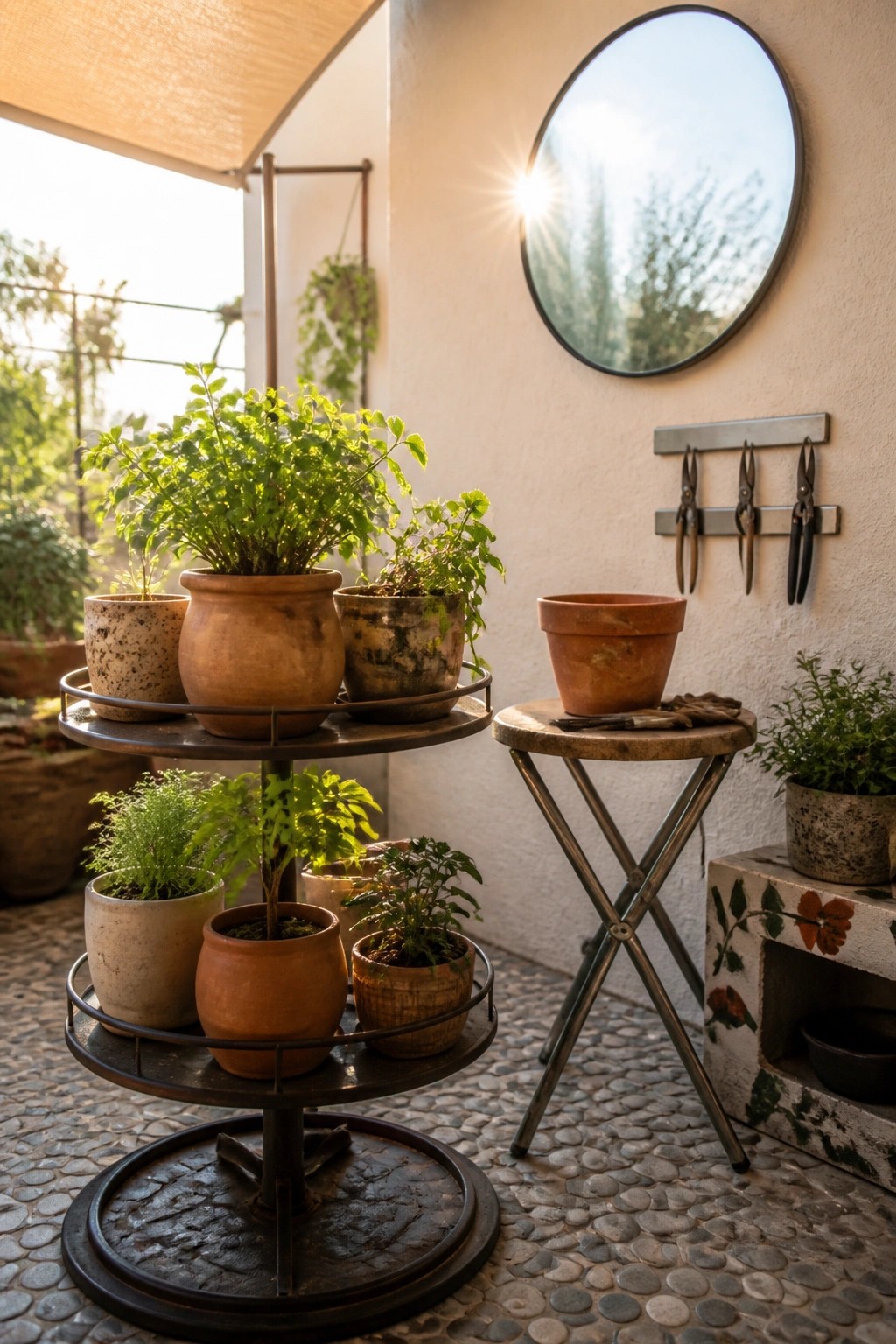
A tiered stand keeps several pots together without spreading them across the whole patio. It works because the levels make use of vertical space and the whole unit can move when you need to sweep or rearrange.
Renters with small patios find this handy since the stand stays light enough to shift on its own. Place a mix of plant sizes on it and roll the stand to a new spot whenever the light changes or you want a different view.
Rolling Benches Keep Tiny Patios Flexible
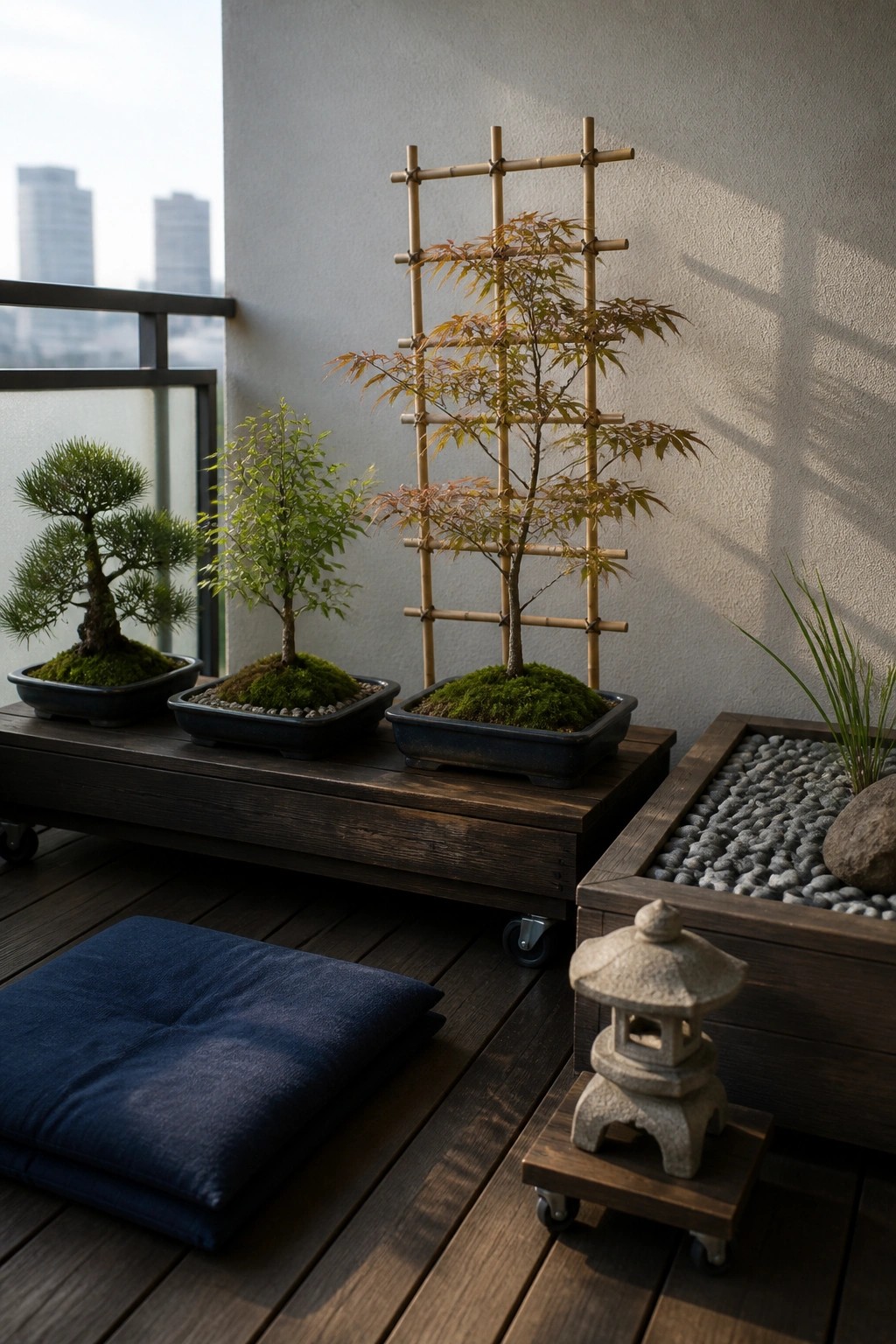
Many renters find that setting planters on rolling benches makes a small patio far more practical. You can shift the whole group when you need floor space for a chair or want to catch better light without lifting heavy pots.
This setup suits balconies and compact decks where fixed arrangements quickly feel cramped. Choose sturdy wheels that can handle the weight and lock when needed so nothing drifts on sloped surfaces.
Rolling Ladder Planters For Small Patios

A ladder planter on wheels gives renters a simple way to add vertical planting without taking up much floor space. The tiers let you stack several pots or baskets in one spot, and the wheels make it easy to shift the whole thing when you need to clean or rearrange.
This setup works best on balconies or tiny patios where permanent beds are not an option. Keep the ladder light so it stays easy to move, and choose baskets that drain well to avoid water damage on rental surfaces.
Repurpose Old Furniture For Rolling Planters

One simple way to add plants to a tiny patio is to turn an old cabinet into a planter that rolls. The drawers give you separate planting spots, and the wheels let you shift everything around when you need more space or want to chase the sun.
This works well for renters because nothing gets attached to the floor or walls. Drill a few drainage holes in the bottom of each drawer, add a layer of gravel, and fill with soil. It stays practical as long as the piece is sturdy enough to handle the weight once it is full.
Planters On Wheels

Many renters like the idea of moving plants around without lifting heavy pots every time. Wheels let you shift things for sun, shade, or extra floor space when you need it.
This setup works best on tiny balconies or patios where the layout has to change often. Look for casters that lock in place and choose sturdy dollies for bigger barrels or crates so nothing tips when you roll it.
Frequently Asked Questions
Q: How do I keep water from dripping onto the patio below when I move things around?
A: Line each planter with a shallow tray before you add soil. The tray catches runoff and makes cleanup simple. Empty it every few days during wet weather.
Q: Will the planters get too heavy to shift when I want a new layout?
A: Build them on a base with locking casters from the start. Roll them into place and lock the wheels so they stay put. Test the setup empty first to confirm it moves the way you expect.
Q: Which plants hold up if I rearrange the pots often?
A: Go with compact herbs or succulents that recover quickly from a bit of jostling. They need less water overall and stay healthy even after a move. Group ones with matching light needs so nothing gets stressed.
