

Growing cucumbers in a container is an effective way to enjoy fresh produce even in limited spaces. To achieve this, select a suitable container, use quality soil, and provide adequate support for the plants. Following these steps ensures a fruitful harvest.
Choosing the Ideal Container for Cucumbers
Choosing the appropriate container is crucial for successful cucumber growth. A large container with a minimum capacity of 5 gallons is ideal. This allows ample space for root development. Consider using materials like plastic or ceramic, which retain moisture effectively. Ensure the container has drainage holes to prevent waterlogging.
Optimal Container Sizes for Cucumbers
Choosing the right container size is crucial for successful cucumber growth in limited spaces. Cucumbers require ample room for their roots to spread and thrive, making the selection of an appropriate container essential. This section will explore the optimal container sizes that support healthy cucumber plants, ensuring a bountiful harvest.
| Container Size | Ideal Number of Plants | Benefits |
|---|---|---|
| 5 gallons | 1 | Good for small varieties |
| 10 gallons | 2 | Better for larger varieties |
| 15 gallons | 3 | Ideal for multiple plants |
Use Quality Soil for Optimal Growth
Using quality soil is essential for growing cucumbers in containers, as it directly impacts their health and productivity. The right soil mix not only provides necessary nutrients but also ensures proper drainage and aeration. Understanding the importance of soil composition can significantly enhance your cucumber-growing experience and yield.
The soil you choose directly impacts the health of your cucumber plants. A well-draining potting mix enriched with organic matter is essential.
This mix retains moisture while providing necessary nutrients. You can also add compost to enhance soil fertility.
Container Soil Mix for Cucumbers
Creating the right soil mix is crucial for growing healthy cucumbers in containers. A well-balanced blend not only provides essential nutrients but also ensures proper drainage and aeration. Understanding the specific components that contribute to an ideal soil mix will set the foundation for a successful cucumber harvest.
Mix potting soil with compost in a 2:1 ratio.
Fill the container, leaving about an inch of space at the top.
Moisten the soil before planting seeds or seedlings.
Supporting Vining Cucumbers with Trellises
Cucumbers are climbing plants that require support to grow effectively. Installing a trellis or using stakes will help the vines climb, promoting better air circulation and sunlight exposure. This also keeps the fruit off the ground, reducing the risk of rot.
Container Cucumber Support Structures
Growing cucumbers in containers can be rewarding, but providing the right support is crucial for their success. This section explores effective support structures that not only maximize space but also promote healthy growth and easy harvesting. Discover the best techniques to ensure your container cucumbers thrive and produce a bountiful crop.
| Support Type | Material | Height |
|---|---|---|
| Trellis | Wood or metal | 5-6 feet |
| Stakes | Bamboo or metal | 4-5 feet |
| Cages | Wire or plastic | 3-4 feet |
Cucumber Container Watering and Fertilizing Strategies
Consistent watering is vital for cucumber growth. Aim to keep the soil consistently moist but not soggy. Use a drip irrigation system or water by hand to ensure even moisture distribution. Fertilizing every two weeks with a balanced liquid fertilizer will support healthy growth.
Container Cucumber Watering Frequency
Understanding the right watering frequency is crucial for cultivating healthy cucumbers in containers. This section delves into the specific needs of container-grown cucumbers, highlighting the balance between moisture retention and drainage. By following these expert tips, you can ensure your plants thrive and produce a bountiful harvest.
Frequency: Water every 2-3 days during dry spells.
Amount: Ensure 1-2 inches of water per week.
Cucumber Pest and Disease Control Strategies
Growing cucumbers in containers can be rewarding, but it also presents unique challenges, particularly when it comes to pests and diseases. Understanding effective control strategies is crucial for maintaining healthy plants and ensuring a bountiful harvest. This section delves into practical methods to protect your cucumbers from common threats while thriving in a confined space.
Cucumbers are susceptible to various pests and diseases. Regular monitoring is essential to catch issues early.
Common pests include aphids and cucumber beetles. Implementing organic pest control methods can mitigate damage.
Recommended Products

PEST DEFENSE - Insecticidal Super Soap controls species of adelgid, ant, aphid, borer, caterpillar, spider mite, cricket, chinch bug, weevil, fly, thrip, & more.
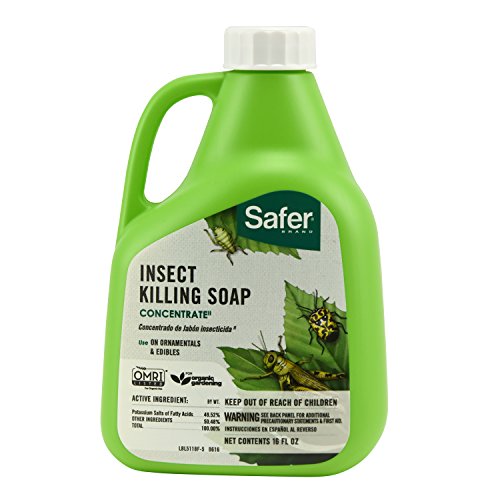
GENTLE ON MOST PLANTS - This aphid spray is ideal for use on flowers, herbs, vegetables, houseplants, lawn, tree, shrubs, and more

KILLS AND REPELS INSECTS - Knockdown common insects including spider mites, aphids, whiteflies, mealybugs, leafrollers, scale, thrips, cucumber beetle, carrot rust fly, earwig, tomato hornworm, Colorado potato beetle with a safe and effective all-purpose plant care solution.
Insecticidal Soap for Aphid Control
Aphids can be a significant threat to your container-grown cucumbers, often leading to stunted growth and reduced yields. Using insecticidal soap is an effective and eco-friendly method to manage these pests. This section will guide you through the process of applying insecticidal soap to protect your cucumber plants and ensure a healthy harvest.
Insecticidal soap for aphids.
Neem oil for beetles.
Companion planting with marigolds to deter pests.
Cucumber Harvest Timing and Techniques
Understanding the optimal timing and techniques for harvesting cucumbers is crucial for maximizing yield and flavor. This section delves into the signs that indicate when your cucumbers are ready to be picked, along with the best practices for harvesting to ensure a bountiful and delicious crop. Mastering these aspects will enhance your container gardening experience.
Knowing when and how to harvest cucumbers is key to enjoying their best flavor. Cucumbers should be harvested when they are firm and green. Avoid letting them become too large, as this can affect taste and texture.
Cucumber Harvesting Best Practices
Successfully harvesting cucumbers requires attention to timing and technique to ensure the best flavor and texture. Understanding when to pick your cucumbers and how to handle them can significantly impact your overall yield and satisfaction. This section will guide you through the best practices for harvesting cucumbers grown in containers.
Check size regularly, aiming for 6-8 inches in length.
Use sharp scissors or pruning shears to cut the fruit.
Handle gently to avoid damaging the plant.
Container Cucumber Care Tips for Success
Growing cucumbers in containers can yield a bountiful harvest with the right care. This section offers expert tips on watering, fertilizing, and managing pests to ensure your container garden thrives. By following these guidelines, you can cultivate healthy, delicious cucumbers even in limited space.
Cucumbers thrive with proper care and attention. Monitor soil moisture, provide adequate sunlight, and keep an eye out for pests. Regularly check the plants for signs of stress or disease.
Avoid overcrowding plants to ensure adequate airflow and sunlight exposure.
