

Growing a honeydew melon from seed typically takes about 80 to 90 days from planting to harvest. This timeline can vary based on environmental conditions and care practices. Understanding the growth stages and requirements will help ensure a successful crop.
Honeydew Melon Gardening Supply Essentials
Successfully growing honeydew melons from seed requires the right gardening supplies to ensure optimal conditions. This section outlines the essential tools and materials you’ll need to cultivate healthy plants, from soil and fertilizers to planting containers and watering equipment. Understanding these essentials will set you on the path to a fruitful harvest.
Before starting your honeydew melon garden, gather essential supplies. Having the right tools and materials will streamline the planting and growing process. Here’s a checklist of what you need:
| Item | Purpose |
|---|---|
| Honeydew seeds | Source of your melons |
| Seed-starting trays | For germinating seeds |
| Potting soil | Provides nutrients for seedlings |
| Watering can | For consistent moisture |
| Fertilizer | Enhances growth during key stages |
| Mulch | Retains moisture and suppresses weeds |
| Garden stakes | Supports the growing plants |
Recommended Products

Beautiful - Large individual packet of Green Honeydew Melon (Cucumis melo) seeds. Grow an abundant harvest of sweet melons. Each plant grows vigorously and produces 2-4 melons. Minimum of 1.5g per packet (about 50 seeds).
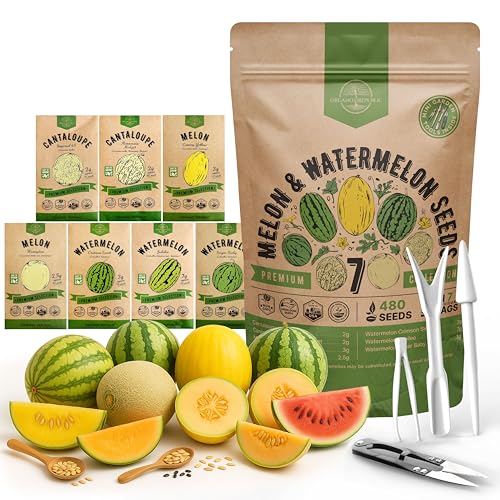
Gardening Kit: 7 Melon & Watermelon Seeds Variety Pack NON GMO Heirloom Seeds LESS THAN $2.00 PER SEED VARIETY PACK 480+ seeds including: Cantaloupe Imperial, Cantaloupe Minnesota Midget, Melon Canary Yellow, Melon Honeydew, Watermelon Crimson Sweet, Watermelon Jubilee, Watermelon Sugar Baby.
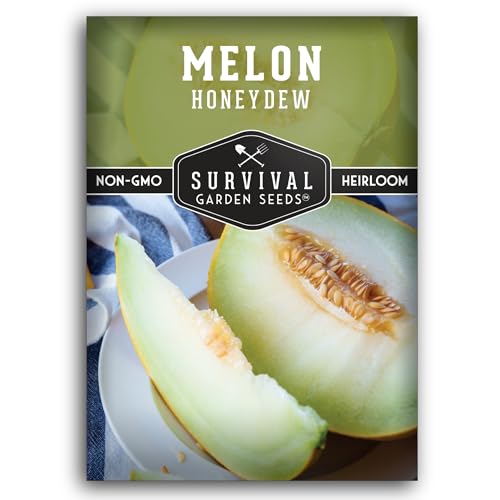
REFRESHINGLY SWEET MELONS – Classic honeydew flavor with smooth light green flesh that’s juicy and fragrant for sweet summer enjoyment straight from your own home garden vines
Garden Bed Preparation for Honeydew Melons
Preparing your garden bed is crucial for successfully growing honeydew melons from seed. The right soil conditions, spacing, and sunlight exposure can significantly impact the growth and yield of your melons. This section will guide you through the essential steps to create an optimal environment for your honeydew plants.
Preparing your garden bed is crucial for successful honeydew melon growth. Choose a location that receives full sun for at least six hours daily. The soil should be well-draining and rich in organic matter.
Test soil pH: Aim for a pH between 6.0 and 6.8.
Amend soil: Add compost or well-rotted manure to improve fertility.
Clear debris: Remove weeds and rocks from the planting area.
Wear gloves: Protect your hands from soilborne pathogens.
Honeydew Melon Planting and Care Techniques
Successfully growing honeydew melons from seed requires careful attention to planting and care techniques. Understanding the specific needs of these plants, including soil type, watering schedules, and sunlight exposure, is essential for nurturing healthy growth and maximizing fruit yield. This section will provide detailed guidance on how to effectively cultivate honeydew melons from the ground up.
Planting honeydew melons requires attention to detail. Follow these steps to ensure optimal growth:
Start seeds indoors: Plant seeds 1 inch deep in seed-starting trays about 4-6 weeks before the last frost.
Transplant seedlings: Move seedlings outdoors when they have at least two true leaves and nighttime temperatures remain above 60°F.
Space plants: Plant seedlings 18-24 inches apart in rows 4-6 feet apart.
Water regularly: Keep soil consistently moist but not waterlogged.
Apply fertilizer: Use a balanced fertilizer every 4-6 weeks during the growing season.
Recommended Products

EASIER SEED STARTING: Our Burpee SuperSeed tray with 36 flexible pop-out cells is designed to simplify indoor seed starting for all your favorite vegetables, flowers and herbs. Just add seed starting mix, seeds, water and light to get growing! Rows are labeled alphanumerically for seedling identification with included Plant-o-Gram diagram. Tray dimensions: 11.5" x 10-3/8" x 2-1/4"

EASIER SEED STARTING: Our Burpee SuperSeed tray with 16 extra-large flexible pop-out cells is designed to simplify indoor seed starting. Just add seed starting mix, seeds, water and light to get growing! Rows are labeled alphanumerically for seedling identification with included Plant-o-Gram diagram.

【Biodegradable Material】The seed trays are crafted from environmentally friendly materials, ensuring sustainability from seed to harvest
Honeydew Melon Growth Problem Diagnosis
Growing honeydew melons from seed can be a rewarding endeavor, but various issues may arise during the process. Understanding the common growth problems can help you identify and address them effectively, ensuring a healthy crop. This section explores the typical challenges faced when cultivating honeydew melons and offers diagnostic insights to enhance your gardening success.
Identifying problems early can save your honeydew crop. Here’s a quick-look table for common symptoms and their causes.
| Symptom | Primary Suspect | Difficulty (1-5) |
|---|---|---|
| Yellowing leaves | Nutrient deficiency | 2 |
| Wilting plants | Underwatering or disease | 3 |
| Cracked melons | Irregular watering | 4 |
| Poor fruit set | Inadequate pollination | 3 |
Recommended Products

100% ORGANIC AND NON-GMO: There's no need to worry about intoxicants that may hinder your plant's growth because the Back to the Roots Seed Bundle is completely organic and not genetically modified
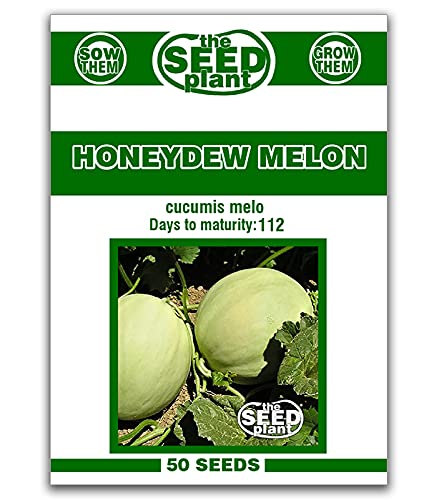
Packaged for envelope delivery.

No matter how hot your summers get or how long they remain, Snow Mass can take it. Specially adapted to grow in hot, long-summer climates, this mid-sized honeydew also boasts some of the sweetest flavor to be found in the family. An all-around superb performer, it belongs in your vegetable patch this season.
Identifying Honeydew Growth Issues
Growing honeydew melons can be a rewarding endeavor, but various factors can hinder their development. This section focuses on identifying common growth issues that may arise during the cultivation process, helping you troubleshoot effectively and ensure a bountiful harvest. Understanding these challenges is essential for nurturing healthy plants and achieving optimal fruit production.
Understanding the root causes of issues helps in effective resolution. Common problems include:
Nutrient deficiency: Yellowing leaves often indicate a lack of nitrogen or other nutrients.
Water issues: Wilting can result from either too much or too little water.
Pollination failure: Poor fruit set may occur if pollinators are scarce.
Step-by-Step Fix for Common Issues
Growing honeydew melons from seed can be a rewarding experience, but various challenges may arise during the process. This section provides a step-by-step guide to diagnosing and addressing common issues that can hinder the growth of your honeydew melons, ensuring you can cultivate a healthy and fruitful crop.
Addressing problems promptly is essential for recovery. Follow these steps:
Adjust watering: Ensure consistent moisture without over-saturation.
Fertilize appropriately: Use a nitrogen-rich fertilizer if leaves turn yellow.
Encourage pollinators: Plant flowers nearby to attract bees and other pollinators.
Honeydew Melon Harvest Timing Indicators
Understanding when to harvest honeydew melons is crucial for ensuring optimal flavor and texture. This section outlines key indicators that signal when your melons are ready for picking, helping you achieve the best results from your gardening efforts. By paying attention to these signs, you can enjoy the sweet rewards of your hard work.
Knowing when to harvest is critical for flavor and texture. Honeydew melons are ready for harvest when:
The skin turns from green to a creamy yellow.
The stem begins to dry out and turn brown.
The fruit feels slightly soft when gently pressed.
Overripe Honeydew Melon Identification Tips
Identifying an overripe honeydew melon is crucial for ensuring the best flavor and texture. This section provides clear tips for recognizing the signs of overripeness, helping you avoid disappointment and enjoy the sweet, juicy taste that honeydew is known for. Understanding these indicators will enhance your overall experience with this delightful fruit.
Overripe melons can develop an unpleasant taste and texture. Check regularly as the harvest time approaches to avoid this issue.
Post-Harvest Honeydew Handling and Enjoyment
After successfully growing honeydew melons from seed, proper post-harvest handling is essential to maximize their flavor and shelf life. This section will explore the best practices for storing and enjoying your melons, ensuring that you savor every sweet bite while also maintaining their quality for as long as possible.
After harvesting, handle your melons with care. Store them in a cool, dry place. Enjoy your homegrown honeydew in salads, smoothies, or as a refreshing snack.
