Close Menu
    Veggie Knowledge
    • Home
    • Growing Vegetables
      • Beets
      • Broccoli
      • Carrots
      • Cucumber
      • Green Beans
    • Tips and Advice
    • Free eBook
    • About
      • Contact
      • Privacy Policy
    Veggie Knowledge
    Home»Growing Vegetables»How to Grow Creeping Thyme From Seeds: Simple Steps for Success
    Growing Vegetables

    How to Grow Creeping Thyme From Seeds: Simple Steps for Success

    MindyBy MindyApril 15, 20264 Mins Read
    Facebook Twitter Pinterest LinkedIn Tumblr WhatsApp VKontakte Email
    Share
    Facebook Twitter LinkedIn Pinterest Email

    Growing Creeping Thyme from seeds is straightforward and rewarding. Start by preparing your soil and selecting the right seeds for optimal growth. Following these steps ensures a thriving garden of this aromatic ground cover.

    Contents show
    1 Creeping Thyme Planting Supply Checklist
    2 Soil Preparation for Creeping Thyme Seeds
    3 Creeping Thyme Seed Sowing Precision
    4 Optimal Conditions for Creeping Thyme Germination
    5 Transplanting Creeping Thyme Seedlings Outdoors
    6 Maintain Your Creeping Thyme Garden
    7 Troubleshoot Common Growing Issues

    Creeping Thyme Planting Supply Checklist

    Before planting Creeping Thyme seeds, gather necessary supplies to ensure a successful growth process. You will need seed trays or pots, quality potting soil, water, and a light source if starting indoors. Make sure to choose seeds from a reputable supplier to increase germination rates.

    Supply ItemPurpose
    Seed traysFor seed starting
    Potting soilProvides nutrients
    Watering canFor consistent moisture
    Grow lightSupports indoor growth

    Recommended Products

    20000+ Creeping Thyme Seeds (Thymus Serpyllum), Ground Cover Seeds, Fragrant Lawn Alternative for Garden, Paths & Landscaping (10g / 0.35 oz)
    20000+ Creeping Thyme Seeds (Thymus Serpyllum), Ground Cover Seeds, Fragrant Lawn Alternative for Garden, Paths & Landscaping (10g / 0.35 oz)

    🌱 High Germination Ground Cover Seeds – Create a lush green carpet for paths, patios, and empty garden spaces.

    VIEW LATEST PRICE

    As an affiliate, we earn on qualifying purchases.

    KVITER 20,000 Creeping Thyme Seeds (Thymus Serpyllum) – Wild Thyme, Aromatic Ground Cover, Purple Perennial Flower Seed Packets – Great Non GMO Herb Seeds for Outdoor Garden, Landscapes & Paths
    KVITER 20,000 Creeping Thyme Seeds (Thymus Serpyllum) – Wild Thyme, Aromatic Ground Cover, Purple Perennial Flower Seed Packets – Great Non GMO Herb Seeds for Outdoor Garden, Landscapes & Paths

    High Germination Rate: These Creeping Thyme seeds reach up to 90% germination under optimal conditions. Ideal perennial creeping thyme seed for USDA zones 4–9, average growing 4 inches tall.
    VIEW LATEST PRICE

    As an affiliate, we earn on qualifying purchases.

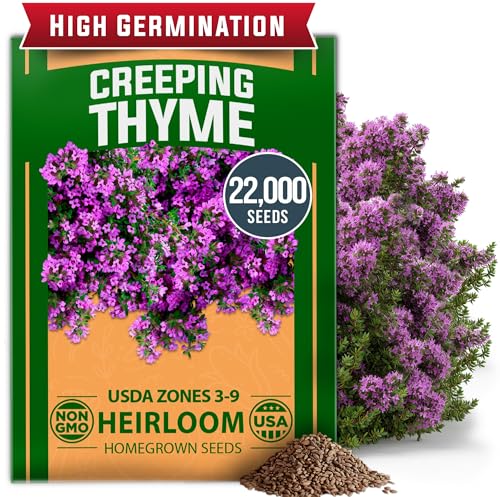
    HOME GROWN Purple Creeping Thyme Seeds Non-GMO Ground Cover Flowers 22000+ Edible Herb Seeds for Planting Lawns & Paths 3g Perennial Thymus serpyllum
    HOME GROWN Purple Creeping Thyme Seeds Non-GMO Ground Cover Flowers 22000+ Edible Herb Seeds for Planting Lawns & Paths 3g Perennial Thymus serpyllum

    GROW A LUSH, AROMATIC GROUND COVER WITH EASE – Creeping thyme (Thymus serpyllum) seeds germinate in just 14–21 days, making them ideal for beginners. This resilient herb requires minimal maintenance—simply sow, water lightly, and watch your garden transform with natural fragrance and rich texture.

    MUST READ:  How to Grow Garlic in a Growbed Outdoors: Master the Basics
    VIEW LATEST PRICE

    As an affiliate, we earn on qualifying purchases.

    Soil Preparation for Creeping Thyme Seeds

    Preparing the soil is crucial for Creeping Thyme seeds. The soil should be well-draining and rich in nutrients. Mix in some sand or perlite to improve drainage. Test the pH level; it should ideally be between 6.0 and 8.0 for optimal growth.

    1. Choose a location with full sun exposure.

    2. Loosen the soil to a depth of at least 12 inches.

    3. Incorporate organic matter to enrich the soil.

    Creeping Thyme Seed Sowing Precision

    Sowing Creeping Thyme seeds requires precision. Start by filling your seed trays with the prepared soil, leaving a small gap at the top. Sprinkle the seeds evenly over the surface and lightly press them into the soil. Cover with a thin layer of soil, no more than 1/8 inch deep.

    1. Water gently to avoid displacing seeds.

    2. Label your trays with the date and seed type.

    3. Maintain moisture without overwatering.

    Optimal Conditions for Creeping Thyme Germination

    Creating the right environment is crucial for successfully germinating creeping thyme seeds. This hardy herb thrives in specific conditions that promote robust growth and development. Understanding these optimal factors will set the foundation for a flourishing thyme garden.

    Creating the right environment is essential for seed germination. If starting indoors, place the trays under a grow light or in a sunny window. Keep the temperature between 65°F and 75°F for best results.

    • Monitor moisture levels regularly.

    • Use a humidity dome to retain moisture initially.

    • Remove the dome once seedlings emerge.

    MUST READ:  How to Grow the Best Peppers: Expert Secrets Revealed

    Recommended Products

    29000+ Magic Creeping Thyme Seeds for Planting Perennial Ground Cover Plants Thymus Serpyllum Seed Heirloom Flowers Carpet Creeping Thyme for Stepping Stones & Outdoor
    29000+ Magic Creeping Thyme Seeds for Planting Perennial Ground Cover Plants Thymus Serpyllum Seed Heirloom Flowers Carpet Creeping Thyme for Stepping Stones & Outdoor

    Quality Seed: Creeping thyme is a popular and adaptable dwarfing ground cover popular in landscaping. It is often used as a border between flower beds and between paving stones on sidewalks.

    VIEW LATEST PRICE

    As an affiliate, we earn on qualifying purchases.

    20000+Creeping Thyme Seeds for Planting Outdoor-Heirloom Thymus Serpyllum Ground Cover Plants Plant in Your Home Garden
    20000+Creeping Thyme Seeds for Planting Outdoor-Heirloom Thymus Serpyllum Ground Cover Plants Plant in Your Home Garden

    Planting breckland thyme creates a dense, soft green carpet that requires no mowing.

    VIEW LATEST PRICE

    As an affiliate, we earn on qualifying purchases.

    20000+ Creeping Thyme Seeds for Planting -Perennial Ground Cover Plants Flowers Non-GMO Heirloom (Purple)
    20000+ Creeping Thyme Seeds for Planting -Perennial Ground Cover Plants Flowers Non-GMO Heirloom (Purple)

    🌱 20,000+ Premium Creeping Thyme Seeds Each resealable pouch contains over 20,000 non-GMO, high-germination seeds—perfect for creating dense, colorful ground cover that enhances any garden or landscape.

    VIEW LATEST PRICE

    As an affiliate, we earn on qualifying purchases.

    Transplanting Creeping Thyme Seedlings Outdoors

    Transplanting creeping thyme seedlings outdoors is a crucial step in ensuring their successful establishment in your garden. Timing and technique play significant roles in helping these resilient plants thrive in their new environment. This section will guide you through the essential steps to make the transition smooth and effective.

    Once seedlings have developed a few sets of true leaves, they are ready for transplanting. Choose a well-drained garden area with full sun exposure.

    1. Harden off seedlings by gradually exposing them to outdoor conditions over a week.

    2. Space plants 12 to 24 inches apart to allow for spreading.

    3. Plant at the same depth as they were in the trays.

    MUST READ:  How Do You Grow Black Pepper? Pro Secrets for Success

    Maintain Your Creeping Thyme Garden

    Maintaining your creeping thyme garden is essential for ensuring its health and vibrancy. With proper care, this resilient ground cover can thrive, providing both beauty and functionality in your landscape. Discover the key practices that will help you nurture your creeping thyme and keep it flourishing throughout the seasons.

    After transplanting, maintaining your Creeping Thyme garden is essential. Water the plants regularly, especially during dry spells. Avoid overwatering, as this can lead to root rot.

    • Fertilize sparingly with a balanced fertilizer.

    • Prune back any dead or overgrown sections.

    • Watch for pests and treat accordingly.

    Troubleshoot Common Growing Issues

    Growing creeping thyme from seeds can be rewarding, but it often comes with challenges. Understanding potential issues that may arise during the cultivation process is essential for ensuring a healthy and thriving garden. This section addresses common problems and provides practical solutions to help you achieve success with your creeping thyme.

    Even with careful planning, issues may arise while growing Creeping Thyme. Common problems include poor germination, pests, and diseases.

    IssueSolution
    Poor germinationCheck seed viability and soil moisture
    PestsUse organic insecticides or neem oil
    Fungal diseasesEnsure proper air circulation and avoid overhead watering

    Growing Creeping Thyme from seeds can be a fulfilling gardening project. Follow these steps to ensure a successful and aromatic ground cover that enhances your garden’s appeal.

    Share. Facebook Twitter Pinterest LinkedIn Tumblr WhatsApp Email
    Previous ArticleHow to Grow Black Seeded Simpson Lettuce: Pro Secrets Revealed
    Next Article How to Grow Garlic in Oregon: 2026 Updated Regional Guide
    mindy newford
    Mindy
    • Website

    I’m Mindy, and I write for Veggie Knowledge when I’m not out there making a mess in my garden. I’ve got a background in environmental science, which sounds fancy, but mostly it means I geek out over dirt and compost way more than the average person. Been growing veggies for over 10 years now, ever since I planted my first tomato and watched it die ‘cause I forgot to water it for a month. Total rookie move. I’m still a bit of a chaotic gardener, but I love sharing what I’ve learned, like how to keep your plants alive and maybe even grow some food you can actually eat. My garden’s a jungle half the time, but I wouldn’t have it any other way.

    Related Posts

    Growing 440 Square Feet of Tomatoes: Expert Yield Information

    July 9, 2026

    Growing Greenhouse Tomatoes in Omaha: Regional Success Secrets

    July 9, 2026

    How to Grow Wild Lettuce: What the Manual Doesn’t Tell You

    July 9, 2026

    How to Grow Mint Indoors in Water (A Complete A-to-Z Guide)

    July 9, 2026
    Leave A Reply Cancel Reply

    Affiliate Disclosure

    As an Amazon Associate, I earn from qualifying purchases.

    Recommended Reading

    Growing 440 Square Feet of Tomatoes: Expert Yield Information

    Growing Vegetables

    Growing Greenhouse Tomatoes in Omaha: Regional Success Secrets

    Growing Vegetables

    How to Grow Wild Lettuce: What the Manual Doesn’t Tell You

    Growing Vegetables

    How to Grow Mint Indoors in Water (A Complete A-to-Z Guide)

    Growing Vegetables

    How Does a Garden Grow? (Complete A-to-Z Success Manual)

    Growing Vegetables

    How to Grow Carrots From Scraps: Simple Homeowner Hack

    Growing Vegetables

    How Long Does It Take to Grow Potatoes (2026 Updated Growing Guide)

    Growing Vegetables

    How to Grow Peppers in Florida: 2026 Updated Regional Guide

    Growing Vegetables
    How VeggieKnowledge.com Got Started

    We started this website to share our love of vegetables with the world, and to help people discover the many benefits of growing, cooking, and eating fresh and delicious vegetables.

    Got questions or comments? You can reach us at [email protected].

    Featured Articles

    10 Common Gardening Mistakes (and How to Avoid Them)

    How Much Sun Do Vegetables Really Need?

    Beginner’s Guide to Growing Vegetables: What to Know Before You Start

    Watering 101: How to Keep Your Plants Happy and Healthy

    The Best Vegetables for First-Time Gardeners

    Categories
    • Beets
    • Broccoli
    • Carrots
    • Cucumber
    • Green Beans
    • Tips and Advice
    Veggie Knowledge
    • Home
    • About
    • Contact
    • Privacy Policy
    • Affiliate Disclosure
    • Free eBook
    © 2026 Veggie Knowledge

    Type above and press Enter to search. Press Esc to cancel.