

Growing ghost peppers from seed can be rewarding, but many gardeners encounter common pitfalls that hinder their success. Proper preparation and care are essential to avoid issues such as poor germination and weak plants. This guide outlines effective strategies to cultivate ghost peppers successfully.
Essential Tools for Growing Ghost Peppers
Growing ghost peppers can be a rewarding yet challenging endeavor, especially for those new to gardening. To ensure a successful start, it’s crucial to have the right tools at your disposal. This section outlines the essential equipment and supplies needed to cultivate these fiery peppers effectively.
Before starting your ghost pepper journey, ensure you have the right gear. Proper tools and supplies can significantly impact your success. Here’s a checklist of essential items to gather:
| Item | Purpose |
|---|---|
| Seed trays | For starting seeds indoors |
| Seedling soil | Provides nutrients for young plants |
| Grow lights | Ensures adequate light for germination |
| Humidity dome | Maintains moisture levels |
| Fertilizer | Supports growth during various stages |
Investing in quality supplies will set a solid foundation for your plants.
Recommended Products

Non-GMO Seeds – Enjoy peace of mind with non-GMO Bhut Jolokia Ghost Pepper seeds. Proudly grown in the USA, these seeds bring healthy, natural goodness straight to your garden.
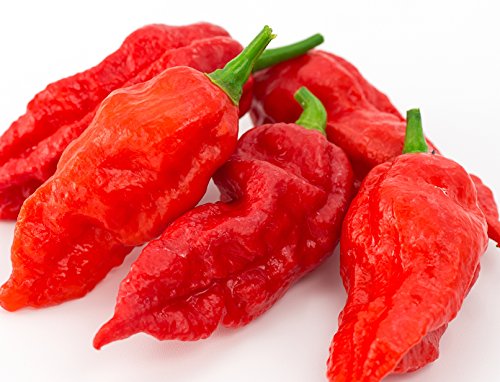
Wanna talk hot? How about 1,000,000 Scovile units of hot! That's about 300 times hotter than a Jalapeno pepper. The Ghost Pepper "Bhut Jolokia" originates in India and is reputed to be the hottest pepper in the world. The fruit start out green, turn yellow, and then red/chocolate at maturity. Fruit measure 2-3" in length and tend to have a bumpy texture.

Ideal Conditions for Ghost Pepper Seeds
Growing ghost peppers from seed can be a rewarding yet challenging endeavor. Understanding the ideal conditions for germination and growth is crucial to avoid common pitfalls. This section will outline the specific environmental factors that will help ensure your ghost pepper seeds thrive.
Creating the right environment is crucial for ghost pepper seeds. They thrive in warm conditions, ideally between 75°F and 85°F. Here are steps to prepare your space:
Select a location with consistent warmth and indirect sunlight.
Use a humidity dome over your seed trays to maintain moisture.
Monitor temperature with a thermometer to ensure optimal conditions.
A stable environment prevents stress on the seedlings and promotes healthy growth.
Recommended Products

Clear Plastic Dome for Protecting New Seedlings

Beautiful - Large premium packet of Ghost Pepper (Capsicum chinense) seeds. Also called Bhut Jolokia. Grow a ghost pepper, become a ghost! This dangerously hot pepper boasts up to 1,000,000 scoville units and once boasted the title of hottest pepper in the world. Perfect for thrill-seekers and spice aficionados who crave fiery flavors! Use care in planting and handling. Minimum of 300mg per packet (about 35 seeds).

Upgraded with Adjustable Ventilation - Gardzen seed starter tray has been newly upgraded with two air vents added to the top, allowing you to easily adjust the ventilation for optimal seed growth. Say goodbye to stagnant air and hello to thriving plants!
Successful Germination Techniques for Ghost Peppers
Germinating ghost pepper seeds can be a challenging but rewarding endeavor for any gardener. Understanding the specific conditions these seeds require is crucial to ensure successful sprouting. This section will explore effective techniques to enhance germination rates and help you avoid common pitfalls that can hinder your ghost pepper growing experience.
Germination is a critical phase in growing ghost peppers. Many gardeners make mistakes that lead to poor outcomes. Follow these steps for successful germination:
Fill seed trays with seedling soil and lightly moisten it.
Plant seeds about 1/4 inch deep in the soil.
Cover trays with a humidity dome to retain moisture.
Place trays in a warm area, ensuring they receive light.
Monitor moisture levels closely. Overwatering can lead to rot, while underwatering can hinder germination.
Avoid Common Mistakes in Seedling Care
Growing ghost peppers from seed can be a rewarding endeavor, but it’s easy to make mistakes during the seedling stage that can hinder your plants’ growth. Understanding the common pitfalls in seedling care is essential for ensuring healthy development and maximizing your crop yield. This section will help you navigate those challenges effectively.
Once your seeds germinate, proper care is essential for healthy seedlings. Many gardeners overlook critical factors that can stunt growth. Here are common mistakes to avoid:
Neglecting light: Ensure seedlings receive 12-16 hours of light daily.
Overcrowding: Thin seedlings to prevent competition for nutrients.
Ignoring temperature: Keep seedlings in a warm environment, avoiding cold drafts.
Addressing these issues early can prevent long-term problems.
Transplanting Ghost Pepper Seedlings Effectively
Transplanting ghost pepper seedlings is a critical step in ensuring healthy growth and maximizing yield. This process requires careful attention to timing, soil conditions, and plant care to avoid common pitfalls. By following the right techniques, you can set your seedlings up for success in their new environment.
Transplanting is a pivotal moment in your ghost pepper cultivation. Proper techniques can ensure strong growth and development. Follow these steps:
Harden off seedlings by gradually exposing them to outdoor conditions over a week.
Choose a sunny spot in your garden or use large pots for container growth.
Transplant seedlings into the ground or pots, ensuring they are spaced at least 18 inches apart.
Water thoroughly after transplanting to help settle the soil.
Proper transplanting techniques reduce shock and promote robust growth.
Monitor and Maintain Your Ghost Peppers
Successfully growing ghost peppers requires careful monitoring and maintenance throughout their development. This section focuses on essential practices to ensure your plants thrive, including watering, nutrient management, and pest control. By staying attentive to these factors, you can avoid common pitfalls and cultivate a robust pepper harvest.
Ongoing care is vital for the health of your ghost peppers. Regular monitoring helps catch issues early. Focus on the following aspects:
Watering: Maintain consistent moisture without waterlogging the soil.
Fertilization: Use a balanced fertilizer every few weeks to support growth.
Pest control: Regularly inspect plants for pests and treat as needed.
Consistent maintenance leads to a bountiful harvest.
Ghost Pepper Growth Problem Solutions
Growing ghost peppers can be a rewarding yet challenging endeavor, especially for those new to cultivating hot peppers. Understanding common growth problems and their solutions is essential for ensuring a healthy crop. This section will address typical issues faced by growers and provide practical advice to help you achieve a successful ghost pepper harvest.
Even with careful planning, issues may arise during the growth of ghost peppers. Here are some common problems and their solutions:
| Issue | Solution | Difficulty Level (1-5) |
|---|---|---|
| Poor germination | Check seed viability and adjust moisture | 3 |
| Yellowing leaves | Adjust watering and check for pests | 4 |
| Stunted growth | Ensure adequate light and nutrients | 5 |
Identifying and addressing these problems promptly can save your plants.
Optimal Timing for Ghost Pepper Harvest
Understanding the optimal timing for harvesting ghost peppers is crucial for achieving the best flavor and heat. Timing can significantly impact the quality of your peppers, so it’s important to recognize the signs of ripeness. This section will guide you through the key indicators to watch for as your ghost peppers mature.
Timing is crucial when it comes to harvesting ghost peppers. Picking them at the right moment ensures optimal flavor and heat. Here’s how to know when to harvest:
Color: Look for a vibrant red or orange color.
Firmness: Peppers should feel firm to the touch.
Size: They should reach a mature size, typically 2-3 inches long.
Harvesting at the right time maximizes the quality of your peppers.
