

Growing radishes from seed is a straightforward process that can yield delicious results in a short time. With the right preparation and care, you can enjoy fresh radishes in as little as three to four weeks.
Radish Gardening Tools and Supplies Checklist
Before diving into the art of growing radishes, it’s essential to gather the right tools and supplies. This checklist will help beginners ensure they have everything needed for a successful gardening experience, from soil preparation to harvesting. Having the proper equipment on hand will set the foundation for a fruitful radish crop.
Before starting your radish garden, gather essential tools and supplies. Proper preparation ensures a successful planting experience. Here is a checklist of items you will need:
| Item | Purpose |
|---|---|
| Radish seeds | The primary planting material |
| Garden trowel | For digging and planting |
| Seedling trays | To start seeds indoors if desired |
| Watering can | To keep soil moist |
| Garden gloves | To protect your hands |
| Mulch | To retain moisture and suppress weeds |
Ensure you have all these items ready before you begin planting.
Garden Bed Setup for Radish Growth
Setting up the perfect garden bed is crucial for successful radish growth. This section will guide you through the essential steps to prepare your soil and create an optimal environment for your radish seeds. With the right setup, you’ll ensure healthy plants and a bountiful harvest.
Preparing your garden bed is crucial for healthy radish growth. Choose a location that receives full sun for at least six hours a day.
The soil should be well-draining and rich in organic matter. Follow these steps for proper preparation:
Clear the area of weeds and debris.
Loosen the soil to a depth of about 12 inches using a garden fork or tiller.
Mix in compost to enrich the soil with nutrients.
Level the soil to create an even surface.
Safety is important when gardening. Wear gloves to protect your hands from soil and potential irritants.
Radish Planting Best Practices
Growing radishes from seed can be a rewarding experience, especially for beginners eager to cultivate their own garden. Understanding the best practices for planting radishes is essential to ensure healthy growth and a bountiful harvest. This section will guide you through the key techniques to maximize your success with these fast-growing vegetables.
Planting radishes is a simple process that can be completed in a few steps. Follow this master execution plan for best results:
Sow seeds directly into the soil about ½ inch deep and 1 inch apart.
Cover the seeds lightly with soil and gently pat down.
Water the area thoroughly but avoid waterlogging.
Thin seedlings to 2-3 inches apart once they reach a few inches tall.
Radishes prefer cooler temperatures, so aim to plant them in early spring or fall.
Radish Growth Care Techniques
Successfully growing radishes requires attention to specific care techniques that ensure healthy plants and a bountiful harvest. From soil preparation to watering schedules, understanding these essential practices can significantly enhance your gardening experience. This section will guide you through the necessary steps to nurture your radishes from seed to maturity.
Once your radishes are planted, proper care is essential for their growth. Regular maintenance will ensure a healthy crop. Here are key care tips:
Water consistently to keep the soil moist but not soggy.
Apply mulch to retain moisture and suppress weeds.
Monitor for pests such as aphids and caterpillars. Use organic pesticides if necessary.
Radishes typically mature in 25 to 70 days depending on the variety.
Determining Optimal Radish Harvest Time
Knowing when to harvest radishes is crucial for achieving the best flavor and texture. This section will guide you through the signs of readiness, ensuring that your radishes reach their peak before being pulled from the ground. Understanding these indicators will help you enjoy a successful and rewarding gardening experience.
Knowing when to harvest is crucial for the best flavor and texture. Radishes should be harvested when they reach their mature size, which varies by variety. Here’s how to tell when they are ready:
Check the size of the radish above the soil.
Pull gently on the leaves to see if the radish comes out easily.
Taste test a few if unsure. They should be crisp and slightly spicy.
Be careful not to leave radishes in the ground too long, as they can become woody.
Common Radish Growth Problems and Solutions
Growing radishes can be rewarding, but beginners often encounter challenges along the way. Understanding common growth problems is essential for cultivating healthy plants and achieving a successful harvest. This section addresses typical issues faced by novice gardeners and offers practical solutions to ensure your radishes thrive.
Even with proper care, issues may arise during radish growth. Here are common problems and their solutions:
| Problem | Solution |
|---|---|
| Slow growth | Ensure adequate sunlight and water |
| Pest infestations | Use insecticidal soap or neem oil |
| Bitter taste | Harvest promptly to avoid over-maturity |
Addressing these issues quickly can help maintain a healthy crop.
Recommended Products
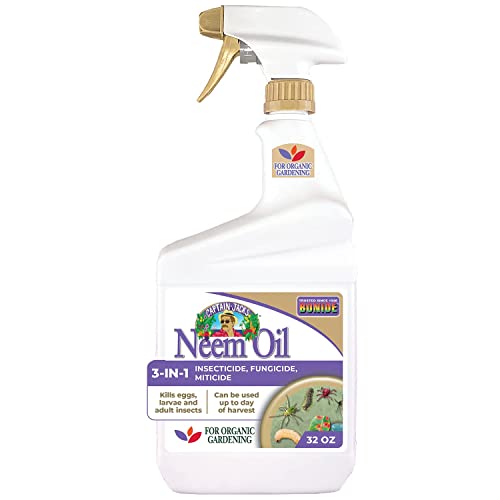
MULTI-PURPOSE BUG KILLER - Bonide Neem Oil is a perfect pest control solution for any garden dealing with mites, flies, mildew, and more. This product is a three-in-one fungicide, miticide, and insecticide.

PLANT DISEASE CONTROL: Natria Neem Oil acts as an insecticide and fungicide in one convenient spray; Ready-to-use trigger sprayer requires no mixing

Protect your oasis with Captain Jack’s Neem Max Ready-to-Use Spray; this multipurpose product acts as a 4-in-1 insecticide, fungicide, miticide and nematicide
Essential Tips for Thriving Radish Growth
Growing radishes can be a rewarding experience for beginners, but achieving a bountiful harvest requires attention to detail. This section offers essential tips that will help you cultivate healthy radishes, ensuring they thrive from seed to harvest. By following these straightforward guidelines, you can maximize your chances of success in your gardening endeavors.
To maximize your radish harvest, consider these additional tips:
Rotate crops each season to prevent soil depletion.
Try different varieties for varied flavors and textures.
Keep a gardening journal to track growth and conditions.
These practices will enhance your gardening experience and yield better results.
