

Have you ever wondered if you can just toss lettuce seeds directly into your garden and watch them grow? Many gardeners face the dilemma of whether to start seeds indoors or go the simpler route of direct sowing. If you’re looking to save time and effort while enjoying fresh lettuce, direct sowing might be the answer.
Key Takeaways
- Direct Sowing Simplified: Direct sowing lettuce seeds involves planting them straight into the garden soil, eliminating the need for indoor seed starting and transplanting.
- Optimal Conditions Required: Lettuce seeds thrive best in soil temperatures between 60°F and 70°F, with well-draining, nutrient-rich soil and a pH of 6.0 to 7.0 for vigorous growth.
- Advantages of Direct Sowing: Key benefits include time efficiency, faster germination, healthier plants, and cost-effectiveness as it reduces the need for transplanting tools and materials.
- Weather Considerations: Successful direct sowing hinges on favorable weather. Be mindful of local conditions, as cold or excessively hot temperatures can hinder germination and lead to bolting.
- Best Practices: Use loose soil with organic matter, sow seeds at appropriate depths and spacing, water gently, and thin seedlings to promote optimal growth and prevent overcrowding.
- Timing for Success: Plant lettuce seeds during late winter or early spring for the best results, ensuring to account for local frost dates to protect seedlings.
Overview of Direct Sowing Lettuce Seeds
Direct sowing lettuce seeds means planting them straight into the garden soil instead of starting them indoors. This method offers several advantages, fitting seamlessly into various gardening styles.
Benefits of Direct Sowing
- Time Efficiency: Direct sowing saves you time. You avoid the extra steps of transplanting seedlings.
- Immediate Growth: When you directly sow, seedlings enter the garden faster. They begin to grow in their final location.
- Healthier Plants: Plants may adapt better to their environment. They avoid transplant shock, leading to robust growth.
Ideal Conditions for Direct Sowing
- Temperature: Lettuce thrives best in cool weather. Ideal soil temperatures range between 65°F and 70°F.
- Soil Quality: Prepare well-draining soil rich in organic matter. Prioritize a pH of 6.0 to 6.8 for optimal growth.
- Sunlight: Position seeds in a location that receives partial to full sunlight. Too much heat can lead to bolting.
How to Direct Sow Lettuce Seeds
- Choose Your Variety: Select varieties based on your climate. Butterhead, romaine, and leaf lettuces fit various conditions.
- Prepare the Soil: Loosen the soil using a rake. Remove any rocks or debris. Enrich the soil by adding compost.
- Sow the Seeds: Plant seeds about 1/4 to 1/2 inch deep. Space them 4 to 6 inches apart for optimal airflow.
- Water Gently: Use a fine spray to moisten the soil. Keep the soil consistently damp but avoid waterlogging.
- Thin Seedlings: Once seedlings reach about 2 inches in height, thin them out to 8 to 12 inches apart. This promotes better growth and prevents overcrowding.
- Lettuce Needs Warm Weather: Lettuce grows best in cooler weather. Many varieties handle frost well.
- Direct Sowing Isn’t Possible in All Regions: You can direct sow in most climates. Adjust sowing times based on local frost dates.
By following these steps, you’ll enjoy the convenience and rewards of growing lettuce directly in your garden. Direct sowing is both effective and rewarding, allowing you to savor fresh lettuce throughout the growing season.
Benefits of Direct Sowing Lettuce Seeds
Direct sowing lettuce seeds offers several advantages that gardeners appreciate. These benefits include faster germination, cost-effectiveness, and better acclimatization of seedlings.
Faster Germination
Direct sowing seeds often leads to quicker germination compared to starting indoors. Seeds planted directly in the garden respond better to natural conditions. When soil temperatures are right, seeds germinate within 7 to 14 days, depending on the variety. For example, varieties like Butterhead typically sprout faster than Romaine. By sowing directly, you reduce the stress that can occur from transplanting, leading to more consistent growth.
Cost-Effective Method
Direct sowing minimizes costs associated with gardening. You avoid expenses related to seed trays, potting soil, and grow lights required for starting seeds indoors. This method allows you to invest those savings into quality seeds or additional gardening supplies. Additionally, fewer resources tend to waste since you plant only what you need for your garden space. With the right planning, you can enjoy a bountiful harvest without a significant financial investment.
Challenges of Direct Sowing Lettuce Seeds
Direct sowing lettuce seeds presents several challenges that gardeners need to consider for successful growth.
Recommended Products
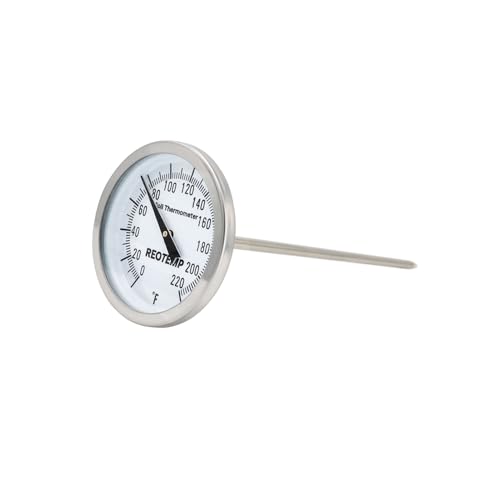
Corrosion Resistant 304 Stainless Steel Case, Bezel and 5" Stem
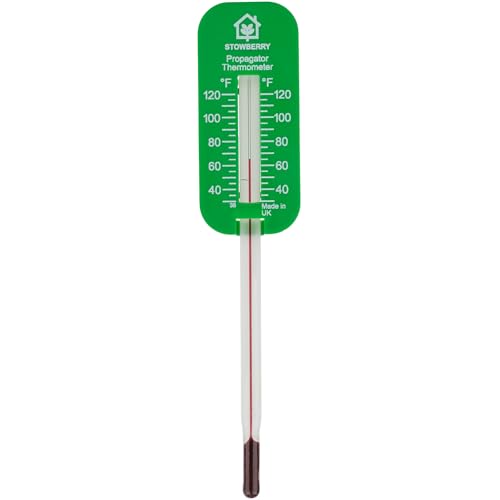
ACCURATE SOIL TEMPERATURE READINGS – Ensure the perfect growing environment for seeds and plants with this greenhouse soil thermometer, designed to give reliable and precise temperature measurements.
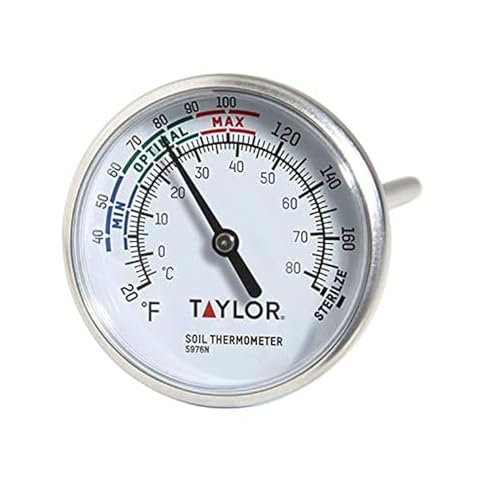
Measure soil temperature 2 inches below the surface
Weather Conditions
Weather conditions significantly impact the success of direct sowing. Lettuce seeds germinate best at soil temperatures between 60°F and 70°F. Cold weather may delay germination, while excessively hot temperatures can cause seeds to bolt or fail to sprout. You must check local forecasts and select a sowing date when the forecast indicates suitable weather. If temperatures fluctuate significantly during early planting, consider using row covers to shield seedlings from harsh conditions.
Soil Quality
Soil quality plays a crucial role in supporting direct sowing. Lettuce thrives in loose, nutrient-rich soil with good drainage. Compacted or poorly draining soils can hinder growth and lead to disease. Test your soil’s pH; ideally, it should fall between 6.0 and 7.0. Before planting, amend your soil with organic matter, such as compost, to enhance fertility and structure. You should also remove debris and stones from your planting area to create a smooth seedbed, ensuring better seed-to-soil contact for germination.
Best Practices for Direct Sowing Lettuce Seeds
Direct sowing lettuce seeds offers a straightforward approach to growing fresh greens. By following specific best practices, you can enhance your success and enjoy a bountiful harvest.
Recommended Products

NUTRIENT-RICH, NATURAL, AND ORGANIC SOIL: Grow a bountiful garden in your home with the Back to the Roots All-Purpose Natural and Organic Peat-Free 3-in-1 Seed Starting Mix, packed with the nutrients needed for your plants, flowers, and vegetables to thrive

Includes Back to the Roots Compressed Seed Starting Potting Mix that expands to 12qt of soil. A balanced pH, which means it’s truly all-purpose. Use alone or as an amendment for anything in a pot or in the ground — vegetables, flowers, herbs, and even starting seeds.

EASIER SEED STARTING: Our Burpee SuperSeed tray with 36 flexible pop-out cells is designed to simplify indoor seed starting for all your favorite vegetables, flowers and herbs. Just add seed starting mix, seeds, water and light to get growing! Rows are labeled alphanumerically for seedling identification with included Plant-o-Gram diagram. Tray dimensions: 11.5" x 10-3/8" x 2-1/4"
Ideal Soils and pH Levels
Use loose, well-draining soil for optimal lettuce growth. Soil that contains organic matter, such as compost, will provide essential nutrients. Aim for a pH level between 6.0 and 7.0. Test your soil using a simple pH test kit to ensure it’s within this range. If your soil is too acidic, add lime; if it’s too alkaline, incorporate sulfur. Consider mixing in fertilizers designed for vegetables, as they can boost nutrient availability.
Timing of Planting
Timing plays a crucial role in successful direct sowing. Plant lettuce seeds when soil temperatures reach 60°F to 70°F, as this range encourages germination and healthy growth. For most regions, late winter to early spring offers ideal conditions. For a continuous supply of lettuce, practice succession planting every 2 to 3 weeks. Monitor local frost dates to ensure seeds are sown after the last frost; this minimizes the risk of seed damage and enhances germination rates.
Conclusion
You’ve got everything you need to successfully direct sow lettuce seeds and enjoy a bountiful harvest. With the right conditions and a little care you can make the most of this efficient gardening method. Remember to choose quality seeds and prepare your soil well to give your plants the best chance to thrive.
Keep an eye on the weather and local frost dates to ensure your seeds germinate successfully. By following these tips and being attentive to your garden’s needs you’ll be well on your way to enjoying fresh and delicious lettuce right from your backyard. Happy gardening!
Frequently Asked Questions
Should I start lettuce seeds indoors or direct sow them in the garden?
Direct sowing is often recommended for lettuce as it saves time and effort while promoting healthier plant growth. By sowing directly in the garden, seedlings adapt better to their environment and reduce transplant stress.
What are the benefits of direct sowing lettuce seeds?
Direct sowing offers faster germination, typically within 7 to 14 days. It is also cost-effective, as it eliminates the need for seed trays, potting soil, and grow lights, allowing gardeners to focus on quality seeds and supplies.
What are the optimal soil conditions for direct sowing lettuce?
Lettuce seeds germinate best in loose, well-draining soil with a pH between 6.0 and 7.0. The soil should be nutrient-rich and maintained at temperatures between 60°F and 70°F for successful germination.
When is the best time to direct sow lettuce seeds?
The ideal time to direct sow lettuce seeds is during late winter to early spring, when soil temperatures reach between 60°F and 70°F. Gardeners should also monitor local frost dates to avoid seed damage.
How can I improve my soil for direct sowing lettuce?
To enhance soil quality, add organic matter such as compost, and test pH levels. Adjust the soil pH with lime or sulfur if needed, ensuring it is loose and well-draining for optimal seed-to-soil contact.
What challenges should I consider when direct sowing lettuce seeds?
Weather conditions, such as temperature fluctuations and moisture levels, can affect germination. It’s essential to monitor local forecasts and consider using row covers to protect seeds during harsh weather.
Can I practice succession planting with lettuce?
Yes! Succession planting is encouraged for lettuce. By sowing seeds every 2 to 3 weeks, gardeners can ensure a continuous harvest throughout the growing season.
