

Ever wondered if your lettuce plants will keep giving you fresh greens all season long? You’re not alone. Many gardeners face the same question, especially when they’ve put in the effort to grow their own delicious salads.
Lettuce can be a bit tricky, and knowing how to encourage continuous growth can make all the difference. This article will guide you through the factors that affect lettuce production and share tips to maximize your harvest. By the end, you’ll have the knowledge you need to enjoy a steady supply of crisp lettuce right from your garden.
Key Takeaways
- Lettuce Varieties: Understanding the differences between lettuce types (leaf, romaine, butterhead) is crucial for consistent harvesting; leaf varieties offer continuous yields while head types provide single harvests.
- Optimal Growing Conditions: Lettuce thrives in cool temperatures (60°F to 70°F), rich soil, and requires 6-8 hours of sunlight daily for maximum growth.
- Watering Needs: Keeping soil consistently moist (1 to 1.5 inches of water weekly) is essential for healthy lettuce development and preventing stress that can reduce yield.
- Harvesting Techniques: Utilizing techniques like the cut-and-come-again method enables ongoing leaf production, allowing for extended harvests throughout the growing season.
- Succession Planting: Planting new seeds every 2-3 weeks ensures a steady supply of fresh lettuce and mitigates potential crop failures.
- Soil Management: Enhancing soil quality with compost and maintaining proper pH (6.0-6.8) promotes robust growth and improves overall lettuce production.
Overview of Lettuce Plants
Lettuce plants, classified under the species Lactuca sativa, are popular among gardeners for their fast growth and ease of cultivation. They thrive in cool weather, growing best in temperatures ranging from 60°F to 70°F. At these temperatures, lettuce develops tender leaves and a delightful flavor.
Lettuce can be grown in various types, including leaf, romaine, and butterhead. Each variety has its characteristics, with leaf lettuce producing multiple harvests, while head varieties may only yield one harvest per plant. You can select specific types based on your garden space and preferences.
Growing conditions significantly impact lettuce production. Key factors include:
- Soil Quality: Lettuce prefers well-draining, nutrient-rich soil. Adding compost can enhance soil fertility.
- Watering: Consistent moisture is critical. Aim for about 1 inch of water weekly to keep plants hydrated.
- Sunlight: Lettuce needs full sun, ideally receiving at least 6 hours of direct light each day.
To encourage continuous production, consider these strategies:
- Succession Planting: Plant new seeds every two to three weeks. This method ensures a steady supply of fresh lettuce throughout the season.
- Interplanting: Grow lettuce alongside slower-growing crops like tomatoes or peppers. This technique maximizes space and production.
- Mulching: Apply mulch to retain soil moisture and regulate temperature, promoting steady growth.
By understanding these factors and implementing practical tips, you can optimize your lettuce production, ensuring a bountiful supply of fresh greens for salads and sandwiches throughout the growing season.
Growing Conditions for Lettuce
Lettuce thrives under specific conditions that directly impact its growth and production. Understanding these factors helps you achieve a consistent supply of fresh greens.
Recommended Products

【Even & Consistent Root Watering】Features micro-pore seepage technology that distributes water evenly along the entire hose, transforming spot watering into uniform line watering directly to plant roots. Unlike traditional drip irrigation systems with clog-prone emitters, this soaker hose creates a continuous moisture band for healthier, deeper-rooted plants
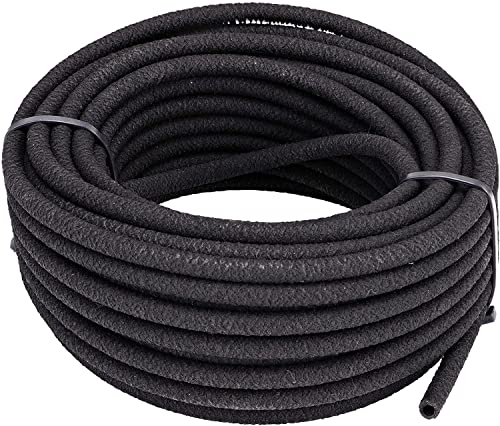
Slowly waters the soil around your plants for complete root zone hydration; Ideal for short runs on flat surfaces, such as vegetable gardens, borders, and around small plants
Dimensions: 0.4 x 0.3 x 4.7 inches (small) - Intended for pot sizes of 2, 2.5, and 3 - Ideal for small succulents
Light Requirements
Lettuce plants prefer full sun, benefiting most from at least 6 to 8 hours of direct sunlight daily. During hotter months, partial shade can prevent rapid bolting. Providing afternoon shade protects the plants from extreme heat, allowing them to grow longer before going to seed. For example, positioning your lettuce in a garden bed that receives morning sun and afternoon shade can yield better results.
Soil and Water Needs
Opt for well-draining soil rich in organic matter, with a pH level between 6.0 and 6.8. Adding compost or aged manure enhances soil fertility. Water lettuce consistently to keep the soil moist but not waterlogged. Aim for around 1 to 1.5 inches of water weekly, adjusting based on rainfall. For example, using a soaker hose can help maintain even moisture levels while avoiding wet foliage. Regularly checking soil moisture with your finger can guide you on when to water, ensuring the plants remain hydrated without stress.
Lifespan of Lettuce Plants
Lettuce plants typically thrive for a few weeks to several months, depending on the variety. Understanding the lifespan helps you manage your garden effectively.
Types of Lettuce Varieties
You can grow several types of lettuce, each with different lifespans and harvest potentials. Here are some common varieties:
- Leaf Lettuce: This type matures in about 30 to 45 days. It allows for continuous harvesting by picking outer leaves while the center grows.
- Romaine: Romaine takes around 70 to 80 days to reach full maturity. You can harvest the whole head or choose to pick leaves periodically for a prolonged supply.
- Butterhead: Butterhead matures in 55 to 75 days. It offers a tender texture and can be harvested whole or leaf by leaf.
Each variety suits different growing situations, giving you options for your garden.
Factors Influencing Production
Several factors influence the production and lifespan of your lettuce plants. Key elements include:
- Temperature: Lettuce prefers cooler temperatures, ideally between 60°F and 70°F. High temperatures can trigger bolting, which leads to a bitter taste and shorter lifespan.
- Soil Conditions: Well-draining, organic-rich soil with a pH between 6.0 and 6.8 promotes healthy growth. Consider testing your soil to ensure optimal conditions.
- Watering: Consistent watering, about 1 to 1.5 inches weekly, keeps lettuce plants hydrated. Inconsistent moisture can cause stress and reduce yield.
- Sunlight: Provide at least 6 to 8 hours of direct sunlight daily. During hotter months, partial shade can help prevent bolting.
By managing these conditions, you can maintain healthy lettuce plants that offer a steady supply of fresh greens throughout the growing season.
Continuous Harvesting Techniques
Continuous harvesting techniques help you maximize your lettuce yield throughout the growing season. Implementing these methods ensures a steady supply of fresh greens for your salads.
Recommended Products

VIBRANT RED LEAF LETTUCE SEEDS – Distinct curly leaves with rich burgundy color and mild, sweet flavor make Lolla Rossa a standout choice for colorful salads and fresh table greens

FIVE FLAVORFUL VARIETIES FOR A COMPLETE SALAD GARDEN SOLUTION. This lettuce seed pack includes black seeded simpson, red romaine, bibb, buttercrunch, and iceberg. Perfect for salads, wraps, smoothies, and toppings with fresh, homegrown flavors year-round.
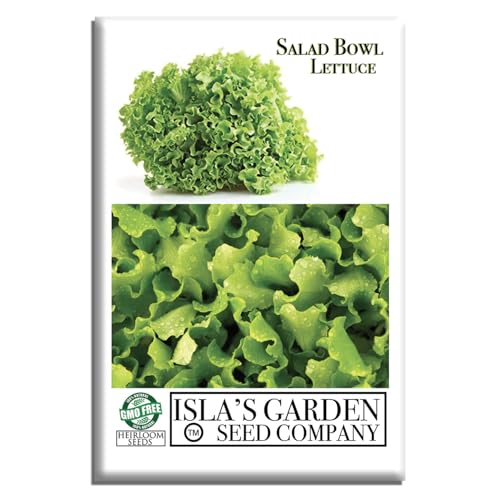
🥬 Tender Oakleaf Cut-and-Come-Again Variety: Salad Bowl Lettuce is a classic loose-leaf oakleaf variety known for its deeply lobed leaves and tender texture. These productive plants allow gardeners to harvest outer leaves repeatedly, making it ideal for cut-and-come-again harvesting. Gardeners appreciate this variety for its steady production of mild, flavorful greens perfect for fresh salads and garden meals.
Cut-and-Come-Again Method
The cut-and-come-again method involves harvesting the outer leaves of lettuce while allowing the inner leaves to grow. Start by selecting mature outer leaves, typically from 1 to 2 inches above the base. Cut at the base, avoiding the center crown. This technique allows the plant to continue producing new leaves for several weeks. Regular harvesting every two weeks promotes growth and prevents plants from bolting, ensuring a fresh supply of lettuce.
Succession Planting
Succession planting involves staggered sowing of lettuce seeds to ensure that you have a continuous harvest. Plant a new batch of seeds every two weeks, starting in early spring. For example, if you plant a batch on April 1, follow up with another on April 15. This method allows you to enjoy fresh lettuce throughout the growing season, as each batch matures at different times. Choose varieties with varying maturity dates, such as quick-maturing leaf types and slower-growing romaine, for a diversified harvest.
Conclusion
With the right care and attention your lettuce plants can keep producing fresh greens all season long. By understanding their needs and employing effective strategies like succession planting and the cut-and-come-again method you’ll enjoy a continuous harvest.
Remember to monitor soil conditions and provide adequate sunlight to prevent bolting. With a little effort you can create a thriving lettuce garden that delivers crisp leaves for your salads and sandwiches. Happy gardening and enjoy your delicious homegrown lettuce!
Frequently Asked Questions
How long does it take for lettuce to grow?
Lettuce typically matures in 30 to 80 days, depending on the type. Leaf lettuce is the fastest, ready in about 30 to 45 days, while romaine takes 70 to 80 days, and butterhead matures in 55 to 75 days.
What growing conditions are best for lettuce?
Lettuce thrives in cool temperatures between 60°F and 70°F. It requires well-draining, organic-rich soil with a pH of 6.0 to 6.8, consistent watering of 1 to 1.5 inches weekly, and at least 6 to 8 hours of direct sunlight daily.
How can I ensure a continuous harvest of lettuce?
To achieve continuous harvests, practice succession planting by sowing seeds every two weeks. Utilize the cut-and-come-again method by harvesting outer leaves while allowing inner leaves to grow for ongoing production.
What should I do if my lettuce is bolting?
To prevent bolting, provide partial shade during hot months to regulate temperature. Ensure consistent watering and avoid stressing the plants. Selecting bolt-resistant varieties can also help.
Can I grow different types of lettuce together?
Yes, you can interplant different types of lettuce. Mixing varieties like leaf, romaine, and butterhead can optimize space and timing, allowing for a diverse and continuous harvest throughout the season.
