

Have you ever wondered if you can grow lettuce alongside cucumbers in your garden? You’re not alone! Many gardeners face the challenge of maximizing space while ensuring their plants thrive. Mixing crops can be tricky, but it can also lead to a vibrant and productive garden.
Key Takeaways
- Companion Planting Benefits: Growing cucumbers and lettuce together allows for mutual benefits, including improved growth, natural pest control, and efficient use of garden space.
- Optimal Growth Conditions: Lettuce thrives in the cooler shade of cucumber vines, benefitting from reduced heat stress and potentially leading to healthier leaves and increased yields.
- Pest Management: Cucumbers emit substances that repel pests like aphids and cucumber beetles, while lettuce attracts beneficial insects, creating an ecosystem that minimizes the need for chemical pest control.
- Space and Water Considerations: Adequate spacing (at least 12 inches apart) and tailored watering strategies are essential to ensure that both plants receive enough light and moisture without competing against one another.
- Soil and Planting Techniques: Using well-draining, nutrient-rich soil and staggering planting times for both crops can maximize growth potential and ensure a successful yield.
- Annual Crop Rotation: Rotating the location of cucumbers and lettuce each year can enhance soil health and reduce the risk of pests and diseases, promoting a healthier garden ecosystem.
Overview of Companion Planting
Companion planting involves growing different plants together for mutual benefits. It promotes healthy growth and can increase yields. Understanding which plants work well together helps gardeners maximize space and resources.
Benefits of Companion Planting
- Pest Control: Some plants deter pests naturally. For example, planting marigolds near cucumbers can repel cucumber beetles.
- Improved Growth: Certain plants boost each other’s growth. For instance, planting lettuce with cucumbers allows lettuce to thrive in the cooler shade provided by cucumber leaves.
- Natural Support: Climbing plants like cucumbers can provide support for smaller plants. Lettuce can benefit from the vertical growth of cucumber vines.
Tips for Companion Planting
- Research Compatible Plants: Check compatibility charts for ideas. Knowing which plants grow well together saves time and effort.
- Plan Layout: Use a garden planner to visualize plant placement. Position taller plants like cucumbers to avoid shading shorter ones like lettuce.
- Rotate Crops Annually: Changing plant locations each year improves soil health. Rotating crops helps prevent pests and diseases from establishing.
- Cucumbers and Lettuce: Lettuce enjoys cooler temperatures, making it ideal under cucumber vines during warmer months.
- Tomatoes and Basil: Tomatoes benefit from basil’s flavor-enhancing properties and pest-repelling qualities.
- Beans and Corn: Beans fix nitrogen in the soil, benefiting corn’s growth while using corn stalks for support.
By implementing these strategies, you can create a thriving garden with less risk of pest problems and improved plant health.
Benefits of Planting Lettuce and Cucumbers Together
Planting lettuce and cucumbers together brings several advantages that enhance your garden’s productivity. These benefits create a mutually supportive environment for both plants.
Recommended Products

Complete Kit for Easy Setup: This all-in-one kit includes 8 curved tubes, 43 straight tubes, 12 equal cross connectors, 10 four-way connections, 4 equal tees, 10 straight connectors, 100 leaf ties, 20 garden clips, 30 fishbone cable ties, a plant bag, a pair of gloves, and a comprehensive manual, measuring 65x50 inches, providing space for climbing and healthy growth. The included nylon trellis netting ensures your plants receive ample support for climbing.

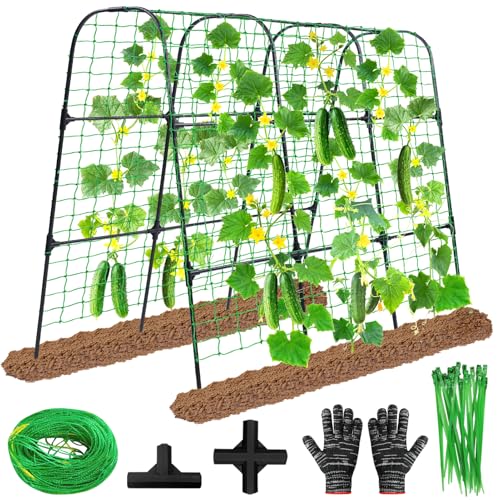
Reliable Support for Climbing Plants: Cucumber trellis, designed to support vegetable vine plants, tomatoes, peas, beans and other vine crops. U-shaped garden trellis helps plants grow upward for better airflow, cleaner growth and easier harvesting.
Improved Growth and Yield
Growing lettuce with cucumbers improves overall growth and yield. Cucumbers offer shade that helps lettuce stay cool. Lettuce benefits from reduced heat stress, leading to more substantial, healthier leaves. When planted together, you can harvest cucumbers earlier, as they grow upwards, maximizing vertical space. For instance, placing lettuce in rows under trellised cucumber plants can boost your harvest while using the garden area efficiently.
Pest Control
Companion planting lettuce and cucumbers also aids in pest control. Cucumbers release substances that can deter certain pests, such as aphids and cucumber beetles. Since lettuce can attract beneficial insects like ladybugs, which feed on pests, you create an environment that encourages natural pest control. Planting marigolds nearby can further protect against pests, enhancing the health of both crops. This strategy limits the need for chemical interventions, ensuring a healthier garden.
Challenges of Growing Lettuce with Cucumbers
Growing lettuce alongside cucumbers presents several challenges that gardeners need to consider. Understanding these challenges can lead to a more fruitful gardening experience.
Space Requirements
Space is a critical factor when planting lettuce with cucumbers. Cucumbers grow vertically, but they still require ample ground space for their roots. Lettuce, on the other hand, has a more compact growth habit. To optimize space, plant cucumbers in rows with sufficient distance between them to allow for proper air circulation. Position lettuce in-between or around the cucumbers, ensuring it’s not overshadowed and loses access to sunlight. Aim for at least 12 inches of space to give both crops the best chance to thrive.
Watering Needs
Watering requirements differ between cucumbers and lettuce. Cucumbers need consistent moisture due to their larger foliage and fruit production. They can tolerate slightly dryer soil than lettuce. Lettuce prefers a moist environment, as dry conditions can lead to bitterness and bolting. When watering, monitor both crops. Aim to keep cucumber roots evenly moist while ensuring lettuce has sufficient water to stay vibrant. Implement a drip irrigation system to provide targeted watering, which helps maintain appropriate moisture levels without over-saturating either plant.
Tips for Successful Planting
Growing lettuce with cucumbers can lead to a productive garden. Following some simple guidelines helps ensure a thriving pairing.
Ideal Soil Conditions
Use well-draining soil rich in organic matter to promote healthy growth. Aim for a soil pH of 6.0 to 7.0 for optimal nutrient availability. Incorporating compost before planting boosts soil quality and supports both crops. To enhance drainage, mix in sand or perlite if your soil retains too much moisture.
Proper Planting Technique
Plant cucumbers and lettuce at staggered times for better space management. Sow lettuce seeds 2-4 weeks before cucumbers to allow it to establish well. Position cucumbers on trellises to save ground space and to provide shade for lettuce below. Maintain a distance of at least 12 inches between plants for air circulation. Water lightly but consistently, ensuring soil remains moist without becoming soggy. Using a drip irrigation system enhances moisture control and efficiency.
Conclusion
Planting lettuce with cucumbers can be a rewarding experience when done right. By embracing companion planting principles you can create a vibrant garden that not only maximizes space but also promotes healthier plants. Remember to keep their needs in mind and plan your layout carefully to avoid overcrowding.
With the right techniques like staggering planting times and ensuring proper moisture levels you’ll find that both crops can thrive together. Enjoy the process of gardening and watch as your lettuce and cucumbers flourish side by side. Happy gardening!
Frequently Asked Questions
Can lettuce be grown alongside cucumbers?
Yes, lettuce can be grown alongside cucumbers. This combination can benefit both plants, as cucumbers provide shade that helps keep lettuce cool, reducing heat stress. However, it’s important to ensure there is adequate space between them for optimal growth.
What is companion planting?
Companion planting is the practice of growing different plants together to enhance their growth and health. It can help with pest control, improve nutrient availability, and provide natural support among plants, leading to a more productive garden.
How does cucumbers’ vertical growth benefit lettuce?
Cucumbers grow vertically, allowing them to take up less ground space while providing shade for lettuce. This shade helps keep lettuce cool, which is essential for healthy growth, especially during hot weather.
What spacing is required for lettuce and cucumbers?
For optimal growth, maintain at least 12 inches of space between lettuce and cucumbers. This will help avoid overcrowding and ensure that both plants have access to adequate moisture and nutrients.
What watering needs do lettuce and cucumbers have?
Cucumbers need consistent moisture, while lettuce prefers a generally moist environment. Implementing a drip irrigation system can help ensure both plants receive the right amount of water without over-saturation.
What soil conditions are best for growing lettuce and cucumbers?
Well-draining soil enriched with organic matter is ideal for both lettuce and cucumbers. A pH level between 6.0 and 7.0 is preferred, and incorporating compost can further enhance soil quality for better plant health.
How can pests be managed when growing lettuce and cucumbers together?
Companion planting can help in pest control. For example, cucumbers can deter pests like aphids, while lettuce attracts beneficial insects such as ladybugs. Additionally, planting marigolds can further protect against common garden pests.
What are some additional tips for successful planting?
To ensure success, stagger the planting times of lettuce and cucumbers, position cucumbers on trellises, and maintain adequate spacing for air circulation. Consistent, light watering will also help keep the soil moist without becoming soggy.
