

Are you wondering if you can plant lettuce near tomatoes in your garden? You’re not alone! Many gardeners face this question when planning their vegetable patches. The right combinations can boost your garden’s health and yield, while the wrong ones might lead to struggles.
Key Takeaways
- Compatibility of Plants: Lettuce can be successfully planted near tomatoes, benefiting from their growth patterns and maximizing garden space.
- Growth Efficiency: Lettuce matures faster (30 to 60 days) than tomatoes (60 to 90 days), allowing for early harvests before tomato plants fully occupy the space.
- Pest Management: Planting lettuce with tomatoes can deter pests like aphids and hornworms, promoting a healthier garden ecosystem through their combined scents.
- Optimal Conditions: Consider soil requirements, light, and watering needs; lettuce prefers partial shade and consistent moisture, while tomatoes thrive in full sun and drier soil intervals.
- Space and Timing: Implement proper spacing (18-24 inches for tomatoes, 6-12 inches for lettuce) and plant timing (early spring or late summer) to reduce competition and enhance growth.
- Best Practices: Use compost to enrich soil, monitor for diseases, and apply mulch to retain moisture, ensuring a thriving garden with both crops flourishing together.
Can I Plant Lettuce Near Tomatoes?
Yes, you can plant lettuce near tomatoes. Lettuce and tomatoes benefit from each other’s growth. Lettuce thrives in cooler temperatures, while tomatoes prefer warmth. Planting them together allows you to maximize your garden space.
Benefits of Planting Lettuce with Tomatoes
- Space Efficiency: Lettuce grows quickly, often maturing in 30 to 60 days. You can harvest lettuce before tomatoes take up more room.
- Pest Repellent: Lettuce can help deter certain pests that might be harmful to tomatoes. This combination promotes a healthier garden ecosystem.
- Soil Usage: Lettuce utilizes nutrients from the soil that tomatoes can also benefit from later. This leads to better overall soil health.
Planting Tips
- Spacing: Space your tomato plants 18 to 24 inches apart. Plant lettuce in the spaces between them.
- Timing: Plant lettuce in early spring or late summer. This timing ensures that it thrives before the heat of summer affects it or before fall sets in.
- Watering: Keep the soil consistently moist for lettuce but allow tomatoes to dry out slightly between waterings. This separation keeps both plants healthy.
- Sunlight: Ensure both plants receive adequate sunlight. Tomatoes need full sun, while lettuce appreciates some afternoon shade, especially in hot climates.
- Soil: Use well-draining soil enriched with organic matter for both crops. This supports healthy growth and improves yield.
- Companion Plants: Consider adding herbs like basil near your tomatoes. Basil pairs well with tomatoes and can deter pests that affect both plants.
Planting lettuce near tomatoes can lead to a productive and vibrant garden. By following these guidelines, you can enjoy fresh produce throughout the growing season.
Benefits of Companion Planting
Companion planting maximizes your garden’s potential and cultivates healthy relationships between plants. Let’s explore the key advantages of planting lettuce near tomatoes.
Enhancing Growth
Lettuce and tomatoes work well together. Lettuce grows quickly, reaching maturity in about 30 days, compared to tomatoes, which take 60 to 90 days. You can harvest lettuce before tomatoes expand. This efficient use of garden space benefits both plants, allowing them to thrive without competing for resources.
Lettuce also benefits from the shade provided by the taller tomato plants. If planted together, the cooler, shaded environment allows lettuce to retain moisture and grow steadily. This cooperation leads to a more productive growing season.
Pest Control
Companion planting significantly reduces pest issues. Lettuce can deter common pests like aphids and tomato hornworms. When planted alongside tomatoes, the distinct scents of the plants can confuse pests, making it harder for them to locate their targets.
You might notice fewer pests in your garden when combining these plants. Since healthy plants fend off disease better, the overall health of your garden improves with this pairing. Consider mixing in other companion plants, such as basil, to amplify the pest-repelling effects.
Implementing these companion planting strategies will lead to a flourishing garden, just by making smart initial choices.
Factors to Consider
Understanding the factors to consider when planting lettuce near tomatoes enhances your gardening success.
Recommended Products
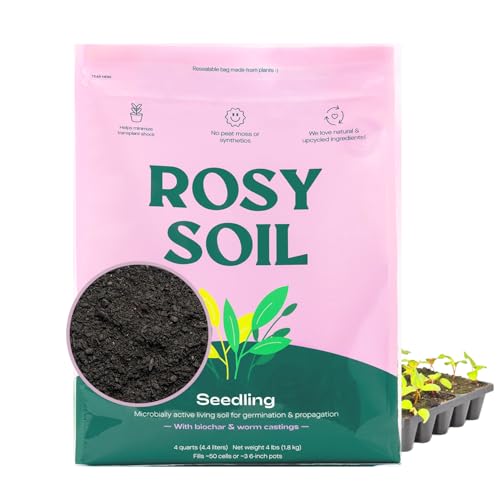
BUILT FOR GERMINATION AND EARLY ROOT GROWTH: Rosy Soil seed starting soil is specifically formulated for the most critical window in a plant's life — when seeds first sprout and roots begin to anchor; balanced aeration, drainage, and moisture retention give seedlings exactly what they need to establish strong, healthy roots from day one


🍅【Nutrient-rich formula】Our potting soil is specially formulated to provide a balanced blend of essential nutrients that vegetables need for healthy growth and development. It supports robust plant growth, vibrant foliage, and abundant yields.
Soil Requirements
Lettuce prefers well-draining, nutrient-rich soil. Aim for a pH level between 6.0 and 7.0. Tomatoes thrive in similar soil conditions but require slightly more nutrients. You can blend compost or aged manure into the soil for both plants. This mix supports lettuce during its quick growth phase and provides tomatoes with nutrients as they develop.
Light and Water Needs
Lettuce requires partial shade, especially during warm months. Planting it near tomatoes helps, as tomato plants provide shade while they grow. Tomatoes enjoy full sun, needing at least six hours daily. For watering, keep lettuce consistently moist, watering it more often than tomatoes, which prefer their soil to dry out slightly between waterings. Adjusting watering practices based on each plant’s needs promotes healthy growth for both.
Potential Issues
While planting lettuce near tomatoes has benefits, potential issues exist that you should consider.
Competition for Resources
Lettuce and tomatoes may compete for nutrients, water, and sunlight. Both plants thrive in nutrient-rich, well-draining soil, increasing the likelihood of competition. If soil nutrients run low, lettuce may struggle to grow. Monitoring soil health and ensuring adequate moisture helps in managing this issue. For example, testing soil composition can inform you when to add fertilizers or compost.
Disease Susceptibility
Planting lettuce near tomatoes can raise concerns about disease susceptibility. Certain pathogens that affect tomatoes, like blight, might also impact lettuce. Keeping your garden clean and practicing crop rotation can mitigate these risks. Immediately remove any diseased plants to prevent spread. Additionally, ensuring proper airflow between plants can help in reducing humidity levels, lowering the chances of fungal diseases.
Best Practices for Planting
Planting lettuce near tomatoes requires attention to detail for optimal growth. Follow these strategies to enhance your gardening experience.
Planting Techniques
- Prepare the Soil: Amend soil with compost or aged manure to enhance fertility. This approach benefits both lettuce and tomatoes.
- Create Rows: Plant tomatoes in rows, leaving space between each plant. Use these gaps for lettuce planting.
- Layering: Position lettuce in lower areas where they can receive filtered sunlight. This setup protects them from excessive heat.
- Interplanting: Place lettuce seeds or seedlings directly next to established tomatoes. This method capitalizes on available space without overcrowding.
- Use Mulch: Apply organic mulch around the base of tomato plants. This practice retains moisture and suppresses weeds, benefiting both plants.
- Ideal Timing: Start planting lettuce in early spring or late summer. These periods provide optimal conditions for growth alongside tomatoes.
- Spacing Guidelines: Space tomato plants 18 to 24 inches apart to ensure airflow. Plant lettuce 6 to 12 inches apart to avoid competition for resources.
- Harvest Considerations: Harvest lettuce before tomatoes reach full size. This strategy ensures lettuce won’t compete heavily with growing tomatoes.
- Continuous Planting: Consider successive planting of lettuce every few weeks. This keeps a steady supply of fresh lettuce throughout the season.
Follow these best practices for a thriving garden, maximizing your harvest while minimizing competition for resources.
Conclusion
Planting lettuce near tomatoes can be a fantastic choice for your garden. By understanding their unique needs and benefits, you can create a thriving space that maximizes your harvest. Remember to keep an eye on soil health and moisture levels to ensure both plants flourish together.
With a little planning and care, you’ll enjoy fresh lettuce and juicy tomatoes throughout the season. So go ahead and give this pairing a try. Your garden will thank you!
Frequently Asked Questions
Can lettuce be planted near tomatoes?
Yes, lettuce can be planted near tomatoes. They complement each other well in the garden. Lettuce grows quickly and thrives in cooler temperatures while tomatoes prefer warmth, allowing both to flourish together in the same space.
What are the benefits of planting lettuce with tomatoes?
Planting lettuce with tomatoes enhances space efficiency since lettuce matures rapidly and can be harvested early. Additionally, lettuce helps deter pests and improves soil health, benefiting the growth of tomatoes as they absorb remaining nutrients.
How far apart should I plant tomatoes and lettuce?
Tomatoes should be spaced 18 to 24 inches apart. You can plant lettuce in the gaps, ensuring both plants have enough room to grow healthily without competing for resources.
When is the best time to plant lettuce near tomatoes?
The best time to plant lettuce near tomatoes is in early spring or late summer. This timing allows for optimal growth conditions for both plants while avoiding excessive heat that may hinder lettuce growth.
How should I water lettuce and tomatoes?
Lettuce requires consistent moisture, while tomatoes can dry out slightly between waterings. Adjust your watering schedule to ensure that each plant’s needs are met, promoting healthy growth for both.
What type of soil is best for planting lettuce and tomatoes together?
A well-draining, nutrient-rich soil with a pH level between 6.0 and 7.0 is ideal for both plants. Incorporating compost or aged manure helps provide the necessary nutrients for healthy growth.
Are there any potential issues with planting lettuce near tomatoes?
Yes, potential issues include competition for nutrients and disease susceptibility. Monitor soil health and maintain proper airflow to prevent diseases from spreading between plants and depleting the soil’s nutrients.
