

Ever wondered how many lettuce plants you can fit in a 5-gallon bucket? Growing your own lettuce can be a fun and rewarding experience, but figuring out the right number of plants can be tricky. You want to maximize your space without overcrowding your greens.
Key Takeaways
- Optimal Planting Density: For a 5-gallon bucket, you can plant 4 to 6 leaf lettuce, or 2 to 4 romaine or butterhead lettuce plants, ensuring appropriate spacing of 6 to 10 inches to avoid overcrowding.
- Soil Quality Matters: Use a high-quality, well-draining potting mix to promote healthy root growth and ensure optimal moisture retention.
- Sunlight Requirements: Lettuce plants thrive best with 6 to 8 hours of direct sunlight daily, making proper placement of your bucket essential for growth.
- Consistent Watering: Maintain consistently moist soil, checking daily during hot weather, and water when the top inch of soil feels dry to promote healthy growth.
- Mobility and Flexibility: Utilizing 5-gallon buckets allows for easy movement to optimize sunlight exposure and protect from tough weather conditions, enhancing overall plant health.
- Monitor Temperature: Keep lettuce in a cooler environment, ideally between 60°F and 65°F, as extreme heat can lead to bolting and reduced yields.
Understanding Container Gardening
Container gardening allows you to maximize limited space while enjoying fresh produce. It’s crucial to select the right container size for your plants. A 5-gallon bucket works well for several types of lettuce, but the number of plants depends on the specific variety and their growth habits.
Plant Spacing Guidelines
- Leaf Lettuce: Space leaf lettuce plants about 6 inches apart. You can fit 4 to 6 plants in a 5-gallon bucket.
- Romaine Lettuce: Romaine needs more space, ideally 8 to 10 inches apart. Plant 2 to 4 romaine plants per bucket.
- Butterhead Lettuce: This type should also be spaced 8 to 10 inches apart. You can grow about 2 to 4 butterhead plants in a 5-gallon bucket.
Choosing Soil and Drainage
Soil selection is important for container success. Use a high-quality potting mix with good drainage. Ensure the bucket has drainage holes to prevent waterlogging. This helps promote healthy root growth and minimizes the risk of root diseases.
Sunlight Requirements
Lettuce thrives in full sun but can tolerate partial shade. Aim for 6 to 8 hours of sunlight daily. Position your bucket in an area that receives adequate sunlight and shelter it from extreme heat. This maintains optimal soil temperature and moisture.
Watering and Feeding Tips
Watering is essential for maintaining healthy lettuce plants. Keep the soil consistently moist but not soggy. Check daily, especially in hot weather. Use a balanced, water-soluble fertilizer every two weeks to support growth.
By understanding these components of container gardening, you can effectively grow lettuce in a 5-gallon bucket and enjoy a bountiful harvest.
Benefits Of Using 5 Gallon Buckets
Using 5-gallon buckets for growing lettuce offers several advantages that enhance the gardening experience.
Space Efficiency
Space efficiency becomes crucial when gardening in limited areas. A 5-gallon bucket allows you to maximize your planting potential. You can fit multiple lettuce plants within a confined space, ensuring you make the most of your area. For instance, planting 4 to 6 leaf lettuce plants in one bucket offers an abundant yield without overcrowding. This efficient use of space forms a productive garden, especially in urban settings.
Mobility
Mobility stands out as another significant benefit of using 5-gallon buckets. You can easily move these containers to find the best sunlight or protect your plants from harsh weather. If your patio gets afternoon shade, you can relocate the bucket to a sunnier spot. This flexibility also aids in pest management. If insects invade one area, you can shift the bucket to a more secure location. Overall, the ability to move your lettuce plants contributes to healthier growth and improved yields.
Optimal Spacing For Lettuce Plants
Proper spacing is crucial for lettuce growth. Adequate room prevents overcrowding and promotes healthy plants.
Recommended Products
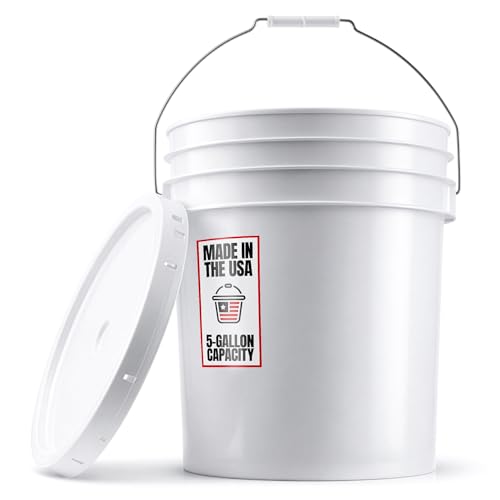
MADE IN USA & FOOD GRADE: Proudly Manufactured In The USA From Premium BPA-Free HDPE Plastic Meeting FDA Standards – Heavy-Duty Extra Durable, Impact-Resistant, Heat And Cold Resistant For Indoor And Outdoor Use With Complete Peace Of Mind And Long-Term Reliability

SECURE SNAP-ON LIDS – Keep contents protected with included snap-on lids, perfect for food storage, pet food, paint, cleaning supplies, and more.

SECURE SNAP-ON LIDS – Keep contents protected with included snap-on lids, perfect for food storage, pet food, paint, cleaning supplies, and more.
Recommended Plant Density
For a 5-gallon bucket, aim for the following plant densities:
- Leaf Lettuce: 4 to 6 plants, spaced 6 inches apart.
- Romaine Lettuce: 2 to 4 plants, spaced 8 to 10 inches apart.
- Butterhead Lettuce: 2 to 4 plants, spaced 8 to 10 inches apart.
Using these guidelines helps ensure each plant receives enough light and nutrients. Overcrowding can lead to stunted growth and increased susceptibility to pests.
Factors Affecting Plant Growth
Several factors impact the growth of lettuce in containers:
- Sunlight: Lettuce thrives in full sun, needing 6 to 8 hours daily.
- Soil Quality: Use a high-quality potting mix with good drainage. Poor soil can restrict plant growth.
- Watering Practices: Keep the soil consistently moist but not waterlogged. Watering deeply promotes strong root growth.
- Temperature: Lettuce prefers cooler weather, ideally between 60°F and 65°F. Extreme heat can cause bolting.
Understanding these factors, along with proper spacing, enables you to cultivate healthy lettuce plants in 5-gallon buckets effectively.
Plant Care Tips For Bucket Gardening
Healthy lettuce plants thrive with proper care. Here are essential tips to enhance your bucket gardening experience.
Soil Requirements
Use a high-quality potting mix specifically designed for container plants. Look for soil that is loose and well-draining. A mix containing peat moss, compost, and perlite offers good aeration and moisture retention. A pH of 6.0 to 7.0 is ideal for lettuce growth. Fill your 5-gallon bucket to about 2 inches from the top, allowing space for watering without overflow.
Watering Techniques
Water your lettuce consistently to maintain even moisture. Water when the top inch of soil feels dry to the touch. Use a watering can or hose with a gentle spray to avoid disturbing the soil. Ensure excess water drains from the bottom of the bucket. During hot weather, you may need to water daily, while cooler temperatures may require less frequent irrigation. Adding mulch on top can help retain moisture and reduce soil temperature.
Conclusion
Growing lettuce in a 5-gallon bucket can be a rewarding experience. By following the right guidelines for spacing and care you can enjoy a fresh and healthy harvest right from your own home. Remember to choose the right variety and keep an eye on factors like sunlight and soil quality to ensure your plants thrive.
With a little attention and care you’ll be well on your way to enjoying delicious salads made from your own homegrown lettuce. So grab those buckets and start planting—you’ll love the results!
Frequently Asked Questions
How many lettuce plants can I grow in a 5-gallon bucket?
You can grow approximately 4 to 6 leaf lettuce plants, or 2 to 4 romaine or butterhead plants in a 5-gallon bucket. The exact number depends on the specific variety and their growth habits.
What kind of soil should I use for lettuce in a bucket?
It’s best to use a high-quality potting mix that drains well. Look for one that is loose and has a pH level between 6.0 and 7.0 to foster healthy root growth.
How much sunlight do lettuce plants need?
Lettuce thrives in full sun, needing around 6 to 8 hours of sunlight daily for optimal growth. Placing your bucket in a well-lit area will help your plants flourish.
How often should I water my lettuce plants in a bucket?
Water when the top inch of soil feels dry, ensuring excess water drains from the bottom. During hot weather, you may need to water daily, while cooler temperatures may require less frequent watering.
Why should I use a 5-gallon bucket for gardening?
Using a 5-gallon bucket is space-efficient, ideal for urban gardening. It allows multiple plants to grow in a confined area and is easy to relocate for sunlight and pest management.
What is the importance of spacing when planting lettuce?
Proper spacing prevents overcrowding, which promotes healthy growth. For optimal results, maintain the recommended distancing of 6 inches for leaf varieties and 8 to 10 inches for romaine and butterhead plants.
