

Have you ever wondered how to cut garden lettuce without damaging those tender leaves? You’re not alone. Many gardeners face this challenge, wanting to enjoy fresh salads without ruining their hard work.
Knowing the right way to harvest your lettuce can make all the difference. Not only does it keep your plants healthy, but it also ensures you get the best flavor and texture from your greens. In this article, you’ll discover simple techniques that will help you cut your garden lettuce efficiently, so you can enjoy the fruits of your labor with ease.
Key Takeaways
- Understand Lettuce Varieties: Familiarize yourself with various types of garden lettuce, such as butterhead, romaine, leaf, and crisphead, to select the best for your preferences and meals.
- Optimal Harvesting Timing: Harvest lettuce in the morning for maximum flavor and best texture. Aim to cut about 30 to 70 days after planting, focusing on vibrant, firm leaves.
- Use Proper Tools: Equip yourself with sharp knives, kitchen scissors, and a sturdy cutting board for an efficient and safe cutting experience, reducing bruising and damage to the leaves.
- Cutting Techniques: Choose between whole-head harvesting or leaf harvesting, using sharp tools for clean cuts, and ensuring minimal stress on the remaining lettuce plant for continued growth.
- Post-Cutting Care: Store cut lettuce properly by rinsing, drying, and using a container lined with paper towels to absorb moisture. Keep it in the refrigerator and aim to consume it within 5 to 7 days for optimal freshness.
- Revive Wilting Leaves: If your lettuce begins to wilt, soaking it in cold water can help restore its crispness, ensuring you enjoy your lettuce at its best.
Understanding Garden Lettuce
Garden lettuce includes several varieties that cater to different tastes and textures. Understanding these types helps you choose the right lettuce for your garden and salads.
Types of Garden Lettuce
- Butterhead: Known for its soft, tender leaves, butterhead lettuce includes varieties like Boston and Bibb. It’s sweet and great for salads.
- Romaine: Romaine features tall, sturdy leaves with a crisp texture. It’s perfect for Caesar salads and provides a satisfying crunch.
- Leaf Lettuce: Leaf lettuce comes in both green and red varieties. The leaves grow in loose, open heads, making it easy to harvest. It’s excellent for sandwiches and salads.
- Crisphead: This variety has a firm, compact head, often seen in iceberg lettuce. It offers a refreshing crunch but is less nutrient-dense than other types.
Choosing the right type can enhance the flavor and appearance of your meals.
Optimal Harvesting Time
Harvest lettuce in the morning for the best flavor and texture. The cool temperatures help retain moisture and make the leaves crisper.
- Harvesting Timeline: Especially for leaf and butterhead varieties, expect to harvest about 30 to 70 days after planting. Look for leaves that are 6 to 8 inches tall.
- Signs of Readiness: Check for vibrant color and firm texture. Avoid harvesting when leaves look wilted or yellow, as this indicates stress.
- Continuous Harvesting: To enjoy fresh lettuce throughout the season, pick outer leaves first, allowing the inner leaves to continue growing. This method keeps the plant healthy and productive.
Using these guidelines ensures that you enjoy a bountiful lettuce crop that adds flavor to your meals.
Tools Required for Cutting Lettuce
Using the right tools makes cutting lettuce easier and keeps the leaves intact. Here’s what you’ll need.
Recommended Products

PREMIUM PLASTIC LETTUCE KNIFE SET: This 2-piece plastic lettuce knife set prevents browning of fresh greens while effortlessly cutting through vegetables, fruits, cakes, and baked goods with precision
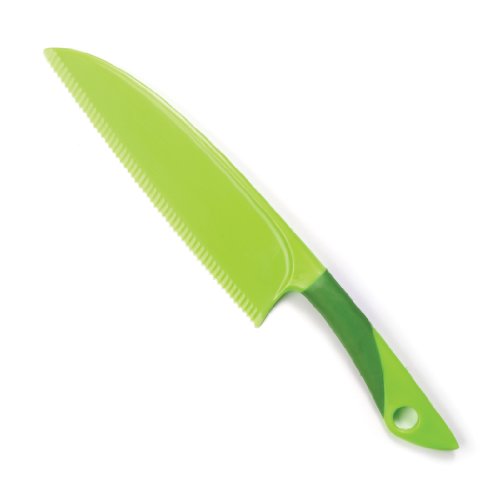
Non-slip, soft grip handle

Non-Reactive and Safe Material: Our lettuce knives are made from high-quality, food-grade nylon that won't react with acidic foods like tomatoes or citrus fruits, ensuring your meals remain safe and flavorful. The non-stick surface is perfect for cutting delicate items without leaving any residue behind.
Recommended Cutting Tools
- Sharp Knife: A chef’s knife or utility knife works well. A sharp blade makes clean cuts and prevents bruising.
- Serrated Knife: Ideal for softer varieties like butterhead, this knife helps slice without crushing the leaves.
- Kitchen Scissors: Garden scissors or kitchen shears are handy for cutting leafy varieties, allowing for precision and control.
- Cutting Board: Use a sturdy cutting board to provide a stable surface for cutting. It protects your counter and helps keep everything organized.
- Keep Tools Sharp: Sharp tools cut better and reduce the risk of accidents.
- Use Non-Slip Mats: Place a non-slip mat under your cutting board to prevent slipping while you cut.
- Cut Away From Your Body: Always cut away from yourself to minimize injury risks.
- Stay Focused: Avoid distractions while cutting to maintain control and attention on the task.
- Wash Hands After Handling Plants: Clean your hands before and after to prevent dirt or bacteria from contaminating your fresh lettuce.
Equipping yourself with these tools and following these safety tips ensures a smooth and safe lettuce cutting experience.
Techniques for Cutting Garden Lettuce
Cutting garden lettuce correctly ensures that you enjoy the best flavor and texture in your salads. Learning effective techniques helps preserve the health of the remaining plants.
Recommended Products

HERB GARDENING ESSENTIAL: Stainless steel blade plant shears with sheath ideal for harvesting herbs outdoors or with a window herb garden for kitchen; encourages overall lawn and garden health, or perfect gift to go with any indoor herb garden kit
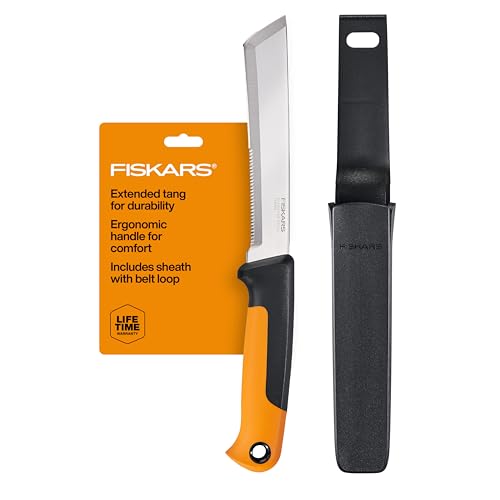
IDEAL FOR HARVESTING: Includes (1) Fiskars Harvesting Knife with hard plastic sheath and belt loop; perfect for thick stalks and stems, ensuring clean and precise cuts with ease in vegetable gardens and orchards; backed by a Lifetime Warranty

Knife for harvesting lettuce, vegetables and fruit
The Right Cutting Method
- Select the Right Time: Cut your lettuce in the morning when the leaves are crisp and full of moisture.
- Determine the Harvesting Style: Choose between two main methods:
- Whole-Head Harvesting: For varieties like romaine, cut the entire head at the base with a sharp knife.
- Leaf Harvesting: For leaf lettuce, pick individual outer leaves. Cut them a few inches above the soil to encourage regrowth.
- Use Sharp Tools: A sharp knife or kitchen scissors reduces bruising and damage to the delicate leaves.
- Cut Cleanly: Make smooth, swift cuts. This minimizes stress on the plant and improves regrowth.
- Rinse Promptly: Rinse cut leaves gently under cool water to remove any dirt or debris. This step enhances freshness.
- Dry Carefully: Pat the lettuce dry using a clean kitchen towel or a salad spinner. Excess moisture can lead to spoilage.
- Store Properly: Place cut lettuce in a container lined with paper towels. Store it in the refrigerator to maintain crispness.
- Use Quickly: Enjoy your cut lettuce within a few days for the best flavor and nutritional value. This ensures you experience maximum freshness.
By following these techniques, you ensure a successful harvest that keeps your garden lettuce healthy, tasty, and ready for salads.
Post-Cutting Care for Lettuce
After cutting your garden lettuce, take the proper steps to ensure it stays fresh and flavorful.
Recommended Products

NO KNIFE NEEDED: Chop a whole head of lettuce in seconds easily and safely with the SaladShears Lettuce Chopper.

Simple Slicing - Chopping up veggies has never been easier with our vegetable and lettuce chopper! Just place them into the bowl and start rocking for chopped salad in seconds.

Chop Salad in the Bowl: Salad chopper scissors with a curved, anti-splash circular head glide along bowl walls as an in-bowl salad cutter tool — no board, no mess when you make a fresh chopped salad
Storing Lettuce
Store cut lettuce in a clean, dry container. Use a salad spinner to remove excess water, which can lead to spoilage. Layer a clean paper towel between the leaves to absorb moisture. Place the container in the refrigerator’s crisper drawer for optimal freshness. Aim to consume the lettuce within 5 to 7 days for the best taste.
- Rinse and Dry: Rinse leaves immediately after cutting. Pat them dry gently with a clean towel or use a salad spinner.
- Avoid Crushing: Keep the lettuce in a spacious container to prevent bruising. Avoid packing too tightly.
- Temperature Control: Keep your refrigerator at 32°F to 36°F. This temperature range slows down spoilage.
- Minimal Exposure: Limit air exposure by closing the container tightly. Use breathable produce bags for extra protection.
- Reviving Wilting Leaves: If your lettuce starts to wilt, soak it in cold water for 30 minutes. This can help revive the crispness.
Implementing these storage tips and practices helps maintain the quality of your garden lettuce, ensuring it’s ready for delicious salads whenever you crave them.
Conclusion
Harvesting your garden lettuce can be a rewarding experience. By using the right techniques and tools you can ensure your greens stay fresh and flavorful. Remember to cut carefully to promote regrowth and maintain the health of your plants.
With proper storage methods you’ll enjoy crisp lettuce ready for salads throughout the week. Embrace the joy of growing and harvesting your own lettuce and savor the delicious flavors in every bite. Happy gardening and enjoy your fresh salads!
Frequently Asked Questions
What are the best techniques for harvesting lettuce?
To harvest lettuce without damaging the leaves, use a sharp knife or scissors. Cut the heads above the soil, allowing for regrowth, or selectively pick outer leaves to ensure continuous harvesting. This helps maintain plant health and ensures fresh greens for your salads.
When is the optimal time to harvest lettuce?
The best time to harvest lettuce is in the morning when moisture levels are high, enhancing flavor and texture. Depending on the type, lettuce is usually ready for harvest 30 to 70 days after planting, so keep an eye on its growth.
How can I tell if my lettuce is ready to harvest?
Signs that lettuce is ready to harvest include a firm head for varieties like romaine and fully developed leaves for leaf types. Look for vibrant color and a height that indicates maturity, usually 6 to 12 inches, before deciding to cut.
What tools do I need for cutting lettuce?
Essential tools for cutting lettuce include a sharp knife, serrated knife, or kitchen scissors. A sturdy cutting board also comes in handy. Using the right equipment ensures clean cuts, preserving the integrity of the delicate leaves.
What are some safety tips for harvesting lettuce?
To stay safe while harvesting lettuce, keep your tools sharp for clean cuts, use non-slip mats, and always cut away from your body. Maintain focus while working and remember to wash your hands thoroughly after handling the plants.
How should I store cut lettuce to keep it fresh?
Store cut lettuce in a clean, dry container or bag. Use a salad spinner to remove excess water and layer paper towels between leaves to absorb moisture. Aim to consume within 5 to 7 days for the best taste and quality.
Can I revive wilting lettuce leaves?
Yes, you can revive wilting lettuce leaves by soaking them in cold water for about 30 minutes. This rehydrates the leaves and can restore their crispness, making them more enjoyable in salads or other dishes.
