

Have you ever thought about growing your own lettuce? It sounds simple, right? But many home gardeners quickly find out that it can be trickier than it seems. From choosing the right variety to dealing with pests, there’s more to it than just tossing some seeds in the ground.
Key Takeaways
- Variety Selection: Choose appropriate lettuce varieties based on your climate and growing conditions, such as Romaine for heat tolerance or Butterhead for cooler temperatures.
- Optimal Growing Conditions: Lettuce thrives in temperatures between 60°F and 70°F with at least 6 hours of direct sunlight daily, and prefers well-draining, nutrient-rich soil with a pH of 6.0 to 7.0.
- Consistent Watering: Maintain consistent soil moisture by watering 1 to 1.5 inches per week, adjusting for weather conditions, and avoid waterlogged soil.
- Pest Management: Regularly check for common pests like aphids and snails, and implement control methods such as insecticidal soap and traps.
- Embrace Best Practices: Start seeds indoors, practice succession planting, and use organic mulch to retain moisture and suppress weeds for successful lettuce cultivation.
- Address Common Challenges: Be prepared to handle environmental stressors like temperature fluctuations and diseases by monitoring your plants closely and providing the right care.
Understanding Lettuce Growth
Growing lettuce involves several key factors that contribute to its success. You must pay attention to variety selection, environmental conditions, and pest management. Here’s a breakdown of what you need to know.
Lettuce Varieties
Different lettuce types require varying conditions. Popular varieties include:
- Romaine: Thrives in cooler temperatures, prefers full sun.
- Butterhead: Loves lightweight, nutrient-rich soil and needs consistent moisture.
- Leaf Lettuce: Grows quickly and can tolerate slight temperature fluctuations.
Research your chosen variety to ensure it suits your growing space.
Environmental Conditions
Lettuce grows best in specific environmental settings. Aim for:
- Temperature: Ideal range is 60°F to 70°F. Extreme heat or cold can lead to bolting.
- Sunlight: Lettuce needs at least 6 hours of direct sunlight each day for optimal growth.
- Soil: Use well-draining, nutrient-rich soil with a pH between 6.0 and 7.0.
Monitor weather conditions to adjust your care accordingly.
Watering Strategies
Proper watering plays a vital role in lettuce growth. Follow these guidelines:
- Frequency: Water lettuce regularly, keeping the soil consistently moist but not soggy.
- Amount: Aim for about 1 to 1.5 inches of water per week, depending on rainfall and temperature.
- Timing: Water in the morning to reduce evaporation and disease risks.
Adjust your watering schedule based on climatic conditions.
Pest Management
Managing pests is crucial for healthy lettuce. Common pests include:
- Aphids: Attack young plants, leading to stunted growth. Control with insecticidal soap.
- Snails and Slugs: Cause leaf damage. Use traps or barriers to deter them.
- Lettuce Root Aphids: Weaken plants. Prevent infestations with crop rotation and resistant varieties.
Regularly inspect plants to catch issues early.
Growing Tips
To enhance your lettuce-growing experience, consider these practical tips:
- Start Indoors: Begin seeds indoors 4 to 6 weeks before the last frost for an early crop.
- Use Row Covers: Protect young plants from pests and temperature extremes.
- Practice Succession Planting: Plant new seeds every couple of weeks for a continuous harvest.
Implementing these strategies helps pave the way for successful lettuce growth.
Factors Affecting Lettuce Growth
Growing lettuce involves several critical factors that influence its success. Understanding these aspects can help you create the ideal conditions for your lettuce to thrive.
Recommended Products

Kindly NOTE: This soil tester can not be applied to test pH value of any other liquid. If the soil is too dry the indicator will not move, and water it before testing.


KNOW BEFORE YOU GROW | Grow the healthiest, sustainable lawn and garden with the most accurate and easy to use professional soil test kit on the market
Soil Quality
Soil quality plays a vital role in lettuce growth. Lettuce prefers well-draining, nutrient-rich soil. Aim for a pH between 6.0 and 7.0, as this range supports optimal nutrient absorption. To enhance soil quality, consider these tips:
- Choose Loamy Soil: A mix of sand, silt, and clay provides structure and fertility.
- Add Organic Matter: Incorporate compost to improve drainage and nutrient content.
- Conduct Soil Tests: Regular testing guides amendments needed for balanced nutrition.
Climate Conditions
Lettuce thrives under specific climate conditions. The ideal temperature range is between 60°F and 70°F. Extreme heat can cause bolting, while cold temperatures may slow growth. To manage climate effectively:
- Provide Shade in Hot Weather: Use shade cloth to protect lettuce from scorching.
- Plant at the Right Time: Choose cool-season varieties for spring and fall planting.
- Monitor Temperature Fluctuations: Be aware of temperature swings, especially at night.
Watering Needs
Proper watering is crucial for healthy lettuce plants. Lettuce requires consistent moisture but dislikes waterlogged conditions. Follow these guidelines for effective watering:
- Water Regularly: Aim for about 1 to 1.5 inches of water per week, adjusting for weather.
- Check Soil Moisture: Stick a finger into the soil; if it feels dry, it’s time to water.
- Use Mulch: Apply organic mulch to retain moisture and regulate soil temperature.
Addressing these factors increases your chances of growing healthy, bountiful lettuce.
Common Challenges in Growing Lettuce
Growing lettuce comes with several challenges that can affect your harvest. Understanding these difficulties can help you prepare and improve your chances of success.
Pests and Diseases
Pests and diseases pose significant threats to lettuce plants. Common pests include:
- Aphids: These small insects suck sap from leaves, causing yellowing and wilting. Regular checks and insecticidal soap can help control them.
- Snails and Slugs: These pests chew holes in leaves, making them unsightly. Handpicking and using bait can minimize their population.
- Lettuce Root Aphids: These pests damage roots, leading to stunted growth. Apply beneficial nematodes or use systemic insecticides if infestations occur.
Fungal diseases, like downy mildew, may also affect lettuce. To prevent such diseases, space your plants to ensure good air circulation and avoid overhead watering.
Environmental Stress
Environmental stress directly impacts lettuce growth. Key factors include:
- Temperature Fluctuations: Lettuce prefers consistent temperatures between 60°F and 70°F. Sudden changes can cause bolting, where plants flower prematurely. Use shade cloth during hot days and mulch to retain soil moisture.
- Insufficient Light: Lettuce requires at least 6 hours of direct sunlight daily. If grown indoors or in shaded areas, consider using grow lights to provide adequate illumination.
- Water Stress: Inconsistent watering can lead to drought stress or waterlogging. Aim to keep the soil consistently moist by watering 1 to 1.5 inches per week, adjusting based on weather conditions.
Addressing these challenges will improve your chances of growing healthy and delicious lettuce.
Tips for Successful Lettuce Cultivation
Successful lettuce cultivation revolves around variety selection and careful planting practices. Focus on these strategies for the best results.
Recommended Products
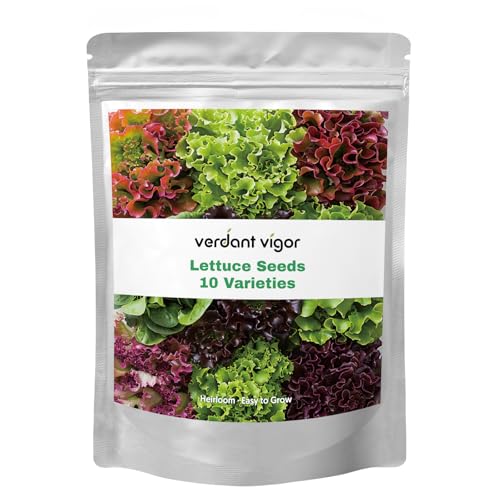
Healthy Food Source: Because of its tender flavor, lettuce is a popular vegetable for salad, sandwiches, wraps, soups, stir-fries and juice. There are over 20,000 seeds, 10 kinds of lettuce collection, including bibb, boston, iceberg, buttercrunch, grand rapids TBR, oakleaf, ruby leaf, cimmaron romaine and waldmann's

Complete Lettuce Garden Starter Kit Indoor – 5 heirloom salad and green seed packets, 8 biodegradable soil disks, 8 plant markers, and 8 starter pots. Romaine, Spinach, Arugula, Kale and Buttercrunch lettuce heirloom seeds are the star of the set!

【Value Package】The kit contain 4 pcs base trays, 4 pcs seed trays with 12 cells in each, 4 pcs humidity lids with dome, and 50 pcs peat pellets, not need soil to fill the cells, help you keep clean and tidy when planting, and creates a moist and warm environment needed for seed germination.
Choosing the Right Varieties
Select varieties that suit your climate and growing conditions. Consider:
- Romaine Lettuce: Tolerates heat better, grows upright, and is durable.
- Butterhead Lettuce: Soft, tender leaves thrive in cooler temperatures.
- Leaf Lettuce: Fast-growing, ideal for staggered planting.
Experimenting with different varieties can help you discover which ones flourish in your garden. Keep climate preferences in mind, as they can affect growth rates.
Best Practices for Planting and Maintenance
Implement effective planting and maintenance practices to optimize lettuce growth. Use these tips:
- Start Seeds Indoors: Begin six to eight weeks before the last frost date. Transplant seedlings when they reach about 3 inches tall.
- Plant in Rows: Space seeds about 12 inches apart in rows, giving each plant room to grow.
- Mulch: Apply a layer of organic mulch to retain moisture and suppress weeds.
- Water Regularly: Maintain consistent soil moisture. Aim for 1 to 1.5 inches of water weekly.
Monitor your plants for pests regularly, and use organic pest control methods when necessary. Rotate crops each season to reduce pest populations and improve soil health.
By selecting appropriate varieties and following best practices for planting and maintenance, you ensure a thriving lettuce crop.
Conclusion
Growing lettuce might seem like an easy task but it comes with its own set of challenges. By paying attention to the right variety and creating the ideal growing conditions you can set yourself up for success.
Remember that consistent watering proper soil quality and pest management are key to thriving lettuce plants. With a little patience and care you can enjoy fresh homegrown lettuce that adds flavor and nutrition to your meals. So roll up your sleeves and get ready to dig in—your garden awaits!
Frequently Asked Questions
What are the best lettuce varieties to grow at home?
The best lettuce varieties for home gardening include Romaine, Butterhead, and Leaf Lettuce. Romaine is heat-tolerant, Butterhead offers a tender texture, and Leaf Lettuce grows quickly. Choosing a variety that matches your climate and personal taste can improve your growing success.
What environmental conditions does lettuce need?
Lettuce thrives in temperatures between 60°F to 70°F, with at least 6 hours of direct sunlight each day. It prefers well-draining, nutrient-rich soil with a pH level between 6.0 and 7.0. Maintaining these conditions is crucial for healthy growth.
How often should I water my lettuce?
Lettuce requires regular watering to keep the soil consistently moist. Aim to provide 1 to 1.5 inches of water per week. Monitoring soil moisture and avoiding water stress are key factors for successful lettuce cultivation.
What pests should I be aware of when growing lettuce?
Common pests that threaten lettuce include aphids, snails, slugs, and lettuce root aphids. Regular monitoring and implementing pest control methods, such as natural predators or organic treatments, can help you manage these challenges effectively.
How can I prevent lettuce from bolting?
To prevent bolting, maintain consistent temperatures and provide shade during hot weather. Planting at the right times and monitoring temperature fluctuations are also important strategies to keep your lettuce thriving and avoid premature flowering.
What soil type is best for lettuce?
Lettuce grows best in loamy soil enriched with organic matter. Conducting soil tests can help ensure balanced nutrition. Well-draining soil with a pH of 6.0 to 7.0 is essential for healthy lettuce growth.
What are some effective growing tips for lettuce?
Effective growing tips include starting seeds indoors, practicing succession planting for continuous harvests, and using row covers for protection. Regular monitoring for pests and maintaining consistent watering practices will enhance your lettuce cultivation.
