

Ever wondered what makes romaine lettuce stand out in the produce aisle? You’re not alone! This leafy green often gets overshadowed by its more popular counterparts, but it has a unique look that’s worth exploring.
Key Takeaways
- Unique Appearance: Romaine lettuce features long, oval-shaped leaves with a distinct upright structure, making it visually appealing in salads and dishes.
- Color and Texture: The outer leaves are darker and crinkly, while the inner leaves are lighter and tender, providing a satisfying crunch and flavor contrast.
- Nutritional Benefits: Rich in vitamins A, K, and folate, romaine lettuce supports vision, immune function, and overall health due to its high fiber and antioxidant content.
- Culinary Versatility: Romaine is ideal for salads, wraps, sandwiches, and soups, enhancing both texture and nutritional value in a variety of dishes.
- Variety Options: Common types, such as standard and mini romaine, cater to different serving needs, allowing for greater choice in meal preparation.
- Serving Suggestions: Enjoy romaine raw or lightly cooked to maximize benefits, combining with colorful ingredients for a nutritionally balanced meal.
Appearance of Romaine Lettuce
Romaine lettuce stands out with its unique features. It combines crispness and vibrant color, making it an appealing choice in salads and dishes.
Color and Texture
Romaine lettuce showcases a rich green color. The outer leaves display a darker shade, while the inner leaves appear lighter green or yellow-green. The texture varies between the leaves; outer leaves are thicker and crinklier, providing a robust crunch. Inner leaves feel softer and are tender, creating a pleasant contrast.
Leaf Shape and Size
Romaine lettuce leaves are long and oval-shaped, resembling a boat’s hull. The leaves grow upright, forming a tall, loose structure. Each leaf measures around 8 to 12 inches in length and about 4 to 6 inches wide at the broadest point. This shape allows for easy stacking and makes it ideal for use in sandwiches, giving a satisfying crispness to every bite.
Varieties of Romaine Lettuce
Romaine lettuce comes in several varieties, each with unique characteristics. Recognizing the differences can enhance your choices in salads and dishes.
Recommended Products

Looking for heirloom non-GMO seeds for your garden? Here they are!
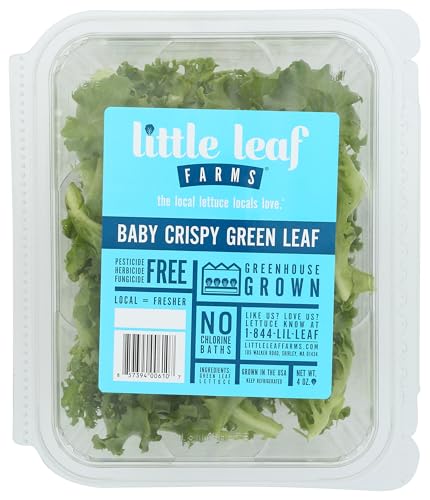
Selected and stored fresh

Compact Gourmet Romaine Blend: This seed mix features two premium baby Romaine varieties—Truchas and Breen—each bred for vibrant color, flavor, and space-saving growth. Truchas matures to 6–8 inches with upright crimson-tipped leaves, while Breen offers deeper red, broader foliage with a succulent texture. Together they create a visually stunning and delicious mix that thrives in compact growing spaces.
Standard Romaine
Standard romaine features long, dense leaves that are vibrant green. The outer leaves are typically dark green and sturdy, while the inner leaves are lighter and more tender. This variety commonly reaches around 12 to 18 inches in height. Standard romaine adds a crisp texture and a slightly sweet flavor to salads and sandwiches. You often find it in grocery stores or farmer’s markets, making it a staple for many recipes.
Mini Romaine
Mini romaine offers a compact alternative to standard romaine. Typically measuring about 6 to 8 inches in height, mini romaine has leaves that are similarly crisp but come in smaller portions. These smaller heads often provide an intense flavor that works well in individual servings or for garnishes. Mini romaine is ideal for salads, as it allows for manageable portions. You might also enjoy using mini romaine in wrap recipes or as a vessel for dips.
Nutritional Aspects Related to Appearance
Romaine lettuce offers several nutritional benefits tied to its appearance. You may notice the vibrant green color, which indicates high levels of chlorophyll. This component plays a role in promoting detoxification and overall health.
Vitamins and Minerals
- Vitamin A: The darker outer leaves contain more beta-carotene, which converts to vitamin A in your body. This vitamin supports vision and immune function.
- Vitamin K: Romaine is rich in vitamin K, essential for blood clotting and bone health. It aids in the absorption of calcium and contributes to strong bones.
- Folate: This leafy green provides folate, important for DNA synthesis and cell division, particularly vital during pregnancy.
Fiber Content
Romaine lettuce contains dietary fiber, which aids in digestion and promotes a feeling of fullness. You can benefit from this fiber content by adding romaine to salads and wraps. Aim for a combination of romaine and other colorful vegetables to enhance fiber intake further.
Antioxidants
Romaine lettuce also contains antioxidants like flavonoids and phenolic acids. These substances protect your body from oxidative stress, reducing inflammation and chronic disease risks. The more varied your romaine choices, the greater the array of antioxidants you’ll consume.
Serving Suggestions
For maximum nutritional benefits, enjoy romaine lettuce raw or lightly cooked. Consider these practical serving ideas:
- Toss it in a salad with carrots and bell peppers for color and crunch.
- Use it as a wrap for proteins like chicken or turkey.
- Blend it into smoothies for a nutrient boost.
Incorporating romaine lettuce into your meals not only makes dishes visually appealing but also elevates nutritional value, offering a wealth of vitamins, minerals, and antioxidants.
Culinary Uses of Romaine Lettuce
Romaine lettuce offers versatility in the kitchen. It enhances many dishes with its crisp texture and rich flavor.
Recommended Products

One-Touch OXO Salad Spinner: Did you know that OXO invented the one-touch salad spinner? Its one-handed pump gives you maximum drying of lettuce with minimum effort

Maximum Lettuce-Drying, Minimum Effort: Use the OXO Salad Spinner's one-handed pump to thoroughly dry greens, beans, even use it as a fruit washer. The salad spinners best rated always include a superior rinse, spin, and dry like ours

Selected and stored fresh
Salads
Romaine serves as the base in various salads. Caesar salad, with romaine, croutons, and parmesan cheese, is a classic. You can also mix romaine with other greens, like spinach or arugula, to create fresh and nutrient-packed salads.
Wraps
Romaine’s sturdy leaves make excellent wraps. Fill them with grilled chicken, vegetables, or hummus for a healthy, low-carb alternative to tortillas. Mini romaine leaves are perfect for bite-sized wraps as appetizers.
Sandwiches and Burgers
Use romaine lettuce to add crunch to sandwiches and burgers. Its long leaves can easily layer with other sandwich ingredients, offering texture alongside meats and cheeses.
Soups
You can incorporate chopped romaine into soups for added nutrition. When added at the end of cooking, it wilts slightly yet retains some crunch, enhancing the overall dish.
Sides
Serve romaine as a side dish. Toss it with a simple vinaigrette or grill it for a smoky flavor. Roasted romaine with olive oil, salt, and pepper can become a delightful side.
Juicing and Smoothies
Blend romaine into smoothies or juices for a nutrient boost. Its mild flavor pairs well with fruits, making it an easy addition without overpowering other ingredients.
Romaine lettuce proves itself a favorite for salads and beyond, bringing freshness to a wide variety of dishes. The next time you’re in the kitchen, consider romaine’s potential to enhance your meals.
Conclusion
Romaine lettuce is more than just a salad staple; it’s a vibrant and nutritious choice that can elevate your meals. With its unique texture and rich color it adds a delightful crunch and visual appeal to any dish. Whether you’re enjoying a classic Caesar salad or using its sturdy leaves for wraps and sandwiches you’re sure to appreciate its versatility.
Don’t forget the health benefits that come with romaine. Packed with vitamins and antioxidants it’s a fantastic way to boost your nutrition. Next time you’re in the produce aisle take a moment to appreciate the beauty of romaine lettuce and consider how it can enhance your culinary creations.
Frequently Asked Questions
What is romaine lettuce?
Romaine lettuce is a type of leafy green vegetable known for its long, oval-shaped leaves that are crisp and vibrant green. It features thicker, crinkly outer leaves and softer inner leaves, making it a popular choice for salads and wraps.
What are the different types of romaine lettuce?
The main types of romaine lettuce are standard romaine and mini romaine. Standard romaine has long, dense leaves and is commonly found in grocery stores, while mini romaine is smaller, with intense flavor, making it perfect for individual servings.
What are the nutritional benefits of romaine lettuce?
Romaine lettuce is rich in vitamins and minerals, including vitamin A, vitamin K, folate, and dietary fiber. Its vibrant green color indicates high chlorophyll levels, promoting detoxification and overall health. Antioxidants in romaine also help reduce inflammation.
How can I use romaine lettuce in cooking?
Romaine lettuce is versatile and can be used in many ways. It serves as a base for salads, a filling for wraps, and can enhance sandwiches. You can also toss it in soups, blend it into smoothies, or grill it as a side dish.
How should I store romaine lettuce?
To store romaine lettuce, keep it in the vegetable crisper drawer of your refrigerator. Wrap it in a damp paper towel and place it in a perforated plastic bag to maintain freshness. This helps prevent wilting and preserves its crispness.
