

Have you ever wanted fresh, crisp lettuce right from your garden, no matter the season? Growing lettuce year-round might seem like a challenge, but it’s easier than you think. Whether you’re a seasoned gardener or just starting out, you can enjoy homegrown greens all year long.
Key Takeaways
- Ideal Temperature Range: Lettuce thrives best in temperatures between 60°F and 70°F; temperatures above 75°F can lead to bolting and bitter leaves.
- Diverse Varieties: Choose from popular lettuce varieties such as Butterhead, Romaine, and Leaf Lettuce to ensure flavor and texture in your year-round harvest.
- Soil and Container Importance: Use well-draining, nutrient-rich soil with a pH of 6.0 to 7.0, and select containers at least 6 to 8 inches deep to support root growth.
- Light Requirements: Provide 12 to 16 hours of light daily, using grow lights as necessary during winter months to promote robust growth.
- Watering and Fertilization: Water deeply but infrequently, and fertilize regularly with balanced, nitrogen-rich options to maintain healthy crops.
- Pest Management: Stay vigilant against common pests like aphids and slugs; monitor plants for signs of distress and address issues promptly to maintain productivity.
Understanding Lettuce Growth
Lettuce thrives in cooler temperatures, making it a suitable crop for year-round cultivation. You’ll see optimal growth when temperatures range from 60°F to 70°F. Going beyond this range, especially above 75°F, can trigger bolting, where the plant flowers and becomes bitter.
Key Growth Stages
- Germination: Lettuce seeds germinate in about 7 to 14 days. Ensure moist soil for successful germination.
- Seedling Stage: After germination, seedlings develop true leaves within 2 to 3 weeks. Keep them in bright light for strong growth.
- Mature Growth: Lettuce reaches maturity in 45 to 85 days, depending on the variety. Monitor for growth and overall health during this period.
Popular Lettuce Varieties
- Butterhead: Forms loose heads and exhibits a sweet flavor, maturing in 55 to 75 days.
- Romaine: Known for its crunchy texture, Romaine typically grows in about 75 days.
- Leaf Lettuce: Quick to grow, leaves can be harvested within 30 to 45 days.
Environmental Factors
- Light: Lettuce requires at least 12 to 16 hours of light daily. Use grow lights in winter or low-light conditions to supplement natural sunlight.
- Watering: Maintain consistent moisture without waterlogging the soil. Aim to keep the top inch of soil moist.
- Soil: Use well-draining soil rich in organic matter. A pH level between 6.0 and 7.0 works best.
- Indoor: Utilize hydroponic systems or containers near windows. Indoor gardening allows for control over temperature and light.
- Outdoor: Choose a sheltered garden spot, using row covers in colder months to protect against frost.
By understanding these growth factors and stages, you position yourself for success in growing lettuce year-round.
Choosing the Right Lettuce Varieties
Selecting the right lettuce varieties makes a significant difference in your year-round success. Focus on varieties that adapt well to varying temperatures and growing conditions.
Leafy Varieties
Leafy lettuce varieties are popular for their rapid growth and tender leaves. These types produce multiple harvests throughout their growing cycle. Some common leafy varieties include:
- Black-Seeded Simpson: This variety grows quickly, often ready for harvest in about 30 days. It adapts well to different environments.
- Butterhead: Known for its soft, buttery texture, Butterhead thrives in cooler weather but can tolerate warmth. Expect a harvest in about 60 days.
- Claytonia: Also called miner’s lettuce, this variety grows in partial shade and remains tender even in low light conditions. Harvest occurs in about 30 days.
These leafy varieties are perfect for continuous cropping. Plant smaller amounts every couple of weeks, ensuring a steady supply.
Head Varieties
Head lettuce varieties produce tightly packed leaves and often take longer to mature. They provide a crisp texture, suitable for salads and sandwiches. Consider the following head varieties:
- Romaine: Also known as Cos lettuce, Romaine has a sturdy structure, making it ideal for grilling and salads. Maturity occurs in 60 to 75 days.
- Iceberg: This classic lettuce is known for its crisp, dense head. While it prefers cooler temperatures, it can handle slightly warmer conditions as well. Expect a full harvest in about 80 days.
- Buttercrunch: A cross between head and leaf lettuce, Buttercrunch is heat tolerant and produces firm heads. You can harvest it in about 60 days.
Choose head lettuce varieties for a more structured garden layout, as they take up more space than leafy options. Mix these varieties in your planting schedule to enjoy both texture and flavor all year long.
Preparing for Year-Round Growth
Preparing your garden environment is essential for successful year-round lettuce growth. Focusing on soil quality and choosing the right containers sets a solid foundation for your plants.
Recommended Products
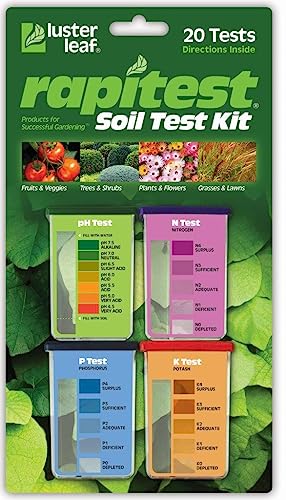
Quick, at home results for Soil pH, Nitrogen, Phosphorous and Potash Innovative and inexpensive soil test kit features an easy-to-use capsule system and patented color comparators

Kindly NOTE: This soil tester can not be applied to test pH value of any other liquid. If the soil is too dry the indicator will not move, and water it before testing.

How to Accurately Test Garden's Soil pH? Many growers do not able to use the correct tools and methods to obtain accurate soil ph values; NewTest soil ph test kit includes upgraded soil ph test strips, measuring cylinders, and instructions for professional testing methods; it allows even beginners to easily and accurately obtain soil ph values
Soil Requirements
Soil plays a critical role in lettuce growth. Opt for a well-draining, nutrient-rich soil mix. The ideal pH level for lettuce ranges from 6.0 to 7.0.
- Test Soil: Use a pH meter or kit to check your soil’s acidity or alkalinity.
- Amend Soil: If necessary, add lime to raise the pH or sulfur to lower it.
- Enrich Soil: Mix compost or well-rotted manure into your soil to boost nutrients. Aim for at least 25% organic matter in the mix.
- Aerate Soil: Ensure proper drainage by loosening the soil to a depth of at least 12 inches.
Following these steps enhances soil quality, ensuring your lettuce thrives throughout the seasons.
Container Selection
Selecting the right container is key for growing lettuce, especially in limited spaces. Containers allow flexibility in location and control over conditions.
- Size Matters: Choose containers that are at least 6 to 8 inches deep. This depth accommodates root growth and moisture retention.
- Material Options: Use plastic, ceramic, or fabric pots. Each material offers different benefits in terms of insulation and drainage.
- Drainage Holes: Ensure your chosen containers have adequate drainage holes. This prevents root rot by allowing excess water to escape.
- Mobility: Consider using containers with wheels or those that are lightweight. This makes it easy to move them indoors or outdoors based on weather conditions.
By focusing on soil quality and container selection, you lay a strong foundation for the year-round growth of luscious lettuce.
Ideal Growing Conditions
Lettuce thrives when provided with the right growing conditions. Focus on temperature control and lighting requirements to ensure a successful year-round harvest.
Recommended Products
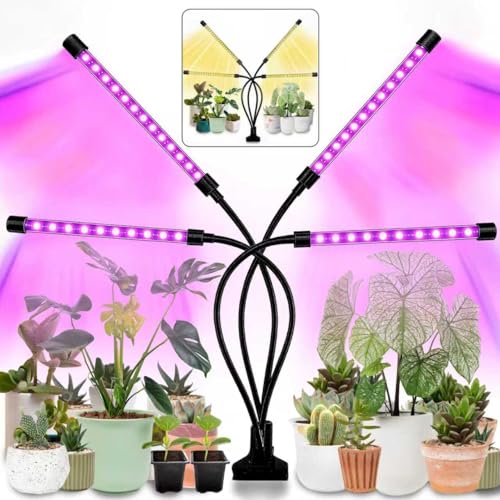
🌻Efficient LED Combination: This LED lamp has grow lights made up of 80 efficient growing LEDs ( 32 red lights, 12 blue lights,20 yellow lights and 16 white lights). It meets the conditions of plant growth without sunlight. 1--Full Spectrum(380nm-800nm): Suitable for all plants to root and sprout. 2--Red(660nm)+BLUE(460nm) Spectrum: for blooming and fruits. 3--Red+Blue+Full Spectrum: A mix of Red+Blue+Warm White is best to fuel the growth of your plants.
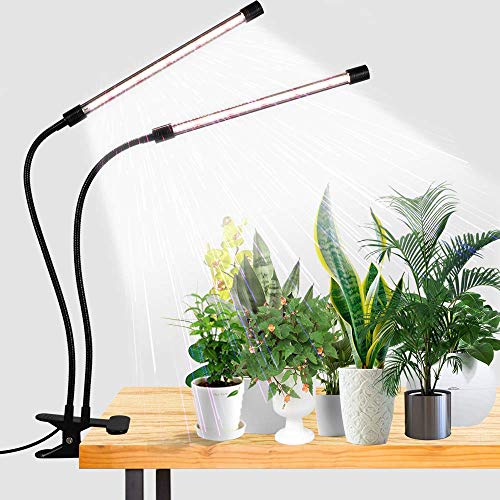
6000K White Light - equipped with 10 Red + 74 White LEDs, this growing Lamp is similar to the full-spectrum sunlight at noon,that is professionally designed for indoor garden plants.Moreover, its color rendering index is as high as 95, the light is soft and flicker-free, which is very suitable for reading lamp

NOTE: The product stand needs to be pressed down by the flower pot to be stable. Not wireless style. 2 Installation Methods: Specially designed plant light for indoor plants, which can be inserted in the soil or stand for lighting.Unique and easy to assemble and disassemble.
Temperature Control
Maintain temperatures between 60°F and 70°F for optimal lettuce growth. If temperatures rise above 75°F, lettuce may bolt, producing flowers and seeds instead of leaves. Utilize shade cloths during hot months to lower temperatures, or consider growing indoors where you can control the environment. For outdoor growing in colder months, protect your plants with row covers to retain heat, or use cold frames to extend the growing season. Monitoring temperatures with a thermometer helps you make necessary adjustments for consistent growth.
Lighting Requirements
Lettuce requires about 12 to 16 hours of light daily for robust growth. Indoors, use full-spectrum LED grow lights to provide the right intensity. Position lights 12 to 18 inches above the plants and adjust their height as they grow. Outdoors, choose a location that receives partial sunlight, especially in warmer months, to prevent overheating. If natural light is insufficient, you might need to supplement with grow lights, especially during winter months when day length is shorter. Regularly rotating pots ensures all sides of your plants receive equal light exposure.
Maintenance Tips for Healthy Lettuce
Maintaining healthy lettuce requires consistent care in watering and fertilization. Here are essential strategies to keep your crops thriving.
Watering Techniques
Water lettuce deeply but infrequently. This encourages roots to grow down into the soil, making them stronger. Aim for about 1 to 1.5 inches of water each week, adjusting for weather conditions. Use the following methods for effective watering:
- Test Soil Moisture: Stick your finger about an inch into the soil. If it’s dry, it’s time to water.
- Water Early or Late: Water during early morning or late afternoon to reduce evaporation. This timing helps plants absorb more moisture.
- Drip Irrigation: Consider installing a drip irrigation system. It delivers water directly to the roots, minimizing waste and reducing fungal diseases.
Fertilization Strategies
Lettuce benefits from regular fertilization, especially with nitrogen-rich options. Fertilize your plants every 2 to 4 weeks to ensure nutrient availability. Follow these strategies for optimal results:
- Use Balanced Fertilizers: Choose fertilizers with equal parts nitrogen, phosphorus, and potassium, like a 10-10-10 mixture. This balance supports overall growth.
- Organic Options: Incorporate compost or well-rotted manure into the soil before planting. These organic choices enrich the soil and improve texture.
- Liquid Fertilizers: Apply liquid fertilizers diluted to half strength during the growing season. This method promotes quick absorption and effective nutrient delivery.
By following these maintenance tips, you can support healthy growth and enjoy delicious, crisp lettuce throughout the year.
Common Pests and Troubleshooting
Growing lettuce year-round can attract various pests. Identifying these pests and knowing how to troubleshoot common issues can enhance your gardening success.
Common Pests
- Aphids
Aphids appear as tiny green or black insects on your lettuce leaves. They extract sap, leading to wilted or stunted growth. Use a strong spray of water to dislodge them, or introduce ladybugs to your garden. - Slugs and Snails
Slugs and snails feed on tender lettuce leaves, causing holes and damage. Set out traps using beer or create barriers with crushed eggshells around your plants. - Leaf Miners
Leaf miners burrow between leaf layers, creating visible trails. Remove affected leaves immediately to stop their spread. Implement crop rotation to reduce their populations in future seasons. - Cabbage Worms
Cabbage worms are green caterpillars that eat foliage. Hand-picking these pests can be effective. You can also cover your crops with floating row covers to prevent moths from laying eggs. - Whiteflies
Whiteflies look like tiny white moths and thrive in warm conditions. They weaken plants and can transmit diseases. Sticky traps or insecticidal soap can help control them.
- Wilting Leaves
Wilting often indicates underwatering. Check soil moisture, and if it’s dry, water deeply to revive your plants. - Yellowing Leaves
Yellowing could signal nutrient deficiency or overwatering. Test the soil and ensure proper nutrient balance. For deficiencies, add a balanced fertilizer. - Slow Growth
Slow growth may stem from poor lighting conditions. Ensure your lettuce gets enough light, ideally 12 to 16 hours daily, or consider using LED grow lights indoors. - Brittle or Tough Texture
Lettuce may become tough if temperatures exceed preference levels. To mitigate this, provide shade when temperatures rise above 70°F. - Bolting
Bolting occurs when plants flower prematurely due to heat. To slow this, choose bolt-resistant varieties and ensure consistent watering to help regulate temperature.
By staying vigilant and addressing these common pests and issues promptly, you can enjoy thriving lettuce plants throughout the year.
Conclusion
Growing lettuce year-round is not just a dream; it’s totally achievable with a little effort and the right approach. By selecting suitable varieties and maintaining ideal conditions you can enjoy fresh greens no matter the season.
Remember to pay attention to soil quality and watering routines to keep your plants healthy and thriving. Staying on top of pest management will also help you avoid any setbacks.
So whether you’re a seasoned gardener or just starting out don’t hesitate to dive into this rewarding experience. Your taste buds will thank you for the crisp and delicious lettuce you’ll have at your fingertips all year long. Happy gardening!
Frequently Asked Questions
How can I grow lettuce year-round?
You can grow lettuce year-round by selecting the right varieties that thrive in cooler temperatures, between 60°F and 70°F. Use well-draining soil and provide adequate water and light. You can grow lettuce indoors with grow lights or outdoors with row covers to manage temperature. Following the growth stages—from germination to maturity—will help you enjoy fresh lettuce throughout the year.
What are the best lettuce varieties for beginners?
Popular lettuce varieties for beginners include Butterhead, Romaine, and Leaf Lettuce. These types are known for their ease of growth, adaptability to various conditions, and delicious taste. Leafy varieties like Black-Seeded Simpson also grow quickly, making them ideal for those new to gardening.
What soil is best for growing lettuce?
A well-draining, nutrient-rich soil mix is ideal for growing lettuce. Aim for a pH level between 6.0 and 7.0. You can improve your soil by testing and amending it with organic matter, ensuring it is aerated and capable of holding moisture without becoming waterlogged.
How much light does lettuce need?
Lettuce requires about 12 to 16 hours of light daily. For indoor growing, full-spectrum LED grow lights are excellent for ensuring proper growth. When growing outdoors, position your plants to maximize sunlight exposure throughout the day, particularly during the cooler months.
What are common pests that affect lettuce?
Common pests that can affect lettuce include aphids, slugs, snails, leaf miners, cabbage worms, and whiteflies. Regularly inspect your plants for signs of these pests and take preventive measures, such as using organic pest control methods, to protect your lettuce.
How can I water lettuce effectively?
Water your lettuce deeply but infrequently, allowing the soil to dry out slightly between watering. Test the soil moisture with your finger, and consider using drip irrigation for consistent moisture without overwatering, which can lead to root rot.
What are signs of unhealthy lettuce plants?
Signs of unhealthy lettuce include wilting, yellowing leaves, slow growth, brittle texture, and bolting. To address these issues, assess your growing conditions, such as temperature, water, and light, and make the necessary adjustments promptly.
Can I grow lettuce indoors?
Yes, lettuce can be successfully grown indoors using pots and grow lights. Ensure your indoor environment maintains the ideal temperature range and provides sufficient light. This allows for year-round cultivation even when outdoor conditions aren’t suitable.
