

Have you ever wished for fresh, crunchy lettuce right at your fingertips? Growing your own lettuce indoors can turn that dream into reality. Imagine snipping off a few leaves for your salad without ever leaving your home. It’s not just convenient; it’s also fun and rewarding.
In this article, you’ll discover simple steps to create the perfect indoor environment for your lettuce. Whether you’re a seasoned gardener or a complete novice, you’ll find practical tips to help you succeed. Say goodbye to store-bought greens and hello to a thriving indoor garden that adds flavor to your meals and a touch of green to your space.
Key Takeaways
- Freshness and Convenience: Growing lettuce indoors gives you access to fresh, nutritious greens right at home, eliminating trips to the store.
- Year-Round Availability: Indoor gardening allows for continuous harvesting of lettuce irrespective of seasonal changes, ensuring a steady supply.
- Space and Cost Efficiency: Lettuce can thrive in limited spaces, making it ideal for small apartments. It is also a cost-effective alternative to store-bought greens.
- Pest Management: Indoor growing minimizes pest exposure, leading to healthier, chemical-free lettuce, supporting sustainable eating habits.
- Learning Opportunity: Growing lettuce indoors enhances your gardening skills, providing hands-on experience with various techniques and varieties.
- Improved Indoor Air Quality: Indoor plants like lettuce contribute to better air quality by absorbing carbon dioxide and releasing oxygen, promoting a healthier living environment.
Benefits Of Growing Lettuce Indoors
Growing lettuce indoors provides several advantages that enhance your gardening experience and improve your meals.
Freshness At Your Fingertips
Fresh lettuce adds flavor and nutrition to meals. When you grow it indoors, you pick it just before use, ensuring maximum freshness. You enjoy crisp greens without trips to the store.
Year-Round Harvest
Indoor growth allows you to cultivate lettuce regardless of the season. With proper lighting, you can harvest fresh leaves in winter or during adverse weather conditions. This leads to a consistent supply of your favorite greens.
Space Efficiency
Lettuce thrives in small spaces. Containers placed on kitchen counters, windowsills, or shelves utilize limited space. You don’t need a garden; even small apartments accommodate indoor gardening.
Pest Control
Indoor gardening minimizes exposure to common pests. Without outdoor threats, your lettuce requires fewer pesticides, leading to healthier, chemical-free produce. This benefit supports a sustainable approach to eating.
Learning Experience
Growing lettuce indoors offers a practical way to improve your gardening skills. You experiment with different varieties, lighting options, and watering techniques. This hands-on experience enhances your confidence as a gardener.
Cost-Effectiveness
Growing your own lettuce can be cost-effective. Seed packs are often inexpensive, and the supplies for indoor gardening are manageable. Over time, your investment pays off as you reduce grocery bills.
Indoor Air Quality
Plants improve indoor air quality. Lettuce, like other houseplants, absorbs carbon dioxide and releases oxygen. You enjoy not just fresh greens but also a healthier living space.
Growing lettuce indoors presents numerous benefits. You experience fresh flavors, convenience, and an enjoyable hobby, all while enhancing your indoor environment.
Choosing The Right Lettuce Varieties
Selecting the right lettuce variety is crucial for successful indoor gardening. Different types offer unique textures and flavors, allowing you to customize your salads and dishes to your preference.
Recommended Products

USDA Certified Organic by Oregon Tilth
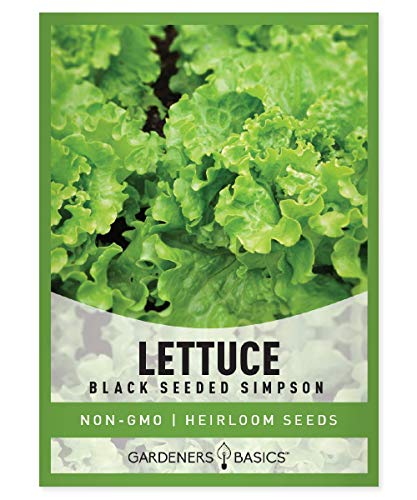
DELICIOUS TRUSTED VARIETY - Popular leafy lettuce seed used by gardeners for years.
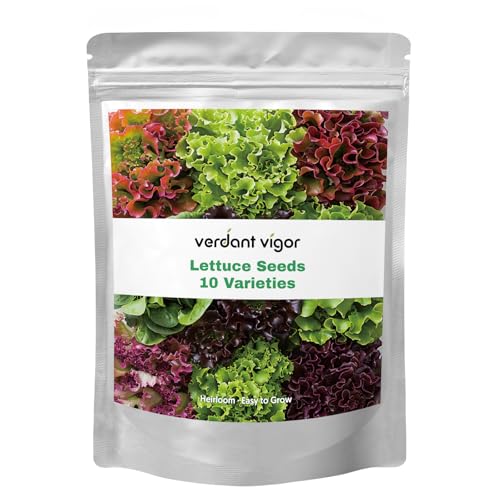
Healthy Food Source: Because of its tender flavor, lettuce is a popular vegetable for salad, sandwiches, wraps, soups, stir-fries and juice. There are over 20,000 seeds, 10 kinds of lettuce collection, including bibb, boston, iceberg, buttercrunch, grand rapids TBR, oakleaf, ruby leaf, cimmaron romaine and waldmann's
Leaf Lettuce
Leaf lettuce is versatile and easy to grow indoors. Varieties like “Black Seeded Simpson” and “Red Romaine” thrive in containers. They grow quickly, often maturing in 30 to 45 days. You can harvest leaves continuously, promoting regrowth and extending your harvest period. Look for seeds that are well-suited for smaller spaces, as these varieties flourish with minimal light and care.
Romaine Lettuce
Romaine lettuce features crisp leaves and a satisfying crunch, making it popular in salads. Varieties like “Parris Island Cos” and “Winter Density” perform well indoors. These typically take about 70 to 75 days to mature. When growing romaine, provide ample light and consistent moisture. You can enjoy the satisfaction of harvesting entire heads or individual leaves as needed, making it a flexible choice for your indoor garden.
Butterhead Lettuce
Butterhead lettuce, known for its tender, buttery texture, includes varieties such as “Buttercrunch” and “Boston.” They mature in approximately 55 to 65 days and adapt well to indoor conditions. Plant these in deeper containers to accommodate their root systems. Check moisture levels regularly and ensure good air circulation to prevent mildew. Butterhead lettuce works beautifully in salads, providing a rich flavor that enhances your meals.
By carefully selecting lettuce varieties, you maximize your indoor gardening success, making the most of your space and efforts.
Required Equipment And Supplies
To grow your own lettuce indoors, you’ll need specific equipment and supplies. These tools ensure a successful growing environment and contribute to healthy, vibrant plants.
Recommended Products
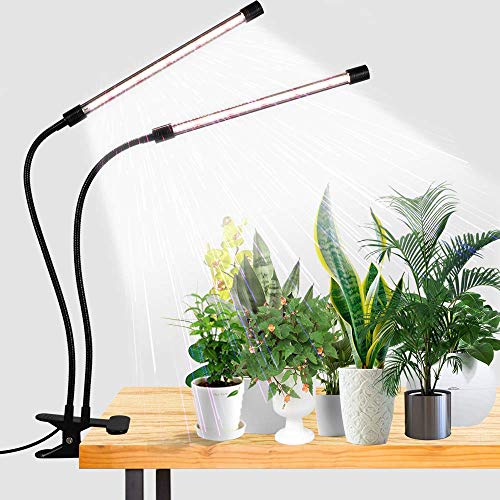
6000K White Light - equipped with 10 Red + 74 White LEDs, this growing Lamp is similar to the full-spectrum sunlight at noon,that is professionally designed for indoor garden plants.Moreover, its color rendering index is as high as 95, the light is soft and flicker-free, which is very suitable for reading lamp

NOTE: The product stand needs to be pressed down by the flower pot to be stable. Not wireless style. 2 Installation Methods: Specially designed plant light for indoor plants, which can be inserted in the soil or stand for lighting.Unique and easy to assemble and disassemble.

【Grow Lights for Indoor Plants】LBW grow light is tailored to meet the unique needs of plant lovers, this light offers 6/8/12/16H auto timer settings and 5 adjustable brightness levels for optimal growth. Its unique design, easy assembly, and space-saving base make it a perfect fit for any home decor, is perfect for various indoor plants, including succulents, herbs, and orchids etc. NOTE: The product stand needs to be pressed down by the flower pot to be stable
Containers And Soil
Use containers that provide adequate drainage, such as pots or bowls with holes in the bottom. Opt for sizes between 6 to 12 inches wide to allow root expansion. Choose soil that retains moisture yet drains well. A high-quality potting mix rich in organic matter works best. Avoid garden soil, as it may harbor pests or diseases unsuitable for indoor growth.
Lighting Options
Select lighting options that simulate natural sunlight. LED grow lights work well with full-spectrum capabilities, providing the right light spectrum for photosynthesis. Aim for 12-16 hours of light daily. Position lights 6-12 inches above the plants for optimal growth. If natural sunlight is available, place your lettuce near a south-facing window for several hours each day.
Watering Tools
Utilize a watering can with a long spout for precision in watering your lettuce. Water the soil evenly, keeping it moist, not soggy. Employ a moisture meter for accurate readings, ensuring you don’t over or under-water. Monitor the humidity levels, as lettuce prefers a humid environment, ideally around 40-60%.
Step-By-Step Guide To Growing Lettuce Indoors
Growing lettuce indoors is straightforward. Follow these steps to cultivate your greens successfully.
Seed Starting Process
- Choose Your Seeds: Select lettuce seeds suited for indoor growth. Leaf lettuce varieties, like ‘Buttercrunch’ or ‘Lola Rosa’, sprout quickly and thrive in containers.
- Prepare Containers: Use containers with drainage holes. Fill them with a high-quality potting mix. Ensure the mixture is loose and retains moisture.
- Sow Seeds: Plant seeds about ¼ inch deep. Space them according to the seed packet instructions, typically 2-4 inches apart.
- Water Lightly: Use a spray bottle for gentle watering. Keep the soil moist but not soggy. Overwatering can cause mold growth.
Care And Maintenance
- Provide Adequate Light: Place your containers near a south-facing window or use LED grow lights. Aim for 12-16 hours of light daily. Adjust the light height as plants grow.
- Maintain Temperature: Keep temperatures between 60°F and 70°F. Avoid extreme heat or cold, as it can stress the plants.
- Monitor Moisture: Check the soil moisture regularly. Use your finger to assess; if it feels dry an inch down, it’s time to water.
- Fertilize: Fertilize every two weeks with a balanced liquid fertilizer. Dilute according to package instructions to avoid over-fertilizing.
- Thin Seedlings: When seedlings reach 3 inches, thin them. Remove weaker plants to provide space for stronger ones to grow.
- Timing: Allow lettuce to grow to 6-8 inches tall before harvesting. Edible leaves can begin 4-6 weeks after sowing, depending on the variety.
- Method: Use scissors to clip leaves. Harvest leaves from the outer edge first, leaving the center intact for continual growth.
- Frequency: Harvest regularly to encourage new growth. This method, known as “cut and come again,” allows for multiple harvests from one planting.
- Storage: Store harvested lettuce in the fridge in a damp paper towel within a plastic bag. This retains freshness for about a week.
Follow these steps for a successful indoor lettuce garden, giving you fresh, crunchy greens whenever needed.
Conclusion
Growing your own lettuce indoors is a rewarding journey that brings fresh greens right to your kitchen. With just a little effort you can enjoy the crisp taste of homegrown lettuce year-round.
Remember to choose the right varieties and provide the ideal conditions for growth. Your indoor garden can flourish with the right lighting and care.
As you harvest your lettuce you’ll not only enhance your meals but also take pride in nurturing your plants. So go ahead and dive into indoor gardening, and savor the satisfaction of growing your own delicious greens. Happy gardening!
Frequently Asked Questions
What are the benefits of growing lettuce indoors?
Growing lettuce indoors provides several benefits, including easy access to fresh greens for salads, year-round cultivation regardless of outdoor conditions, and a reduced risk of pests. This method also allows for efficient use of small spaces and promotes better air quality, making it a rewarding experience for both beginners and experienced gardeners.
Which lettuce varieties are best for indoor gardening?
The best lettuce varieties for indoor gardening include leaf lettuce, which is quick to grow; romaine lettuce, known for its crispness; and butterhead lettuce, praised for its tender leaves. Choosing the right variety based on growth conditions and culinary uses can greatly enhance your indoor gardening success.
What equipment is needed to grow lettuce indoors?
To grow lettuce indoors, you need containers with proper drainage, high-quality potting mix, and adequate lighting. LED grow lights are recommended as they simulate natural sunlight. It’s also essential to have proper watering tools to maintain optimal soil moisture for healthy growth.
How do I start growing lettuce indoors?
Begin growing lettuce indoors by selecting suitable seeds, preparing your containers, and sowing the seeds in a high-quality potting mix. Water lightly and ensure they receive proper light. Follow care instructions by monitoring temperature, moisture, and fertilizing as needed to promote healthy growth.
When should I harvest my indoor lettuce?
You can harvest indoor lettuce when the leaves reach a desirable size. Regular harvesting encourages new growth, allowing you to enjoy fresh greens frequently. Use clean scissors for cutting and store the harvested leaves in a cool place or the refrigerator to maintain their freshness.
