

Ever opened your fridge to find wilted, brown lettuce staring back at you? It’s a frustrating moment, especially after you’ve just prepped a fresh salad. Keeping cut lettuce fresh can feel like a challenge, but it doesn’t have to be.
Key Takeaways
- Enhancing Flavor and Nutrition: Keeping cut lettuce fresh ensures it retains its flavor, vibrant color, and higher nutritional value.
- Methods to Preserve Freshness: Employ techniques like water soaking and the paper towel method to maintain lettuce crispness and extend shelf life.
- Optimal Storage Conditions: Store cut lettuce at temperatures between 32°F and 36°F in airtight containers or wrapped with paper towels to absorb excess moisture.
- Avoid Common Mistakes: Thoroughly dry the lettuce, use paper towels, minimize air in storage, and avoid overcrowding to prevent spoilage.
- Preventing Food Waste: Maintaining the freshness of cut lettuce helps reduce food waste, saving you money while promoting healthy eating habits.
- Visual Appeal: Fresh lettuce improves the visual appeal of salads, making meals more inviting and encouraging healthier choices.
Importance Of Keeping Cut Lettuce Fresh
Keeping cut lettuce fresh enhances both flavor and nutritional value. Fresh lettuce retains its crisp texture and vibrant color, making meals more enjoyable. Nutritionally, fresh lettuce contains higher levels of vitamins and minerals, which diminish as it wilts or browns.
Freshness also impacts food safety. Wilted lettuce can harbor bacteria more easily, increasing the risk of foodborne illness. Ensuring your cut lettuce stays fresh reduces this risk and promotes healthier eating habits.
Economically, maintaining freshness minimizes food waste. You save money by extending the shelf life of your produce. Fresh cut lettuce allows you to enjoy salads and other dishes throughout the week, making meal planning more efficient.
Lastly, fresh lettuce contributes to visual appeal. Crisp, vibrant greens make salads look more inviting and appetizing, encouraging you and your family to enjoy healthier meals. By prioritizing freshness, you create delicious, nutritious dishes that everyone loves.
Best Methods To Keep Cut Lettuce Fresh
Keeping cut lettuce fresh requires careful handling. You can utilize several methods to preserve its crispness and flavor effectively.
Recommended Products

5 packs : You will get 5 fridge storage containers with colander size from 300 ml to 4200 ml [10 oz - 148 oz ]. Suited for Most fruits, vegetables, berries, meats.

Better for different produce : You will get 4 sized fridge organizers and 4 matched colanders that could be used in the container or separate. Size from 0.32 L to 2.7 L [ 0.34 - 2.85 qt ]. Suited for berries, fruits, vegetables, meats

PRODUCE STORAGE CONTAINER + COLANDER: This produce saver features an adjustable air vent & water reservoir to create the ideal environment for fresh fruits & vegetables, keeping them fresh longer.
Water Soaking Technique
This method keeps cut lettuce rejuvenated. Start by filling a bowl with cold water. Submerge the cut lettuce for about 10 minutes. The water helps rehydrate the leaves, restoring crispness. After soaking, drain the lettuce and gently pat it dry with a clean cloth or paper towel. Store the lettuce in an airtight container lined with a paper towel to absorb excess moisture. This technique works particularly well for head lettuces like romaine and butter lettuce.
Paper Towel Method
This method helps remove moisture while discouraging spoilage. First, place your cut lettuce in a colander to allow any excess water to drip off. Next, lay a dry paper towel on a plate or in a container. Spread the lettuce evenly over the towel. Cover the lettuce with another paper towel to absorb any moisture. Seal the container with a lid or plastic wrap. This method keeps cut lettuce fresh for about 3 to 5 days in the fridge. Consider checking the towels periodically, replacing them if they become too damp.
By using these methods, you enhance the longevity of your cut lettuce and reduce food waste.
Storage Tips For Cut Lettuce
Maintaining the freshness of cut lettuce requires careful storage techniques. Follow these guidelines to keep your lettuce crisp and flavorful.
Ideal Temperature Settings
Store cut lettuce in the fridge at temperatures between 32°F and 36°F (0°C and 2°C). This range maintains its freshness without freezing the leaves. Avoid placing lettuce near the fridge door, where temperatures fluctuate. Instead, settle it on a middle or upper shelf for more consistent cooling.
Choosing The Right Container
Select an airtight container to store your cut lettuce. Containers with tight-fitting lids minimize exposure to air and moisture. Consider glass or plastic containers with built-in vents to enhance airflow. Line the bottom with a dry paper towel to absorb any excess moisture, which helps prevent wilting. When using plastic bags, ensure they’re resealable and avoid packing them too tightly, leading to bruising.
Common Mistakes To Avoid
Avoiding mistakes when storing cut lettuce keeps it fresh longer. Here are common pitfalls to watch for:
- Skipping the Drying Step: After rinsing cut lettuce, you must dry it thoroughly. Excess moisture promotes spoilage. Use a salad spinner or some clean paper towels for drying.
- Sealing in Air: When placing lettuce in an airtight container, don’t leave any air inside. Oxygen accelerates wilting. Choose containers that minimize air space.
- Not Using Paper Towels: Failing to use paper towels to absorb moisture allows condensation to form, leading to soggy leaves. Always layer lettuce with dry paper towels.
- Ignoring Temperature Guidelines: Keeping lettuce outside the recommended fridge temperature range damages its texture and leads to spoilage. Maintain storage temperatures between 32°F and 36°F (0°C and 2°C).
- Crowding in Containers: Stuffing lettuce tightly in containers can bruise the leaves. Give them some space to breathe.
- Storing Near Ethylene-Producers: Placing lettuce close to fruits like bananas or apples exposes it to ethylene gas, which accelerates spoilage. Store loosely, away from these items.
- Forgetting to Check Regularly: Neglecting to inspect cut lettuce can lead to unnoticed spoilage. Check it every few days and remove any wilted leaves to prevent them from impacting the rest.
By avoiding these mistakes, you can maintain the freshness of your cut lettuce and enjoy its quality longer.
Conclusion
Keeping your cut lettuce fresh doesn’t have to be a hassle. By following the right techniques and storage tips you can enjoy crisp and vibrant lettuce for days. Remember to pay attention to moisture levels and temperature settings to prevent spoilage.
Avoid common pitfalls like overcrowding and improper drying to maximize freshness. With a little care your salads can stay delicious and nutritious all week long. So go ahead and stock up on that lettuce knowing you’ve got the tools to keep it fresh and tasty. Enjoy your meals and make healthy eating a breeze!
Frequently Asked Questions
Recommended Products

Contains (1) ProKeeper Produce Keeper, 3-Quart with Stay Fresh Vent
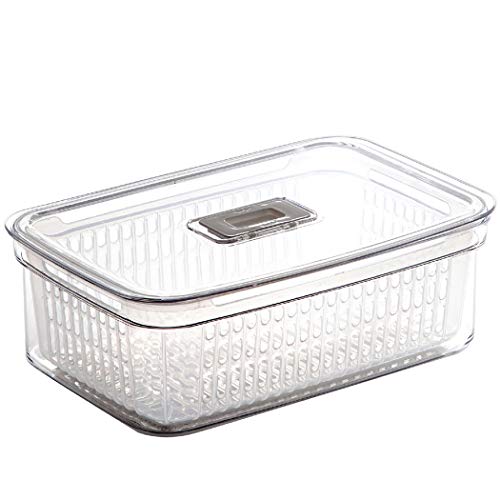
Clever Design: The BINO produce saver is made of a durable material that is easy to clean and has a tight-fitting lid to keep out moisture and air. It has a removable colander-style basket that helps drain any excess water.

Contains (1) ProKeeper Deli Food Storage Container with Air-Tight Silicone Seal and Dry Erase Compatible Lid.
How can I prevent cut lettuce from wilting in the fridge?
To prevent wilting, use the Water Soaking Technique by submerging cut lettuce in cold water for 10 minutes, then dry and store it in an airtight container with a paper towel. Alternatively, try the Paper Towel Method, where you layer lettuce between dry paper towels and seal it in a container.
What is the ideal temperature for storing cut lettuce?
The ideal refrigerator temperature for storing cut lettuce is between 32°F and 36°F (0°C and 2°C). Avoid placing it near the fridge door to prevent temperature fluctuations that can cause the lettuce to wilt more quickly.
What are the common mistakes to avoid when storing cut lettuce?
Common mistakes include skipping the drying step after rinsing, sealing in air within containers, not using paper towels to absorb moisture, and storing near ethylene-producing fruits. By avoiding these errors, you can maintain the quality of your cut lettuce for longer.
Why is fresh lettuce safer to eat?
Fresh lettuce is safer to eat because wilting can lead to bacterial growth, increasing the risk of foodborne illness. Keeping lettuce crisp not only enhances its flavor but also provides a safer and healthier option for your meals.
How can I tell if my cut lettuce has spoiled?
Check for signs of spoilage like a slimy texture, an off smell, or discoloration. If the lettuce appears wilted or has brown edges, it’s best to discard it to avoid health risks associated with spoiled food. Regularly inspect your lettuce to maintain freshness.
