

Have you ever wondered if that crisp Dole romaine lettuce in your fridge is safe to eat? You’re not alone. Many people have concerns about food safety, especially when it comes to fresh produce. With headlines about recalls and contamination, it’s easy to feel uncertain.
This article will help you navigate the often confusing world of lettuce safety. You’ll learn about the measures Dole takes to ensure quality and what you can do to keep your meals healthy. By the end, you’ll feel more confident in your choices and ready to enjoy that salad without worry.
Key Takeaways
- Safety Measures: Dole romaine lettuce undergoes strict safety protocols, including regular inspections and testing for contaminants to ensure quality and freshness.
- Handling & Storage: Proper handling and storage practices, such as washing thoroughly, drying properly, and refrigerating, significantly enhance food safety.
- Nutritional Benefits: Dole romaine is low in calories yet rich in essential vitamins (A, K, C) and minerals (calcium, potassium, magnesium), making it a nutritious choice for a balanced diet.
- Consumer Awareness: Staying informed about past contamination issues and current health reports is crucial for making safe food choices, particularly by checking for establishment numbers and recall announcements.
- Versatility: Dole romaine lettuce is a versatile ingredient suitable for salads, wraps, and smoothies, providing both hydration and dietary fiber to support digestive health.
- Buying Tips: Purchase Dole romaine from reputable grocery stores, local farmers’ markets, or trusted online retailers to ensure safety and quality.
Overview of Dole Romaine Lettuce
Dole romaine lettuce undergoes rigorous safety measures to ensure quality and freshness. Dole implements a comprehensive food safety program that includes regular inspections, testing for contaminants, and strict adherence to hygiene standards. These practices aim to minimize risks associated with fresh produce.
Dole sources its romaine lettuce from reputable farms that follow safe growing practices. Each batch gets tested for harmful bacteria, including E. coli and Salmonella, before it reaches grocery stores. This commitment to safety supports consumer confidence in the brand.
When purchasing Dole romaine lettuce, look for the appropriate establishment number on the packaging. This number verifies that the product comes from a facility compliant with food safety regulations. Always check the expiration date to ensure freshness.
Handling and storing Dole romaine lettuce correctly also plays a vital role in food safety. Clean your hands before touching produce, and wash the lettuce thoroughly under cold water. Store romaine in the refrigerator and consume it within a week for optimal freshness and safety.
By following these recommendations, you enhance your salad enjoyment while minimizing food safety concerns. Understanding Dole’s safety practices helps you make informed food choices.
Recommended Products

4 Popular Heirloom Lettuce Varieties: Includes Red Romaine, Bibb Butterhead, Black Seeded Simpson, and Green Ice lettuce seeds to grow crisp, tender, and colorful salad greens with balanced flavor, texture, and visual appeal.
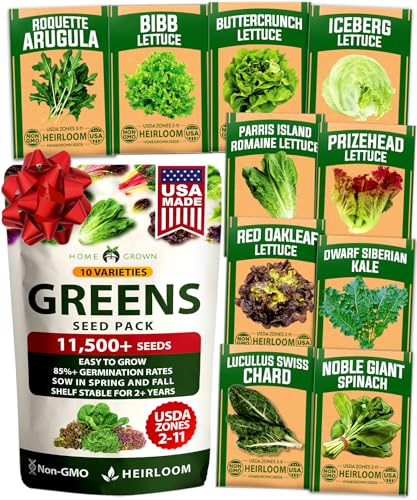
COMPLETE VARIETY PACK: Ten popular lettuce and leafy green varieties; Romaine lettuce seeds, Buttercrunch, Iceberg, Bibb, Red Oakleaf, Prizehead, Kale, Spinach and more; Perfect for organic salad gardens; High 95% germination rate

10 LETTUCE VARIETIES – Lettuce (Lactuca sativa) varieties for your garden, including Buttercrunch, Green Salad Bowl, Iceberg, Lolla Rossa, Oakleaf, Parris Island Romaine, All the Year Round, Black Seeded Simpson, Red Romaine, and Red Salad Bowl
Recent Safety Concerns
Dole romaine lettuce has experienced safety concerns over the years. Staying informed about these issues helps you make safer food choices.
Previous Contamination Issues
Dole faced contamination issues in the past, notably in 2018 when multiple romaine lettuce recalls occurred due to E. coli outbreaks. These incidents involved lettuce sourced from certain regions and led to health warnings. Following the outbreaks, Dole improved its safety protocols. Enhanced traceability measures and stricter inspection processes aim to prevent future issues.
Current Health Reports
Current health reports indicate that Dole romaine lettuce meets safety standards. The FDA monitors outbreaks and routinely checks produce. Recent tests show low levels of contaminants in Dole products. Consumers can stay updated through the Dole website and health department bulletins, ensuring their choices remain safe. Always check for the establishment number and stay aware of any recall announcements to ensure the freshness and safety of your lettuce.
Nutritional Benefits of Dole Romaine Lettuce
Dole romaine lettuce offers numerous health benefits that support a balanced diet. This leafy green is rich in essential nutrients, making it a valuable addition to your meals.
Low in Calories
Dole romaine lettuce contains about 15 calories per 100 grams. This low-calorie content makes it an ideal choice for those trying to manage their weight while enjoying flavorful salads and dishes.
High in Vitamins
Dole romaine lettuce is packed with vitamins, particularly:
- Vitamin A: Supports eye health and immune function.
- Vitamin K: Essential for blood clotting and bone health.
- Vitamin C: Boosts your immune system and aids in the absorption of iron.
Good Source of Minerals
This lettuce also provides essential minerals, including:
- Calcium: Important for strong bones and teeth.
- Potassium: Helps regulate blood pressure and supports heart health.
- Magnesium: Aids in muscle function and energy production.
Rich in Antioxidants
Dole romaine lettuce contains antioxidants, such as beta-carotene and lutein. These compounds help protect your cells from damage and reduce inflammation.
Hydrating and Fiber-Rich
With about 95% water content, romaine lettuce helps keep you hydrated. It also provides dietary fiber, promoting healthy digestion and preventing constipation.
Versatile Ingredient
Dole romaine lettuce can be used in various dishes, including salads, wraps, and smoothies. Its crunchy texture and mild flavor complement many ingredients, enhancing your meals with nutrition.
Incorporating Dole romaine lettuce into your diet supports overall health, providing necessary nutrients with minimal calories. Enjoy this versatile green in many delicious forms to maximize its health benefits.
Consumer Recommendations
To ensure safety when consuming Dole romaine lettuce, follow these practical recommendations.
Washing and Handling Tips
- Wash Thoroughly: Always rinse Dole romaine lettuce under cool, running water. This step removes dirt and potential contaminants. Avoid using soap or bleach.
- Dry Properly: Use a clean paper towel or salad spinner to dry the lettuce. Moisture can promote bacterial growth.
- Use Clean Utensils: Always use clean knives and cutting boards. Cross-contamination can occur if you use utensils that have touched raw meat or other contaminated foods.
- Store Safely: Refrigerate the lettuce immediately after purchase. Keep it in a sealed bag or container to minimize exposure to air and bacteria.
- Check for Freshness: Before using, inspect the lettuce for any signs of spoilage, such as discoloration or sliminess. Dispose of any damaged portions.
- Reputable Grocery Stores: Purchase Dole romaine lettuce from well-known grocery chains. These stores typically follow strict food safety measures.
- Local Farmers’ Markets: Some markets sell Dole products. Look for vendors who maintain high hygiene standards and can confirm their sourcing practices.
- Online Retailers: Dole products are available through various online grocery delivery services. Ensure you buy from reputable platforms with good ratings.
- Check Labels: Inspect packaging for the establishment number and expiration date. This information indicates compliance with safety regulations.
- Seasonal Purchases: Buying during peak seasons can often provide fresher options. Dole products usually have a longer shelf life if stored correctly.
Conclusion
You can feel good about including Dole romaine lettuce in your meals. With their commitment to safety and rigorous testing protocols you’re getting a product that’s been carefully monitored. By following simple handling and storage tips you can further enhance your peace of mind.
Remember to wash your lettuce and check for freshness before enjoying its delicious crunch in salads or wraps. Staying informed about food safety will help you make the best choices for you and your family. Enjoy your healthy meals knowing that Dole is dedicated to providing safe and nutritious options.
Frequently Asked Questions
What safety measures does Dole implement for romaine lettuce?
Dole implements rigorous safety measures including regular inspections, testing for contaminants, and strict hygiene standards. Each batch of romaine lettuce is sourced from reputable farms and is tested for harmful bacteria like E. coli and Salmonella to ensure safety.
How can consumers ensure the freshness of Dole romaine lettuce?
Consumers should always check for the establishment number on the packaging and verify the expiration dates. Additionally, properly handling and refrigerating the lettuce right after purchase enhances its freshness and safety.
What past safety concerns have been associated with Dole romaine lettuce?
Dole has faced past contamination issues, notably in 2018, when multiple recalls occurred due to E. coli outbreaks. Since then, Dole has improved its safety protocols to prevent future issues through enhanced traceability and stricter inspection measures.
How does Dole ensure the quality of its romaine lettuce?
Dole ensures quality through enhanced traceability measures, routine checks by the FDA, and continuous testing, which currently shows low levels of contaminants in their products. This is part of their commitment to food safety.
What nutritional benefits does Dole romaine lettuce provide?
Dole romaine lettuce is low in calories and rich in essential vitamins A, K, and C, as well as important minerals like calcium and potassium. It also offers dietary fiber, antioxidants, and hydration, contributing to a balanced diet.
How should consumers handle Dole romaine lettuce to enhance safety?
Consumers should wash lettuce thoroughly under cool running water, dry it properly, and use clean utensils to prevent cross-contamination. It’s also important to refrigerate the lettuce immediately after purchase and store it properly.
Where can I buy Dole romaine lettuce safely?
Dole romaine lettuce can be purchased from reputable grocery stores, local farmers’ markets, or trusted online retailers. Always check for freshness and proper packaging when making a purchase.
