

Ever found yourself staring at a whole head of lettuce, unsure of how to cut it properly? You’re not alone! Many people struggle with this simple task, often ending up with uneven pieces or a mess on their cutting board.
Key Takeaways
- Choose the Right Tools: A sharp chef’s knife and a sturdy cutting board are essential for cutting lettuce efficiently and avoiding bruising.
- Prepare the Lettuce: Clean the lettuce thoroughly under cold water, remove any damaged outer leaves, and pull out the core for easier cutting.
- Cutting Techniques: Use chopping for larger, hearty pieces and shredding for smaller, manageable strips that are perfect for tacos, wraps, or toppings.
- Proper Storage: Rinse and dry cut lettuce, store it in the refrigerator in a single layer, and use airtight containers to maintain freshness.
- Maintain Freshness: Keep a clean, dry cloth or paper towel in storage to absorb excess moisture and label containers with dates to track freshness.
Tools You Need for Cutting Lettuce
Cutting lettuce efficiently requires the right tools. Having the appropriate knife and cutting board can simplify the process, ensuring you achieve clean, even pieces with minimal mess.
Recommended Products

Real Cooking Tools for Kids – Safe & Effective: Our kids knife set actually cuts fruits, veggies, cheese, and more—helping picky eaters get excited about food. Unlike plastic toy sets, these Montessori-inspired knives keep safety first while teaching real kitchen skills.
Non-slip, soft grip handle

Contains a 10 inch x 7.5" cutting board and a paring knife with sheath
Knife Selection
Choose a sharp chef’s knife for cutting lettuce. A sharp blade reduces bruising and tearing, keeping the lettuce fresh. A serrated knife also works well if you prefer a gentle sawing motion. Make sure the knife is comfortable and easy to handle. If needed, sharpen your knife regularly to maintain its effectiveness.
Cutting Board Options
Select a sturdy cutting board that remains stable during use. A wooden or plastic board is ideal, as they protect your knife’s edge. Avoid glass or ceramic boards; they can dull your knife quickly. Ensure the board is large enough to accommodate the lettuce head, allowing for easy maneuverability while cutting.
Preparing the Lettuce Head
Before cutting, prepare the lettuce head properly to ensure clean, even pieces. Follow these steps to get started.
Cleaning the Lettuce
Cleaning the lettuce is essential. Rinse the head under cold water to remove dirt and debris. Gently separate the outer leaves, as they may be damaged or wilted. After rinsing, shake off excess water or use a salad spinner for drying. A dry head prevents sogginess when cutting.
Removing the Core
Removing the core makes cutting easier. Position the lettuce head on your cutting board, stem side up. Firmly grasp the head and apply slight pressure while twisting it to loosen the core. Pull the core out with your hands or use a chef’s knife to cut around it. Discard the core, and you’re ready to slice the lettuce.
Techniques for Cutting Lettuce
Cutting lettuce properly ensures fresh, crisp pieces for your salads and sandwiches. Here are two effective techniques for cutting lettuce: chopping and shredding.
Recommended Products

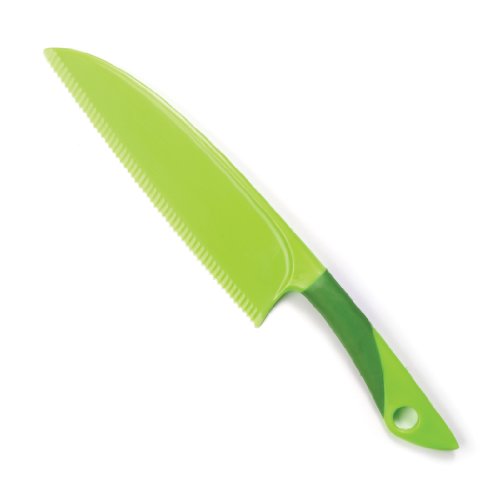
Widely used knives: Plastic lettuce knife prevents lettuce from browning, serrated blade cuts through cakes, salads, fruits, vegetables, baked goods with ease

Simple Slicing - Chopping up veggies has never been easier with our vegetable and lettuce chopper! Just place them into the bowl and start rocking for chopped salad in seconds.

Widely used knives: Plastic lettuce knife prevents lettuce from browning, serrated blade cuts through cakes, salads, fruits, vegetables, baked goods with ease
Chopping the Lettuce
- Place the washed and dried lettuce on the cutting board.
- Grab your sharp chef’s knife. Hold the knife with your dominant hand, using the other hand to steady the lettuce.
- Start at the top of the head and slice downward into thick pieces, about 1 to 2 inches wide.
- Adjust your grip as needed, keeping fingers curled under to avoid any accidents.
- Continue cutting until you reach the bottom of the lettuce.
Chopping produces larger, hearty pieces perfect for salads or serving as a side dish.
- Begin with the same washed and dried lettuce head.
- Cut the head in half lengthwise, exposing the leaves inside.
- With the cut side facing down, use your knife to slice across the leaves into thin strips. Aim for strips around 1/4 inch wide for ideal texture.
- If you want smaller shreds, stack the strips and slice them crosswise again.
Shredding results in petite, manageable pieces that fit perfectly in tacos, wraps, or as toppings for various dishes.
Storing Cut Lettuce
Storing cut lettuce correctly ensures freshness and crispness. Follow these guidelines for optimal storage.
Best Practices for Freshness
- Rinse lettuce before cutting. Washing removes contaminants and keeps it fresher.
- Pat the cut pieces dry using a paper towel. Excess moisture leads to wilted leaves.
- Store lettuce in the refrigerator immediately after cutting. Cooler temperatures help maintain crispness.
- Keep the cut lettuce in a single layer. Overcrowding causes bruising and promotes faster spoilage.
- Use a clean, dry cloth to wrap the lettuce, which absorbs moisture without damaging leaves.
- Use airtight containers to minimize air exposure. Glass or BPA-free plastic options work well.
- Select containers with ventilation holes. These allow airflow while retaining moisture, reducing sogginess.
- Consider using produce bags with drawstrings. These bags hold cut lettuce securely while keeping it breathable.
- Label dates on storage containers. This practice helps track freshness, ensuring you use the lettuce within 3 to 7 days.
By following these storage methods, you keep your cut lettuce fresh and ready for your next meal.
Conclusion
Cutting a head of lettuce doesn’t have to be a daunting task. With the right tools and techniques, you can easily achieve clean and even pieces every time. Remember to prep your lettuce properly and choose a cutting method that suits your needs.
Storing your cut lettuce correctly will keep it fresh and crisp for your salads and dishes. By following these simple steps, you’ll not only save time in the kitchen but also enhance your meals with perfectly cut lettuce. Enjoy your cooking and the deliciousness that comes with fresh ingredients!
Frequently Asked Questions
How do I properly cut a head of lettuce?
To cut a head of lettuce, first rinse it under cold water to remove dirt and debris. Dry it thoroughly to avoid sogginess. Remove the core by cutting it out. Use a sharp chef’s knife or serrated knife on a sturdy cutting board, then choose between chopping or shredding based on your preference.
What tools are best for cutting lettuce?
The best tools for cutting lettuce include a sharp chef’s knife or a serrated knife, as they help reduce bruising and tearing. A sturdy wooden or plastic cutting board is recommended to protect the knife’s edge and maintain stability.
How should I store cut lettuce?
Store cut lettuce by rinsing it first to remove contaminants, then patting it dry to prevent wilting. Keep it in the refrigerator in a single layer using clean, dry cloths or airtight containers. Consider using ventilated containers and label them to track freshness.
How long can I keep cut lettuce in the fridge?
Cut lettuce can be kept in the fridge for about 3 to 7 days. Ensure it is stored properly to maintain its freshness and crispness, and check for signs of spoilage before use.
What is the difference between chopping and shredding lettuce?
Chopping produces larger, hearty pieces ideal for salads, achieved by cutting thick slices (1 to 2 inches wide). Shredding creates thin strips (about 1/4 inch wide) by cutting the head in half lengthwise, perfect for tacos, wraps, or toppings.
