

Have you ever picked a fresh head of leaf lettuce from your garden only to watch it wilt away in the fridge? It’s frustrating to see your hard work go to waste. You want to enjoy that crisp, vibrant lettuce in your salads, but proper storage is key to keeping it fresh and delicious.
Key Takeaways
- Properly storing leaf lettuce enhances freshness and extends shelf life, preventing wilting and nutrient loss.
- Correct storage methods minimize food waste, allowing you to enjoy more of your garden’s harvest.
- Nutritional value and flavor are better retained when lettuce is stored properly, ensuring a delicious salad experience.
- Refrigeration techniques, including the right temperature and container choice, are essential for maintaining lettuce quality.
- Long-term storage options such as freezing and dehydrating can help preserve your lettuce well beyond the initial harvest.
- Avoid common mistakes like improper temperature and excess moisture to ensure your lettuce stays crisp and flavorful.
Importance Of Properly Storing Leaf Lettuce
Properly storing leaf lettuce enhances its freshness and prolongs its shelf life. It prevents wilting, browning, and loss of nutrients. Well-stored lettuce maintains its crisp texture, making it a delightful addition to your salads.
Reduce Food Waste
When you store lettuce correctly, you minimize food waste. Keeping it fresh for longer means fewer trips to the grocery store and less lettuce ending up in the compost. Aim for maximum freshness to enjoy every leaf you harvest.
Retain Nutritional Value
Storing lettuce properly helps retain its nutrients. Lettuce contains valuable vitamins like A and K. When you keep it crisp and fresh, you ensure you’re getting the best quality nutrients in your diet.
Enhance Flavor and Texture
Freshly stored lettuce boasts a more vibrant flavor and crunchy texture. Proper storage methods help preserve its taste, making salads not just healthy but also enjoyable. Crisp lettuce adds a refreshing crunch that enhances any dish.
Save Money
Investing time in proper storage saves you money. Fresh lettuce lasts longer, reducing your need to buy replacements. You benefit from your garden’s bounty and reduce the costs associated with spoiled produce.
Using these methods ensures that each harvest provides its full flavor and nutrition while supporting a more sustainable lifestyle. Adopting proper storage techniques ultimately leads to a tastier and healthier eating experience.
Best Practices For Harvesting Lettuce
Harvesting lettuce at the right time and using the proper tools ensures you preserve its freshness. Follow these tips to maximize the quality of your leaf lettuce.
Recommended Products
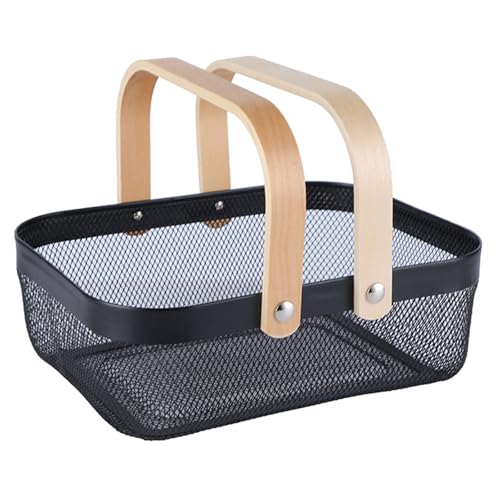
Basket Dimensions: 12.6 x 9.65 x 4.33 inch / 32 x 24.5 x 11 cm (L x W x H). Handle Height: 4.72 inch / 12 cm. Material: Metal + 2 Pcs Wooden Handle.

Versatile and Practical Design: this Garden Harvest Basket is made of durable plastic and features removable dividers for customizable storage; It's suitable for harvesting, soaking, straining, or carrying tools, keeping your gardening tidy and efficient

You Will Receive: 1 harvest basket, ideal for carrying your harvest from the garden to the kitchen, ideal for gathering vegetables, fruit and flowers, carrying picnic lunches, storing kitchen or household items and more
Time Of Day To Harvest
Harvest lettuce in the early morning or late afternoon. During these times, temperature and humidity levels are ideal. Morning harvesting captures the natural moisture in the leaves, keeping them crisp. Late afternoon harvests also work, as temperatures start cooling down. Avoid midday harvesting, as the sun can cause wilting and dehydration.
Tools You’ll Need
Gather these essential tools for an efficient lettuce harvest:
- Garden Shears: Use sharp, clean shears to cut the lettuce at the base. This minimizes bruising.
- Harvest Basket: Choose a basket to transport your lettuce gently. This prevents damage from excessive handling.
- Water Spray Bottle: Lightly mist the harvested lettuce to maintain moisture until you store it.
- Gloves: Protect your hands from dirt and ensure a clean harvest.
These tools ensure a smooth process and help you maintain the vibrant, crisp quality of your leaf lettuce for storage.
Methods For Storing Fresh Leaf Lettuce
Maintaining the freshness of your freshly harvested leaf lettuce is essential. Here are effective methods to store them properly.
Recommended Products

![[2 Pack] Upgraded 2188656 Fridge Crisper Drawer Humidity Control Drawer UPPER & 2188664 Crisper Bin LOWER for Whirlpool Fridge Crisper Drawer,Kenmore Whirlpool Refrigerator Drawer Replacement Parts](https://m.media-amazon.com/images/I/41zcz8RDQZL._SL500_.jpg)
【2026 New Upgraded Refrigerator Drawer for Whirlpool Kenmore】The Upgraded 2188656 & 2188664 Whirlpool fridge drawer are made with upgraded food-grade eco-friendly durable materials with sturdy, good toughness, high-density and unbreakable to last longer. The whirlpool drawer replacement are strictly tested by manufacturer and meet OEM standard.
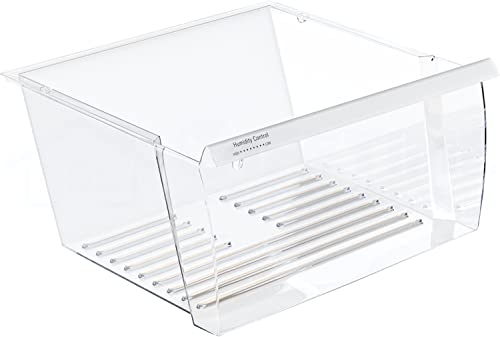
✅【 WARNING 】 This item is not universal and will not fit all Whirlpool or Kenmore fridges. To confirm if this item fits your fridge, please find your model number on a plaque inside the fridge with the words "MOD" or "Model" next to it. If you google search your model + "parts" you will find a parts breakdown list to confirm if this item will fit. If this item is not shown, it will 100% not fit your model even if the measurements are close.
Refrigeration Techniques
Refrigeration keeps lettuce crisp and fresh. Store your harvested lettuce in the refrigerator immediately after harvesting.
- Temperature: Adjust your fridge temperature to around 34°F to 36°F (1°C to 2°C).
- Placement: Place lettuce in the crisper drawer, which maintains optimal humidity.
- Containers: Use perforated plastic bags or containers that allow airflow while retaining moisture, preventing wilting.
Wrapping and Moisture Control
Proper wrapping enhances moisture control and prolongs freshness.
- Dampness: Lightly dampen paper towels, then wrap the lettuce. This helps maintain humidity.
- Sealing: Place the wrapped lettuce in a plastic bag but avoid tightly sealing it to allow air circulation.
- Avoid Excess Water: Don’t soak the lettuce; excess water promotes spoilage.
Following these methods keeps your lettuce fresh longer, supporting a sustainable lifestyle and reducing waste.
Long-Term Storage Options
Maintaining the freshness of leaf lettuce from your garden can go beyond refrigeration. Here are two effective long-term methods to consider.
Recommended Products

Raised Lip Edge Design: The silicone dehydrator mats is designed with a raised Lip around the edge to keep ingredients in, which can effectively prevent the outflow of liquid moisture, and keep the kitchen and machine neat and tidy. Bring ease and joy to your productions
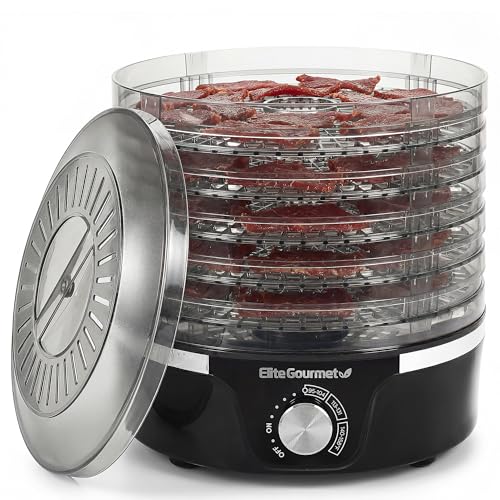
CUSTOM TEMPERATURE CONTROL FOR PERFECT RESULTS: Adjustable temperature range from 95°F–158°F lets you dry fruits, vegetables, herbs, mushrooms and jerky at their ideal setting. The 350W heating system with horizontal airflow ensures consistent, even dehydration — no tray rotation required.

【6 Pack 11in Silicone Dehydrator Trays 】You will receive 6 silicone dehydrator sheets with edge for liquid food.Not suitable for appliances exceeding 245 ℉, such as ovens and other
Freezing Leaf Lettuce
Freezing lettuce isn’t common, but it’s a viable option if you plan to use it in cooked dishes. Follow these steps for optimal results:
- Wash and Dry: Rinse the lettuce thoroughly to remove dirt and insects. Spin it in a salad spinner or pat dry with a clean towel.
- Chop and Blanch: Chop the lettuce into smaller pieces if desired. Blanch in boiling water for 1-2 minutes to preserve color and texture.
- Cool and Drain: Immediately transfer blanched lettuce to ice water for cooling. Drain thoroughly to remove excess moisture.
- Freeze: Place the cooled lettuce in airtight freezer bags, removing as much air as possible. Label with the date before placing it in the freezer.
Dehydrating Techniques
Dehydrating lettuce can extend its shelf life significantly. This method is ideal for incorporating into soups, stews, or salads later on. Here’s how to do it:
- Prepare the Lettuce: Clean and dry your lettuce as previously described.
- Cut into Pieces: Tear or cut the lettuce into small, uniform pieces to ensure even drying.
- Use a Dehydrator or Oven: Spread the pieces in a single layer on dehydrator trays or a baking sheet. If using the oven, set it to the lowest temperature, around 140°F (60°C).
- Drying Time: Dehydrate for 4-8 hours, checking periodically. The lettuce should be crisp and brittle once done.
- Store in Airtight Containers: Let the dried lettuce cool before transferring it to airtight containers or vacuum-sealed bags. Label and store in a cool, dark place.
By utilizing these long-term storage methods, you can enjoy the taste of fresh leaf lettuce well beyond your harvest.
Common Mistakes To Avoid
Improper storage can lead to quick spoilage of your fresh leaf lettuce. Recognizing these common mistakes helps maintain its crispness and flavor.
Storage Temperature Issues
Storing lettuce at the wrong temperature leads to premature wilting. Aim for storage at temperatures between 32°F and 36°F (0°C to 2°C). Keep lettuce away from the warmer sections of the fridge, such as the door. Frequent temperature changes can also affect freshness, so avoid placing it in areas that open often. Instead, store it in the vegetable crisper drawer where the temperature remains stable.
Excess Moisture Problems
Excess moisture creates a prime environment for spoilage. Before storage, ensure the lettuce is completely dry. Use a salad spinner or pat it dry with a clean cloth. Avoid washing it until just before use, as the moisture can promote decay. If you notice moisture inside your storage bag or container, add a paper towel to absorb it. This small step helps keep your lettuce crisp and fresh longer.
Conclusion
Storing fresh leaf lettuce doesn’t have to be a hassle. With the right techniques you can keep your harvest crisp and delicious for longer. Whether you choose to refrigerate freeze or dehydrate your lettuce each method offers unique benefits that fit your lifestyle.
Avoiding common pitfalls like excess moisture and improper temperatures will help you enjoy your greens without waste. By following these simple storage tips you’ll not only savor your homegrown lettuce but also contribute to a more sustainable kitchen. Happy storing and enjoy your fresh salads and dishes!
Frequently Asked Questions
How can I keep leaf lettuce fresh in the fridge?
To keep leaf lettuce fresh in the fridge, store it at temperatures between 32°F and 36°F (0°C to 2°C). Ensure the lettuce is completely dry before packaging it in a perforated or breathable bag to avoid excess moisture, which can lead to spoilage.
Can I freeze leaf lettuce?
Yes, you can freeze leaf lettuce. Start by washing and blanching the leaves, then cool them in ice water. Drain and pack the lettuce into airtight bags before placing them in the freezer. This method helps maintain its quality for use in cooked dishes.
What is the process for dehydrating leaf lettuce?
To dehydrate leaf lettuce, clean the leaves thoroughly, trim, and slice them into smaller pieces. Use a dehydrator or an oven set on low to dry the leaves completely. Once dried, store them in airtight containers for long-lasting preservation.
What common mistakes should I avoid when storing leaf lettuce?
Avoid common mistakes such as storing lettuce in high-moisture environments and at improper temperatures. Ensure lettuce is completely dry before storage and keep it at optimal temperatures (32°F to 36°F) to prevent premature spoilage.
How does proper storage benefit sustainability?
Proper storage of leaf lettuce helps reduce food waste and enhances its shelf life, allowing you to enjoy fresh produce longer. By utilizing methods like freezing or dehydrating, you also minimize your environmental impact, supporting a sustainable lifestyle.
