

Ever wondered how to make sure your lettuce is safe to eat? You’re not alone. Many people bring home fresh greens only to worry about the pesticides that might linger on the surface. It’s a common concern, especially when you want to enjoy a crisp salad without the worry of harmful chemicals.
Key Takeaways
- Understand Pesticide Residues: Recognize that pesticides like chlorpyrifos, imidacloprid, and glyphosate may remain on lettuce, making proper washing essential for safety.
- Health Risks: Aware of potential health risks associated with pesticide consumption, including hormonal disruptions, neurological effects, and allergic reactions.
- Effective Washing Techniques: Utilize various methods such as rinsing under cold water, soaking in saltwater, or using vinegar/baking soda solutions to effectively remove pesticide residues.
- Essential Tools: Use recommended tools like a colander, large bowl, soft brush, and kitchen towel to enhance the effectiveness of your washing process.
- Select Fresh Lettuce: Choose vibrant, crisp lettuce and consider organic options that typically have lower pesticide exposure.
- Proper Storage: Store lettuce in the refrigerator to maintain freshness, avoiding pre-washing and excess moisture to prevent spoilage.
Understanding Pesticide Residues
Pesticide residues on lettuce can pose concerns for health-conscious consumers. Understanding these residues helps you make informed choices about cleaning your produce.
Common Pesticides Found on Lettuce
Lettuce often contains pesticide residues from several common chemicals. Typical pesticides include:
- Chlorpyrifos: Used to control pests, found on various leafy greens.
- Imidacloprid: A systemic insecticide, commonly used on lettuce.
- Glyphosate: A broad-spectrum herbicide that may appear on pre-harvest crops.
These chemicals apply during the growing process. As a result, washing lettuce might not remove all traces of these substances.
Health Risks of Pesticide Consumption
Consuming pesticide residues can cause various health issues. Studies indicate potential risks include:
- Hormonal Disruptions: Some pesticides interfere with endocrine functions, leading to imbalances.
- Neurological Effects: Long-term exposure may affect cognitive functions and behavior, especially in children.
- Allergic Reactions: Certain individuals may experience allergic responses to specific chemicals.
Maintaining awareness of these risks encourages you to wash lettuce thoroughly before consumption.
Effective Washing Techniques
Washing lettuce effectively removes pesticide residues and helps ensure safe consumption. Here are some practical methods to keep your leafy greens clean.
Recommended Products

Organ veggie wash bottle 32oz
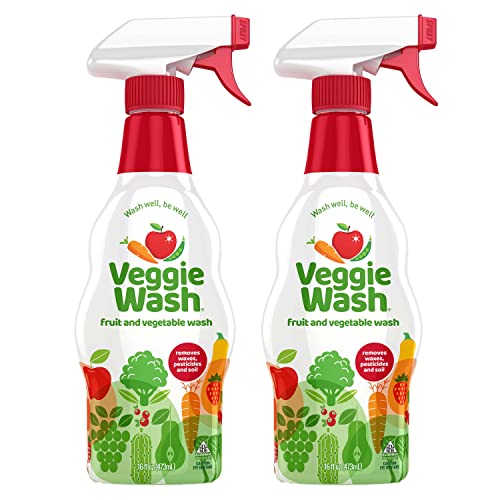
WASH WELL, BE WELL: safely removes wax, soil, agricultural chemicals, and handling residue found on both standard and organic fruits and veggies

CLEAN INGREDIENTS: This fruit and vegetable cleaner is made with clean ingredients and is free from harsh and potentially harmful chemicals. It contains no ammonia, alcohol, SLES, or EDTA.
Rinsing with Water
- Rinse your lettuce under cold running water.
- Gently rub the leaves with your hands to help dislodge dirt and residues.
- Rinse for at least 30 seconds to ensure thorough cleaning.
- Drain the lettuce in a colander or on a clean dish towel.
This simple method effectively removes loose dirt and some pesticide residues.
Soaking in Saltwater Solution
- Prepare a saltwater solution using 1 tablespoon of salt per cup of water.
- Submerge the lettuce in the solution for 5 to 10 minutes.
- Swirl the leaves around gently to allow the saltwater to penetrate.
- Rinse the lettuce under cold running water afterward.
Saltwater helps lift pesticide residues from the leaves, enhancing the cleaning process.
- Mix one part vinegar to three parts water in a bowl or basin.
- Soak the lettuce for 5 to 10 minutes.
- Gently swish the leaves before rinsing under cold water.
Alternatively, mix 1 teaspoon of baking soda in 2 cups of water and soak the lettuce for the same duration.
Both vinegar and baking soda effectively break down pesticide residues, improving cleanliness.
Each of these techniques provides a practical approach to washing your lettuce, reducing the risk of consuming pesticide residues.
Tools and Resources
Having the right tools and resources makes washing pesticides off lettuce easier and more effective.
Recommended Washing Tools
- Colander: Use a colander to rinse and drain lettuce efficiently. It allows water to flow freely, ensuring thorough cleaning.
- Large Bowl: A large bowl helps when soaking lettuce in saltwater or vinegar solutions. It accommodates ample water for full submersion.
- Soft Brush: A soft brush can gently scrub the surface of the lettuce. This helps dislodge dirt and residues without damaging the leaves.
- Kitchen Towel: A kitchen towel absorbs excess moisture after washing, making it easier to store or use the lettuce.
Store-Bought Produce Washes
Store-bought produce washes provide another option for removing pesticide residues. Many have specific formulations designed for fruits and vegetables. Look for the following features:
- Natural Ingredients: Choose washes made from natural, food-safe ingredients. These can clean produce effectively while being safer for consumption.
- Label Instructions: Follow the label instructions for proper use. Effectiveness may vary, so adhering to recommended techniques is essential.
- Certifications: Look for certifications from reliable organizations. This assures the product’s efficacy and safety in removing residues.
Using the right tools and resources ensures you effectively wash pesticides off lettuce, making your meals safer and healthier.
Best Practices for Lettuce Preparation
Preparing lettuce properly helps reduce pesticide residues and ensures you enjoy fresh, safe greens. Follow these best practices for optimal results.
Recommended Products

Safely remove wax, soil, agricultural chemicals, and handling residue found on both standard and organic fruits and vegetables

WASH WELL, BE WELL: safely removes wax, soil, agricultural chemicals, and handling residue found on both standard and organic fruits and veggies
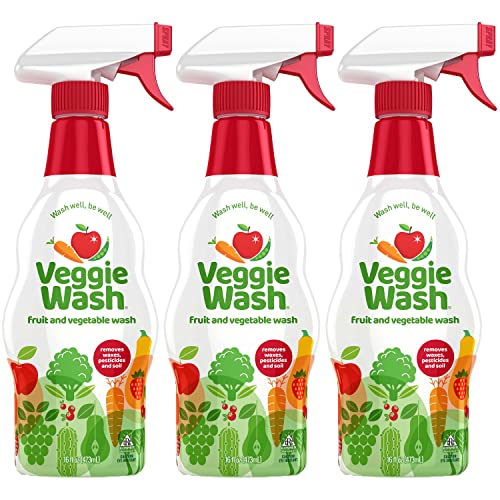
WASH WELL, BE WELL: safely removes wax, soil, agricultural chemicals, and handling residue found on both standard and organic fruits and veggies
Selecting Fresh Lettuce
Choose lettuce with vibrant colors and crisp leaves. Inspect for any signs of browning or wilting, as these indicate aging or poor quality. Look for organic labels when possible, since organic farming typically uses fewer harsh pesticides. Rinse your chosen lettuce as soon as possible after purchase to prevent residues from settling in.
Storing Lettuce Properly
Store lettuce in the refrigerator, ideally in a crisper drawer, to maintain freshness. Keep it in a cloth or paper towel to absorb excess moisture. Avoid washing lettuce before storage, as excess water can cause spoilage. If you buy pre-washed lettuce, ensure the packaging is sealed to prevent contamination.
Conclusion
Taking a few extra steps to wash your lettuce can make a big difference in your health. By using the right techniques and tools you can significantly reduce pesticide residues and enjoy your greens with peace of mind. Remember to choose fresh and organic options whenever possible and store your lettuce properly to maintain its quality.
With these simple practices you can feel confident that you’re serving up safe and delicious salads for you and your loved ones. Happy washing and enjoy your fresh produce!
Frequently Asked Questions
What are common pesticide residues found on lettuce?
Pesticide residues like Chlorpyrifos, Imidacloprid, and Glyphosate are commonly found on lettuce. These chemicals may pose health risks, including hormonal disruptions and allergic reactions.
Does washing lettuce remove all pesticide residues?
Washing lettuce may not entirely eliminate pesticide residues. While rinsing helps reduce some contaminants, it often isn’t enough to remove all traces, particularly from waxy leaves.
What are effective washing techniques for lettuce?
Effective washing techniques include rinsing under running water, soaking in a saltwater solution, or using vinegar or baking soda solutions. Utilizing a soft brush can also help remove residues effectively.
Should I use store-bought produce washes?
Store-bought produce washes can be effective, especially those made with natural ingredients. Look for options with certifications to ensure their safety and efficacy in removing pesticide residues.
How do I select fresh lettuce?
Choose fresh lettuce by checking for vibrant color and crispness. Avoid wilted or discolored leaves, and opt for organic labels when possible for lower pesticide exposure.
How should I store lettuce after purchase?
After purchasing lettuce, rinse it immediately and store it in the refrigerator. Use absorbent material to keep it fresh, and avoid washing before storage to prevent spoilage.
How can I check pre-washed lettuce packaging?
Inspect the seal on pre-washed lettuce packaging before purchase. Ensure it’s intact to minimize the risk of contamination, protecting you from potential pesticide exposure.
