

Have you ever wondered how deep your pot should be for growing lettuce? It might seem like a small detail, but the right depth can make all the difference in your garden’s success. If you’re planting lettuce in containers, you want to ensure your greens have enough room to thrive.
Key Takeaways
- Pot Depth Matters: For healthy lettuce growth, pots should be 6 to 12 inches deep for most varieties and 12 to 18 inches deep for larger types like romaine.
- Root Development: Adequate depth allows roots to spread and absorb nutrients effectively, preventing stunted growth and maximizing yields.
- Material Choices: Plastic pots retain moisture well, while clay pots provide better drainage and airflow; choose based on your specific growing conditions.
- Consistent Moisture: Regularly check soil moisture and water when the top inch feels dry to maintain optimal conditions for lettuce.
- Sunlight Requirements: Ensure pots receive 6 to 8 hours of sunlight daily to support healthy growth; consider supplemental grow lights if necessary.
- Maintenance Tips: Fertilize every 4 to 6 weeks, monitor for pests, and harvest strategically by trimming outer leaves to encourage further growth.
Importance Of Pot Depth For Lettuce
Pot depth plays a vital role in the successful growth of lettuce. The roots of lettuce plants need sufficient space to develop properly. Shallow pots restrict root expansion, leading to stunted growth and poor yields.
Using pots that are at least 6 to 12 inches deep allows roots to spread, absorb water, and access nutrients effectively. When roots lack room, they can become tangled or compacted, which affects the overall health of the plant.
For particularly large lettuce varieties, such as romaine, go for deeper pots, ideally 12 to 18 inches. These deeper containers accommodate larger root systems, promoting robust growth and increasing harvest potential.
When selecting pots, consider the type of lettuce you’re growing. Leafy varieties thrive in shallower pots but still benefit from at least 6 inches of depth. Deep pots also help maintain consistent soil moisture, reducing the need for frequent watering.
To summarize, choosing the right pot depth is essential for encouraging healthy root development, maximizing nutrient absorption, and ultimately producing lush, flavorful lettuce.
Recommended Products

【Package and Size】:You will receive 50pcs black deep seeding pots and 3 pcs garden tools,the quantity can meet most of your planting needs and garden tools are ideal for potted plants.The Nursery containers height is 12 inches,opening diameter 4 inch ,bottom diameter 2.3 inches,perfect size for indoor outdoor plants,vegetables and fruits etc.

Height Design: Featuring a unique 12-inch height, these tall plant nursery pots offer generous space for strong taproot development. Perfect for deep-rooted vegetables, trees, and plants, ensuring healthier and more stable growth in plastic tall tree pots designed for long-term use

Material:Made from quality plastic material,which is lightweight and reusable. The wall of the nursery pot is thin but durable to use repeatedly.
Recommended Pot Depths
Choosing the right pot depth is essential for healthy lettuce growth. Here are some recommendations to guide your decision.
Recommended Products

Deep planting space promotes root growth to keep plants healthy

Deep planting space promotes root growth to keep plants healthy
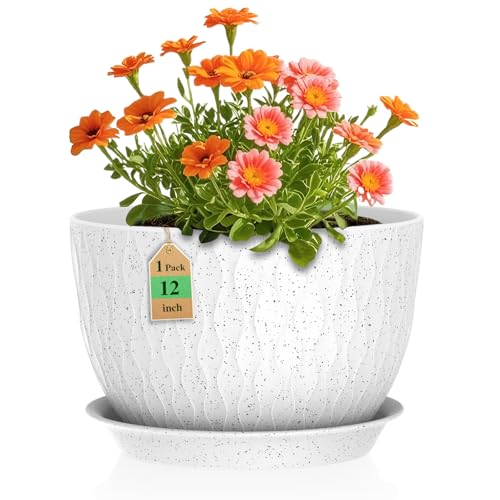
【Amazing Design】 The plastic planter pots design with water ripple appearance, complemented by a variety of vibrant color options, it is both artistic and perfectly matches any living room, bedroom, or outdoor decor, making plants appear closer to nature (Note: Plants Not Included)
Standard Depth Guidelines
For most lettuce varieties, a pot depth of 6 to 12 inches works well. This depth allows roots to expand properly and access necessary nutrients. For larger varieties, like romaine, pots should range from 12 to 18 inches deep. These deeper pots support the bigger root systems and promote healthy growth. Leafy varieties often thrive in shallower pots but still require at least 6 inches to ensure adequate root development.
Factors Influencing Pot Depth
Consider the type of lettuce you plan to grow. Leafy lettuce benefits from shallower pots, while head varieties need more depth. The growth conditions also play a role. If your growing environment has limited nutrients, deeper pots can hold more soil, which supports better growth. Additionally, pot material influences depth choices; porous materials allow better drainage but may need careful monitoring of moisture levels.
Types Of Pots For Growing Lettuce
Choosing the right pot type enhances your lettuce-growing success. Different materials and styles offer various benefits.
Recommended Products

Super Value Set: This clear nursery pot set includes 5 pcs of 12 inch pots, which are suitable for seeding most plants and large-sized garden plants, catering to diverse gardening needs

Large Size Set: This large clear plant pots set includes a 5 pack of 12 inch clear nursery pots with saucers, specially designed for medium to large plants and deep-rooted plants. The generous size provides ample space for healthy root development, making these clear plastic plant pots ideal for repotting mature plants and reducing the need for frequent upgrades to larger pots

TRADITIONAL DESIGN: Blending classic looks with trendy colors, our pot planter with rolled rims complements a variety of plant arrangements. The gardening pots seamlessly blend into both indoor and outdoor settings.
Plastic Pots
Plastic pots are lightweight and affordable. They retain moisture well, making them ideal for keeping lettuce hydrated. Opt for pots with drainage holes to prevent waterlogging. Size matters; choose pots that are at least 6 inches deep for standard varieties and 12 to 18 inches for deeper-rooted types like romaine. For example, a 12-inch plastic pot provides ample space for root development, ensuring healthy growth.
Clay Pots
Clay pots are a popular choice due to their natural aesthetic. They allow for airflow, which helps prevent root rot by providing good drainage. Clay tends to dry out faster than plastic, so you’ll need to monitor moisture levels closely. A depth of 8 to 12 inches suits most lettuce types. For an effective setup, consider using a saucer underneath to catch excess water. The combination of depth and material makes clay pots a solid option for cultivating vibrant lettuce.
Tips For Optimal Lettuce Growth
- Choose the Right Pot Depth: Select pots with depths of 6 to 12 inches for most lettuce varieties. Use deeper pots of 12 to 18 inches for larger lettuce types like romaine.
- Consider Pot Material: Use plastic pots for affordability and excellent moisture retention. For better drainage and airflow, opt for clay pots.
- Water Regularly: Maintain consistent moisture levels. Lettuce prefers evenly moist soil, so check pots daily. Water when the top inch feels dry.
- Use Quality Soil: Choose a high-quality potting mix with adequate nutrients. Look for soil that is light and well-draining to support root expansion.
- Provide Adequate Sunlight: Position pots where they receive 6 to 8 hours of sunlight daily. If growing indoors, consider supplementing with grow lights.
- Monitor Nutrient Levels: Fertilize every 4 to 6 weeks with a balanced liquid fertilizer. Follow the manufacturer’s instructions for application rates.
- Prune Wisely: Trim excess leaves to encourage growth if lettuce becomes crowded. This helps improve airflow around plants.
- Pest Management: Check regularly for pests like aphids or snails. Use organic pesticides or natural deterrents to keep plants healthy.
- Harvest Strategically: Harvest outer leaves as needed to allow inner leaves to continue growing. This practice promotes longevity and freshness.
Conclusion
Choosing the right pot depth is key to growing healthy lettuce. By selecting a pot that meets the needs of your chosen variety you’re setting yourself up for success.
Remember to consider the pot material and how it affects moisture and drainage. With the right care and attention your lettuce can thrive and provide you with fresh greens right from your own garden.
So grab your pots and get started on your lettuce-growing journey. Happy gardening!
Frequently Asked Questions
What is the recommended pot depth for growing lettuce?
For most lettuce varieties, a pot depth of 6 to 12 inches is ideal. Larger types, such as romaine, should be planted in pots that are 12 to 18 inches deep to ensure sufficient root space.
What type of pot is best for lettuce cultivation?
Plastic pots are recommended for moisture retention, while clay pots offer better drainage. Choose the type based on your watering routine and local climate conditions.
How do I maintain moisture levels in lettuce pots?
Consistent moisture is vital for lettuce. Water regularly, ensuring the soil is evenly moist but not soggy. Mulching can also help retain moisture and prevent weeds.
What soil is best for growing lettuce?
Using high-quality, well-draining soil is essential for lettuce growth. A mix of potting soil with organic matter can provide the nutrients and structure your lettuce needs.
How much sunlight do lettuce plants need?
Lettuce thrives with about 6 to 8 hours of sunlight daily. Ensure your plants receive adequate light to promote healthy growth, especially during warmer months.
How can I monitor nutrient levels in lettuce?
Regularly test your soil using a soil test kit to check for nutrient levels. Adjust with fertilizers as needed to ensure your lettuce receives the essential micronutrients.
What are effective pest management strategies for lettuce?
Monitor plants regularly for signs of pests. Use natural methods like introducing beneficial insects or applying insecticidal soap to control infestations without harming your plants.
When is the best time to harvest lettuce?
Lettuce can be harvested when the leaves are young and tender, typically around 30 to 60 days after planting. Cut leaves carefully to promote continued growth.
