

Ever wondered how deep those crunchy lettuce roots really go? If you’ve tried your hand at gardening or even just thought about growing your own salad, knowing the root growth can make a big difference.
Key Takeaways
- Lettuce Root Depth: Lettuce roots typically grow between 12 to 18 inches deep, depending on the variety and growing conditions.
- Soil Requirements: Use well-drained, nutrient-rich, and loamy soil with a neutral pH (6.0 to 7.0) to optimize root growth and prevent compaction.
- Consistent Watering: Maintain consistent soil moisture with 1 to 1.5 inches of water per week, and prefer morning watering to reduce evaporation and disease risk.
- Early Monitoring: Keep an eye out for early signs of stress, such as wilting or yellowing leaves, as these may indicate root issues stemming from water or nutrient deficiencies.
- Growth Timeline: Understand the growth stages: germination (5-10 days), early growth (2-4 weeks), and mature stage (6-8 weeks), to plan your gardening effectively.
- Root Health Importance: Healthy roots improve nutrient absorption and disease resistance, ensuring better yields and flavor in your lettuce.
Overview Of Lettuce Root Growth
Lettuce roots typically grow to a depth of 12 to 18 inches. This depth allows for efficient nutrient absorption and moisture retention. The root system, while not extensive, spreads out horizontally, covering an area of about 1 to 2 square feet for each plant.
Lettuce varieties affect root growth. Leafy types, like Romaine, often develop shallower roots, whereas head varieties, such as Iceberg, grow deeper roots. Factors influencing growth include soil type, temperature, and watering practices.
When planting lettuce, consider the following tips to promote healthy root development:
- Select Fertile Soil: Use well-drained, nutrient-rich soil. Offset compaction by mixing in organic matter.
- Water Consistently: Keep the soil moist but not soggy. Aim for about 1 to 1.5 inches of water per week.
- Provide Adequate Spacing: Allow 10 to 12 inches between plants. This ensures roots have enough space to expand.
Monitoring root growth matters. Check early signs of stress, such as wilting or yellowing leaves. These often indicate a root-related issue, whether from lack of water or nutrient deficiencies. Regularly inspect based on environmental conditions specific to your area.
Factors Influencing Root Growth
Understanding the factors influencing root growth helps you foster strong, healthy lettuce plants. Several elements play a crucial role in how well lettuce roots develop.
Recommended Products
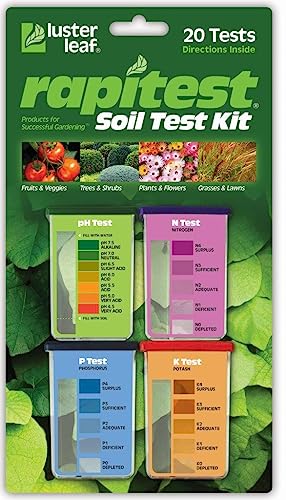
Quick, at home results for Soil pH, Nitrogen, Phosphorous and Potash Innovative and inexpensive soil test kit features an easy-to-use capsule system and patented color comparators

How to Accurately Test Garden's Soil pH? Many growers do not able to use the correct tools and methods to obtain accurate soil ph values; NewTest soil ph test kit includes upgraded soil ph test strips, measuring cylinders, and instructions for professional testing methods; it allows even beginners to easily and accurately obtain soil ph values

Kindly NOTE: This soil tester can not be applied to test pH value of any other liquid. If the soil is too dry the indicator will not move, and water it before testing.
Soil Type
Soil type significantly affects the growth and depth of lettuce roots. You should consider the following aspects when selecting soil:
- Texture: Loamy soil, rich in organic matter, is ideal for lettuce as it offers good drainage and nutrient retention.
- pH Level: A neutral pH of around 6.0 to 7.0 supports optimal growth. You can test your soil using a simple pH test kit.
- Compaction: Loose soil allows roots to spread easily. Compacted soil inhibits root growth. Aerate the soil when needed to maintain a healthy structure.
Watering Practices
Watering directly influences how well lettuce roots develop. Adopting the right watering practices ensures that your plants thrive:
- Consistency: Regular watering helps maintain soil moisture. Aim for approximately 1 to 1.5 inches of water per week, especially in dry periods.
- Timing: Water in the early morning to reduce evaporation. This practice also strengthens the plant’s resilience against diseases.
- Method: Use drip irrigation or soaker hoses to provide moisture directly to the roots while minimizing leaf wetness. This method promotes healthier root systems.
By paying attention to soil type and watering practices, you can encourage optimal root growth in your lettuce plants.
Average Growth Duration
Understanding the average growth duration of lettuce roots helps in planning your garden better. Lettuce roots follow a specific growth timeline, which varies across different stages.
Germination Stage
In the germination stage, lettuce seeds typically sprout within 5 to 10 days. Roots begin to form shortly after the seed germinates. At this point, they reach a depth of about 1 to 2 inches, establishing a foundation for future growth. Keeping the soil consistently moist during this phase supports strong root development.
Early Growth Phase
During the early growth phase, which occurs from week 2 to week 4, lettuce roots expand rapidly. Roots can reach depths of 3 to 6 inches, absorbing nutrients and water effectively. Providing adequate spacing between plants ensures that roots don’t compete for resources. Monitor soil moisture closely, as inconsistent watering can stress young plants.
Mature Plant Stage
At the mature plant stage, around 6 to 8 weeks after planting, lettuce roots extend to depths of 12 to 18 inches. This depth allows for better nutrient uptake and resilience against drought. Maintaining optimal soil conditions during this stage is crucial for overall plant health. Regularly checking for root rot or other issues can prevent potential problems.
Importance Of Root Health
Root health plays a vital role in the overall growth and productivity of lettuce plants. Healthy roots support strong plants, resulting in better yields and flavor.
Nutrient Absorption
Healthy root systems effectively absorb essential nutrients from the soil. Lettuce requires nitrogen, phosphorus, potassium, calcium, and magnesium for optimal growth. Strong roots extend deeper into the soil, enhancing nutrient uptake. Using organic fertilizers or well-balanced soil amendments can further boost nutrient availability. Regular soil tests can guide you in maintaining the right nutrient levels, ensuring your lettuce thrives.
Disease Resistance
Robust root systems contribute to disease resistance. When roots are healthy, they withstand stress and can fend off pathogens. Practices such as crop rotation and maintaining soil health help prevent diseases that affect root systems. Treating soil with beneficial microorganisms can also enhance disease resistance. Always monitor for signs of root rot or other issues, and ensure proper drainage to support healthy roots.
Conclusion
Understanding lettuce root growth can make a big difference in your gardening success. By paying attention to root health and implementing good practices like using fertile soil and consistent watering you can cultivate robust plants.
Remember that each lettuce variety may have different root depths so adapting your care to their specific needs is key. Keep an eye on your plants for any signs of stress and adjust your methods as necessary.
With a little patience and care you’ll enjoy a bountiful harvest of fresh, flavorful lettuce. Happy gardening!
Frequently Asked Questions
What is the typical depth of lettuce roots?
Lettuce roots generally extend 12 to 18 inches deep. This depth helps with nutrient absorption and moisture retention, which is essential for healthy growth.
How do different lettuce varieties affect root growth?
Different lettuce varieties have varying root depths influenced by factors like soil type, watering practices, and growing conditions. Some may develop shallower roots, while others establish deeper root systems.
What soil conditions are best for healthy lettuce root development?
Fertile soil is crucial for healthy lettuce roots. Key factors include proper texture, pH level, and good drainage. Ensuring these conditions promotes optimal root growth.
How often should I water lettuce for ideal root health?
Consistent watering is vital for lettuce root health. It’s essential to maintain moisture without waterlogging, ensuring the roots have enough hydration while preventing root rot.
What are the signs of lettuce root stress?
Signs of lettuce root stress include wilting leaves, yellowing foliage, and stunted growth. Regular inspection can help catch these early signs and address root-related issues promptly.
How long does it take for lettuce roots to fully mature?
Lettuce roots reach about 1 to 2 inches deep during germination and expand to 3 to 6 inches in the early growth phase. They typically mature to 12 to 18 inches deep.
Why is root health important for lettuce plants?
Healthy roots are essential for overall plant growth and productivity, aiding nutrient absorption and contributing to better yields and flavor. They also enhance disease resistance.
How can I improve my lettuce roots’ resilience against disease?
Practices like crop rotation, maintaining soil health, and using beneficial microorganisms can enhance root resilience. Regular monitoring for issues like root rot is also important.
