

Do you want to enjoy fresh, crisp leaf lettuce right from your garden? Growing your own lettuce is easier than you might think and can be incredibly rewarding. Imagine stepping outside to pick a handful of vibrant greens for your salad, knowing exactly how they were grown.
Key Takeaways
- Types of Leaf Lettuce: Familiarize yourself with popular varieties such as Loose-Leaf, Butterhead, Romaine, and Cos to enrich your garden and meals.
- Nutritional Benefits: Leaf lettuce is low in calories and packed with essential vitamins and minerals, making it a healthy addition to your diet.
- Soil Preparation: Ensure soil is well-draining, nutrient-rich, and has a pH level between 6.0 and 7.0 for optimal growth.
- Planting Techniques: Choose between seeds for more variety or seedlings for quicker yields and learn proper sowing and transplanting methods.
- Watering and Pest Management: Maintain consistent moisture without over-watering and monitor for pests to ensure healthy plants.
- Harvesting Tips: Harvest outer leaves first for continued growth, and use the right tools and techniques for a successful and clean harvest.
Understanding Leaf Lettuce
Leaf lettuce is a popular choice for home gardens due to its easy growth and variety of flavors. Knowing the types and nutritional benefits enhances your gardening experience and overall health.
Types of Leaf Lettuce
- Loose-Leaf Lettuce: This type grows in a rosette form, featuring tender, curled leaves. Varieties include Red Leaf and Green Leaf, both adding vibrant colors to salads.
- Butterhead Lettuce: Characterized by its soft, round leaves, Butterhead offers a buttery texture. Boston and Bibb are common varieties, known for their rich flavor and smooth leaves.
- Romaine Lettuce: Romaine features sturdy, elongated leaves with a crisp texture. It’s a staple in Caesar salads and packed with nutrients.
- Cos Lettuce: Similar to Romaine but taller, Cos has a slightly sweeter taste. Varieties like Little Gem thrive in smaller spaces.
Nutritional Benefits
Leaf lettuce is low in calories, making it ideal for weight management. Nutritional highlights include:
- Vitamins: Leaf lettuce contains vitamins A, C, and K. These vitamins support immune function, skin health, and bone density.
- Minerals: This leafy green is rich in minerals like iron, calcium, and potassium. These minerals help with oxygen transport, muscle function, and maintaining blood pressure.
- Fiber: High fiber content aids digestion and promotes feelings of fullness. This makes leaf lettuce a smart choice for balanced meals.
Incorporating different types of leaf lettuce into your diet ensures a variety of flavors and nutrients.
Preparing to Plant Leaf Lettuce
Preparing the planting area for leaf lettuce is crucial for a successful harvest. Follow these guidelines to create the ideal conditions.
Recommended Products
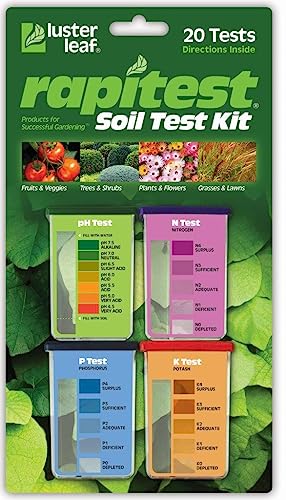
Quick, at home results for Soil pH, Nitrogen, Phosphorous and Potash Innovative and inexpensive soil test kit features an easy-to-use capsule system and patented color comparators

Quick, at home results for Soil pH, Nitrogen, Phosphrous and Potash

Kindly NOTE: This soil tester can not be applied to test pH value of any other liquid. If the soil is too dry the indicator will not move, and water it before testing.
Selecting the Right Location
Select a spot that receives six to eight hours of sunlight daily. Monitor potential shade from trees or buildings. Ensure good air circulation around the plants. Choose a location that’s easily accessible for regular maintenance, like watering and harvesting. You can also consider planting near companion plants such as carrots or radishes. These combinations maximize space and promote healthy growth.
Soil Preparation
Prepare the soil for optimal leaf lettuce growth. Start by removing weeds, rocks, and debris from the designated area. Aim for well-draining soil with a pH level between 6.0 and 7.0. Enrich the soil with organic matter, such as compost or aged manure, at a depth of 12 inches. This addition boosts nutrient content and improves soil structure. You can utilize a soil test kit to assess nutrient levels and amend the soil accordingly. Finally, till the soil to ensure even distribution of amendments and a loose texture for root development.
How Do You Plant Leaf Lettuce
Planting leaf lettuce is simple and rewarding. Follow these steps for successful growth.
Recommended Products
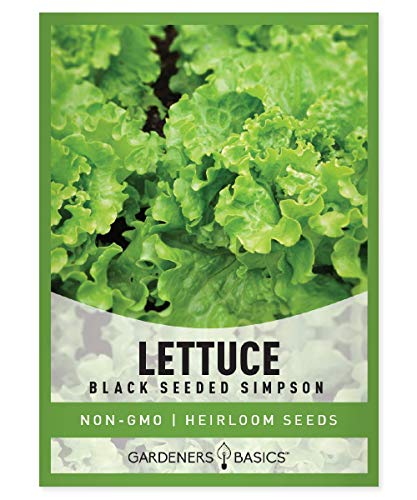
DELICIOUS TRUSTED VARIETY - Popular leafy lettuce seed used by gardeners for years.

100% Organic, Non-GMO, and Heirloom Seeds from our farms to your garden!

USDA Certified Organic by Oregon Tilth
Seed vs. Seedling
Choosing between seeds and seedlings affects your planting approach.
- Seeds: Start with seeds for more variety and cost-effectiveness. Seeds offer an expanded selection of lettuce types, allowing you to choose specific flavors and textures.
- Seedlings: Use seedlings for faster results. Seedlings provide a more established plant that can yield quicker harvests. Consider purchasing seedlings from a local nursery for convenience.
Planting Techniques
Implement proper techniques to ensure successful planting.
- Direct Sowing: Sow seeds directly into the soil after the last frost. Scatter seeds uniformly, covering them lightly with soil. Maintain a spacing of about 10 to 12 inches between rows.
- Transplanting: If using seedlings, space them 6 to 12 inches apart. Dig small holes in the soil, place the seedling in, and cover the roots carefully with soil. Water gently to settle the soil around the plant.
- Container Growing: Use containers if space is limited. Ensure containers have drainage holes. Fill with quality potting mix, plant seeds or seedlings, and water thoroughly.
Consistently monitor moisture levels, ensuring the soil remains moist but not soggy. Lettuce thrives in cooler temperatures, so maintain good air circulation while avoiding heat stress.
Caring for Leaf Lettuce
Caring for leaf lettuce involves regular attention to watering and pest management. Implementing proper practices ensures healthy growth and a bountiful harvest.
Recommended Products

IDEAL GIFTS FOR MEN, WOMEN - Our gardening tools set is the ultimate gift for any men women who loves to garden. Including rust-proof and durable tools, this set ensures she has everything she needs for a flourishing garden. The ergonomic design makes it comfortable to use, making it a thoughtful gift for wife, mom, daughter, or grandma.
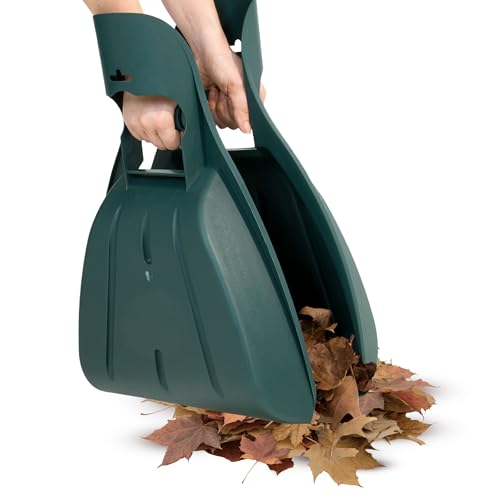
LEAF SCOOPS HAND RAKES - These lightweight leaf scoops have supporting wrist guards that allow you to collect leaves with less strain than using a traditional rake. Slots on each of the wrist guards let you hang them up for easy storage after use.
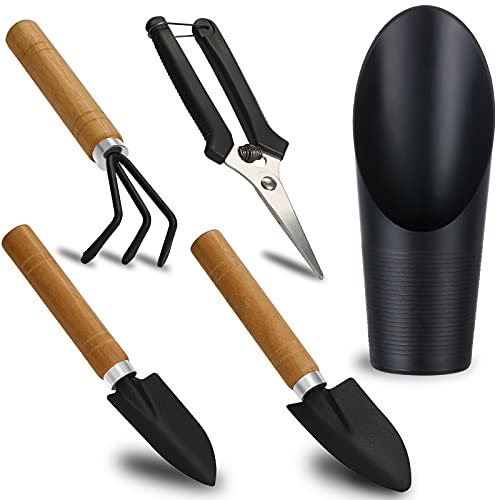
[SUCCULENT GARDEN TOOLS SET] The mini gardening hand tools kit include 3Pcs garden planting tools:1 shovel,1 spade,1 rake;and1 pruning scissors; 1 plastic bucket shovel,pieces of 5.
Watering Guidelines
Watering requires a consistent approach. Aim for 1 to 1.5 inches of water weekly. Use the following tips:
- Check Soil Moisture: Stick your finger about an inch into the soil. If it feels dry, it’s time to water.
- Water Early or Late: Early mornings or late afternoons minimize evaporation. This method keeps plants hydrated.
- Avoid Over-Watering: Water until the soil is moist but not soggy. Over-watering can lead to rot and other issues.
Pest Management
Pest management is essential for protecting your crop. Monitor for common pests like aphids, slugs, and caterpillars. Implement these strategies:
- Inspect Regularly: Check leaves top and bottom for pests. Early detection prevents infestations.
- Use Neem Oil: Apply neem oil as a natural pesticide. Dilute according to package instructions and spray on affected plants.
- Encourage Beneficial Insects: Ladybugs and lacewings help control pests naturally. Plant flowers like marigolds to attract them.
Maintaining these practices helps ensure healthy leaf lettuce and maximizes your gardening efforts.
Harvesting Leaf Lettuce
Harvesting leaf lettuce requires attention to timing and technique. Proper harvesting ensures you enjoy fresh, crisp leaves while promoting continued growth.
When to Harvest
Harvest leaf lettuce once the leaves reach about 4 to 6 inches in height, usually 30 to 45 days after planting. You can harvest at various growth stages, depending on your preference for smaller or larger leaves. Check for vibrant color and firm texture, indicating optimal freshness. For continuous harvest, pick outer leaves first, allowing inner leaves to keep growing.
- Cutting Leaves: Use clean garden scissors or a knife to cut outer leaves about an inch above the base. This method promotes regrowth.
- Pulling Plants: If you prefer a whole head, pull the plant gently from the ground. Ensure roots are intact for potential replanting or transplanting.
- Using Gloves: Wear gloves to protect your hands while harvesting. This practice helps keep leaves clean and reduces potential contamination.
Taking care of your harvesting technique aids in maintaining quality and encourages further growth, resulting in a more bountiful lettuce harvest.
Conclusion
Growing leaf lettuce can be a rewarding experience that adds freshness to your meals. With the right preparation and care you can enjoy a continuous supply of this nutritious green. Remember to keep an eye on moisture levels and pests to ensure your lettuce thrives.
Harvesting at the right time not only enhances flavor but also encourages further growth. So get your hands dirty and enjoy the process of nurturing your leafy greens. You’ll love the taste of homegrown lettuce and the satisfaction that comes with it. Happy gardening!
Frequently Asked Questions
What types of leaf lettuce can I grow in my garden?
You can grow several types of leaf lettuce, including Loose-Leaf, Butterhead, Romaine, and Cos. Each variety offers unique flavors and nutritional benefits, making them great for salads and other dishes.
What are the nutritional benefits of leaf lettuce?
Leaf lettuce is rich in vitamins A, C, and K, as well as minerals like iron and calcium. It’s also high in fiber, making it a nutritious addition to your diet and supporting overall health.
How do I prepare my garden for planting lettuce?
Prepare your garden by choosing a sunny location with good air circulation. Remove any debris, ensure the soil is well-draining with the right pH, and enrich it with organic matter for optimal growth.
Should I use seeds or seedlings to plant lettuce?
You can use either seeds or seedlings to plant lettuce. Direct sowing seeds is a common method, while transplanting seedlings can be beneficial if you start indoors or purchase them from a nursery.
How do I care for lettuce as it grows?
Care for your lettuce by monitoring soil moisture and watering it early or late to reduce evaporation. Ensure proper spacing between plants and check regularly for pests to maintain healthy growth.
When is the best time to harvest lettuce?
The best time to harvest lettuce is when the leaves reach about 4 to 6 inches in height. Use clean scissors to cut leaves or gently pull plants for whole heads, ensuring freshness and quality.
What are effective pest management strategies for lettuce?
For pest management, regularly inspect your lettuce plants and use neem oil as a natural pesticide. You can also attract beneficial insects like ladybugs and lacewings to help control pests naturally.
