

Ever wondered how long it takes to grow your own lettuce? Whether you’re dreaming of fresh salads or just looking to try your hand at gardening, knowing the growth timeline can make all the difference.
Imagine planting those crisp green leaves and eagerly watching them sprout, only to find out you’ve been waiting too long or not long enough. This article will guide you through the different types of lettuce and their growth cycles, helping you plan your garden with confidence. By the end, you’ll know exactly what to expect and when to harvest your delicious homegrown lettuce.
Key Takeaways
- Growth Duration: Lettuce typically takes between 30 to 90 days to grow, with leaf lettuce maturing the quickest (30-45 days) and head/romaine varieties requiring more time (70-90 days).
- Types of Lettuce: The three main types are leaf (quick growth), head (compact heads), and romaine (tall, upright leaves), each with different growing conditions and harvest methods.
- Ideal Conditions: Lettuce grows best in temperatures between 60°F and 70°F, with 6 to 8 hours of sunlight daily; providing partial shade during warmer months can boost growth.
- Soil Requirements: Use well-draining soil rich in organic matter with a pH of 6.0 to 7.0 for optimal growth, and keep the soil consistently moist without being waterlogged.
- Watering Needs: Maintain consistent moisture at about 1 to 1.5 inches of water per week, utilizing methods like drip irrigation to avoid overwatering and root rot.
- Environmental Influences: Monitor factors such as temperature, sunlight, and watering regularly, as they significantly impact lettuce growth rates and overall plant health.
Types Of Lettuce
Lettuce comes in several varieties, each with distinct growing traits and culinary uses. Understanding these types helps you choose the best option for your garden.
Recommended Products

FIVE FLAVORFUL VARIETIES FOR A COMPLETE SALAD GARDEN SOLUTION. This lettuce seed pack includes black seeded simpson, red romaine, bibb, buttercrunch, and iceberg. Perfect for salads, wraps, smoothies, and toppings with fresh, homegrown flavors year-round.

🥬 Heat-Tolerant Upright Romaine: Jericho Romaine Lettuce (Lactuca sativa) forms tall, sturdy heads with crisp ribs and tender, mildly sweet leaves. Known for its strong heat tolerance compared to many romaine varieties, it grows 18–24 inches tall and delivers reliable harvests in extended spring and early summer conditions.
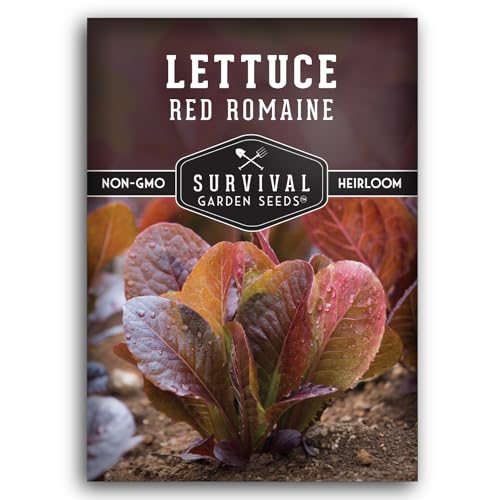
RED ROMAINE SEEDS FOR PLANTING – Striking lettuce has burgundy-to-ruby red leaves with crisp green hearts create a bold contrast in the garden and add vibrant color and flavor to Caesar salad and other dishes
Leaf Lettuce
Leaf lettuce features loose, frilly leaves that come in various colors, including green and red. You can expect a harvest time of 30 to 45 days after planting. Varieties like Butterhead and Red Leaf are popular choices. For optimal taste, pick leaves regularly to encourage new growth.
Head Lettuce
Head lettuce forms a compact, rounded head and includes varieties like Iceberg and Butterhead. This type typically takes 70 to 90 days to grow. Monitor moisture levels closely during growth, as head lettuce prefers consistent watering. Harvest the entire head when it’s firm but not split.
Romaine Lettuce
Romaine lettuce, known for its tall, upright leaves and thick ribs, grows well in cooler weather. Expect a growth period of 70 to 90 days, similar to head lettuce. Varieties like Parisian and Cos are noted for their crunch. Harvest leaves from the outer edges as needed, which encourages continued growth from the center.
Growing Lettuce: An Overview
Growing lettuce involves understanding growth cycles and ideal conditions. You can expect different timeframes based on the lettuce type you choose.
Ideal Growing Conditions
Lettuce thrives in cool environments, ideally between 60°F and 70°F. Direct sunlight helps it grow strong, but aim for 6 to 8 hours daily. During warmer months, providing partial shade improves growth. Wind protection can also help prevent damage to delicate leaves.
Soil Requirements
Soil plays a critical role in growing lettuce. Use well-draining soil rich in organic matter. Aim for a pH level between 6.0 and 7.0 for optimal nutrient absorption. Adding compost enhances soil fertility, leading to healthier plants. Regularly check moisture levels, ensuring the soil remains moist but not waterlogged.
Duration For Lettuce Growth
Understanding the duration for lettuce growth is crucial for successful cultivation. Lettuce typically takes between 30 and 90 days to grow, depending on the variety and conditions.
Recommended Products

EASIER SEED STARTING: Our Burpee SuperSeed tray with 36 flexible pop-out cells is designed to simplify indoor seed starting for all your favorite vegetables, flowers and herbs. Just add seed starting mix, seeds, water and light to get growing! Rows are labeled alphanumerically for seedling identification with included Plant-o-Gram diagram. Tray dimensions: 11.5" x 10-3/8" x 2-1/4"
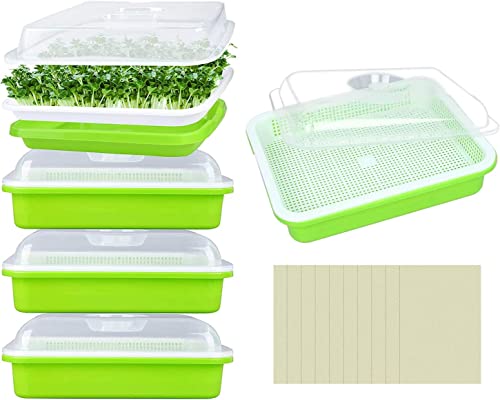
Microgreens Growing Trays: You will receive 5 pcs seed starter tray, comes with 10 planting papers, the size is 12.7 * 10.23 * 4.95 inch, fit for your daily use, help your fruits, veggies and flowers grow better, no need soil, only water you can taste fresh vegetables at home

DESIGNED FOR NON-SLIP & DRAINAGE: Designed for fast and healthy seed germination, this seed germination tray combines a corrugated design with drainage holes to conveniently and quickly meet the optimal growing conditions required during planting. Its corrugated structure minimises seed movement during planting, while quickly concentrating excess water into the drainage holes and flowing down to the bottom tray
Germination Period
Germination takes about 7 to 10 days. During this phase, seeds need consistent moisture and warmth, ideally around 70°F. Keep the soil moist but not soaked. You can speed up germination by soaking seeds in water for a few hours before planting.
Growth Timeline For Different Varieties
Different types of lettuce have distinct growth timelines:
| Lettuce Variety | Days to Maturity |
|---|---|
| Leaf Lettuce | 30-45 days |
| Head Lettuce | 70-85 days |
| Romaine Lettuce | 70-90 days |
Leaf lettuce matures quickly, allowing multiple harvests in a growing season. Head and romaine varieties require more time but yield denser heads of lettuce. Monitor their growth to ensure optimal conditions, providing plenty of sunlight and appropriate watering throughout their life cycle.
Factors Affecting Growth Rate
Lettuce growth is influenced by various environmental factors. Understanding these elements can help you optimize growing conditions for a quicker harvest.
Temperature
Temperature plays a crucial role in lettuce growth. Ideal temperatures range from 60°F to 70°F. At these temperatures, lettuce germinates quickly and grows steadily. When temperatures exceed 80°F, growth slows, and plants may bolt, leading to premature flowering. For best results, monitor daily temperatures and provide shade if needed during hot spells.
Watering
Watering significantly impacts lettuce growth. Consistent moisture is essential; soil should remain damp but not soggy. Overwatering can lead to root rot, while underwatering causes wilting and stunted growth. Aim for about 1 to 1.5 inches of water per week, either through rainfall or irrigation. Use drip irrigation or soaker hoses for efficient and targeted watering.
Sunlight
Sunlight affects lettuce’s photosynthesis process, directly influencing growth rates. Lettuce thrives on at least 6 hours of full sun each day. Insufficient sunlight can lead to leggy, weak plants. If you grow lettuce indoors or in partial shade, consider using grow lights to supplement natural light. Adjust the placement of your plants to ensure they receive adequate sunlight throughout the day.
Conclusion
Growing lettuce can be a rewarding experience whether you’re a seasoned gardener or just starting out. By keeping an eye on the growth timelines for different varieties and providing the right conditions you can enjoy fresh, homegrown lettuce in no time.
Remember to stay attentive to temperature watering and sunlight needs to help your plants thrive. With a little patience and care you’ll be harvesting delicious lettuce that’s perfect for salads sandwiches or any meal you desire. Happy gardening!
Frequently Asked Questions
How long does it take for lettuce to grow?
Lettuce growth duration varies by type. Leaf Lettuce typically matures in 30-45 days, while Head Lettuce and Romaine Lettuce take longer, ranging from 70-90 days.
What are the ideal conditions for growing lettuce?
The ideal growing conditions for lettuce include temperatures between 60°F and 70°F, consistent moisture (1 to 1.5 inches of water per week), and at least 6 hours of full sunlight daily.
How can I ensure fast germination of lettuce seeds?
To ensure quick germination, maintain consistent moisture and warmth. Lettuce seeds usually germinate in 7 to 10 days under these conditions.
Can I harvest Lettuce multiple times?
Yes, you can harvest Leaf Lettuce multiple times as it matures quickly. However, Head and Romaine varieties yield a single dense head per plant upon maturity.
What factors affect lettuce growth?
Key factors influencing lettuce growth include temperature, watering, sunlight exposure, and the specific variety being cultivated. Regular monitoring and adjustments will lead to better yields.
