

Have you ever looked at your lettuce seedlings and wondered if they’re too crowded? It’s a common dilemma for many gardeners. You’ve sown those tiny seeds with hope, only to see them sprout in a tangle. The good news is that thinning your seedlings can make a big difference in their growth and health.
Key Takeaways
- Thinning is Essential: Overcrowded lettuce seedlings hinder growth, making thinning crucial for healthy development and optimal spacing.
- Proper Timing: Thin seedlings when they are about 2 to 3 inches tall, particularly when they grow their first true leaves, to ensure minimal disturbance to the root system.
- Effective Thinning Methods: Use gentle techniques like pulling out or cutting seedlings at the soil line to minimize root disruption for remaining plants.
- Monitor Growth: Regularly check seedlings for signs of overcrowding or uneven growth to determine the ideal moment to thin.
- Benefits of Thinning: Improved air circulation and enhanced nutrient access result from proper spacing, leading to larger, healthier, and tastier lettuce plants.
Understanding Lettuce Seedlings
Lettuce seedlings require proper care for optimal growth. Overcrowding hampers their development, making thinning essential.
Importance of Thinning
Thinning allows your lettuce seedlings enough space to grow. When seedlings compete for nutrients and light, they can become weak. Removing some seedlings ensures that remaining ones flourish. Aim for a distance of 6 to 12 inches between mature plants. This spacing enhances air circulation and reduces disease risk.
Effects on Growth
Growth improves significantly when you thin seedlings. Plants that have sufficient room develop stronger roots and larger leaves. For example, a cluster of densely packed seedlings may produce smaller heads of lettuce. In contrast, well-spaced seedlings yield larger, healthier plants. Following thinning, monitor their progress—healthy seedlings will show vibrant colors and robust growth patterns.
When to Thin Lettuce Seedlings
Thinning lettuce seedlings at the right time ensures healthy growth and maximizes yield. Knowing when to thin helps promote stronger plants and keeps your garden thriving.
Recommended Products

HELPING YOU GARDEN BETTER: Get ready for a huge harvest from your vegetable garden! Inspired by the Square Foot Gardening method, our patented seed-spacing template is fun for all ages and experience levels.

🌱Durable Material: The whole body of the plant transplanting tongs is made of high-quality stainless steel, easy to clean and does not rust, very durable.

【Mini Seed Spreader Set】If you have been troubled by putting too many seeds in one spot in your garden. This mini seed spreader sets is a must-have for the avid gardener, we have different combinations of planting gadgets for you to choose. Makes it so much easier to make seed tapes and evenly distribute the seeds when direct seed sowing.which makes planting seeds a breeze! You will not have this problem anymore.
Signs It’s Time to Thin
- Overcrowding: When seedlings seem to compete for space or appear overcrowded, it’s time to thin. Look for closely spaced plants that hinder each other’s growth.
- Leaf Development: When seedlings grow their first true leaves, usually two to three weeks after planting, it’s a sign to assess spacing. Healthy seedlings should show robust leaf growth.
- Height Variation: If some seedlings tower over others, it indicates uneven growth. Thinning allows shorter plants to receive adequate light, promoting uniform growth.
- Monitor Growth Regularly: Check seedlings weekly, especially in the early stages. Observing their growth helps determine the right moment to thin.
- Thin in the Evening: Choose evening hours for thinning. This reduces stress on the plants and minimizes sun exposure to the freshly disturbed roots.
- Target Young Seedlings: Aim to thin your seedlings when they are still relatively young, ideally before they reach 3 inches in height. This ensures minimal disturbance to the overall root system.
How to Thin Lettuce Seedlings
Thinning lettuce seedlings ensures each plant has enough space to grow. Follow these methods and tips for effective thinning.
Methods for Thinning
- Pulling Out Seedlings: Gently pull out the weaker seedlings from the base. This method reduces root disturbance for the remaining plants.
- Cutting Seedlings: Use scissors to snip off the smaller seedlings at the soil line. This approach protects the roots of nearby plants.
- Identifying Targets: Focus on seedlings that are crowded or smaller than their neighbors. Thinning helps provide even spacing.
- Timing Your Thinning: Thin seedlings when they’re about 2 to 3 inches tall, in the evening. This timing helps reduce stress on the plants.
- Garden Scissors: Use sharp, clean scissors for precise cuts. This tool minimizes damage to the remaining seedlings.
- Tweezers: For delicate thinning, tweezers help grip small seedlings without disturbing nearby roots.
- Dibber or Stick: Use a dibber to gently lift seedlings if you’ve planted them closely together. This tool aids in careful removal.
- Garden Gloves: Wear gloves to protect your hands, especially if you’re handling soil or working in wet conditions.
Using these methods and tools simplifies the thinning process, helping your lettuce thrive.
Benefits of Thinning Lettuce Seedlings
Thinning your lettuce seedlings offers several key advantages that promote healthy growth and strong plants.
Recommended Products
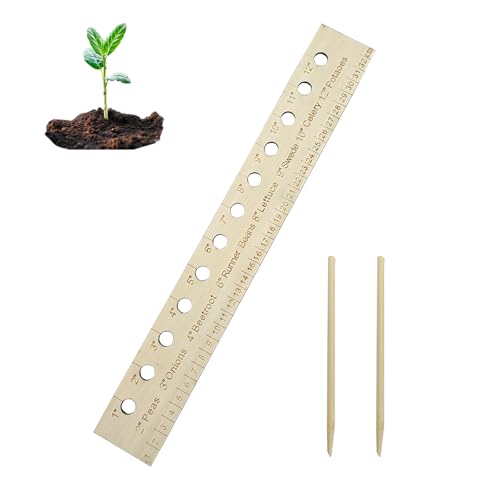
1. Precise Planting and Spacing: This seed spacer and planting ruler ensures accurate and consistent spacing for your vegetable gardens and yard, promoting healthy plant growth.

Ergonomic T-Handle Dibber: This T-grip dibber offers comfortable holding and eases hand fatigue for long work. Crafted from smooth burr-free plastic, the whole set is quick to rinse and clean.
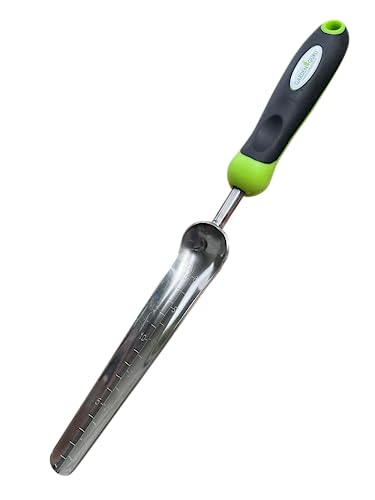
PERFECT SEED PLANTING TROWEL – Narrow edge to easily fit in small spaces. Ideal for planting seeds and transplanting small plants, vegetables, flowers in narrow and hard to reach spaces.
Improved Air Circulation
Thinning encourages better airflow among the seedlings. When plants are spaced correctly, it reduces humidity around the leaves. Improved air circulation minimizes the risk of fungal diseases. For instance, if you notice that your seedlings are bunched too tightly, thinning creates space, allowing each plant to breathe and grow more robustly.
Enhanced Nutrient Access
Thinning gives remaining seedlings access to more nutrients. With adequate spacing, roots can spread out and reach essential minerals and water. This leads to stronger plants. For example, if you thin seedlings to a distance of 6 to 12 inches apart, each plant will have a better chance of obtaining the nutrients it requires without competition. Plus, well-nourished lettuce grows larger and tastes better.
Conclusion
Thinning your lettuce seedlings is a simple yet effective step towards a thriving garden. By giving each plant the space it needs you’re setting the stage for healthier growth and tastier leaves. Remember that a little effort now can lead to bountiful harvests later. Embrace the process and enjoy watching your lettuce flourish. Happy gardening!
Frequently Asked Questions
Why is thinning lettuce seedlings important?
Thinning lettuce seedlings is crucial for promoting optimal growth. It allows for adequate space between plants, reducing competition for resources. This leads to stronger roots and larger leaves, helping the plants thrive.
How far apart should mature lettuce plants be spaced?
Mature lettuce plants should be spaced 6 to 12 inches apart. This spacing encourages better development and ensures that each plant has sufficient access to sunlight, nutrients, and air circulation.
What are the benefits of thinning lettuce seedlings?
Thinning seedlings improves air circulation, reduces humidity, and lowers the risk of fungal diseases. It also allows remaining plants to access more nutrients, resulting in stronger, healthier, and better-tasting lettuce.
When should I thin my lettuce seedlings?
You should thin lettuce seedlings once they have developed a few true leaves, typically when they are 2 to 4 inches tall. This timing helps ensure that the remaining plants can maximize their growth potential.
Can I use the thinned seedlings in cooking?
Yes, you can use the thinned seedlings in cooking. They are often tender and flavorful, making them a delicious addition to salads or other dishes. Just ensure they are washed properly before consumption.
