

Have you ever wondered how long it takes for lettuce to sprout? If you’re looking to grow your own fresh greens, understanding the sprouting timeline can make all the difference. Imagine planting those tiny seeds and eagerly waiting for the first signs of life to peek through the soil.
Key Takeaways
- Sprouting Timeline: Lettuce seeds typically germinate within 7 to 14 days under ideal conditions, depending on the variety and environmental factors.
- Temperature Range: Optimal soil temperatures for lettuce germination are between 60°F to 70°F; temperatures below 50°F can significantly slow the process.
- Moisture Levels: Keeping the soil consistently moist (50% to 60% moisture) is crucial for activating seed germination; avoid soggy conditions to prevent root rot.
- Seed Quality: Using high-quality seeds from reputable sources enhances germination rates and promotes stronger plants; check seed viability before planting.
- Environmental Factors: Factors like light exposure, humidity, and soil composition direct the success of sprouting; aim for 12 to 16 hours of light and ensure well-draining soil.
- Common Challenges: Address issues like insufficient moisture, excessive heat, and pest infestations to improve the likelihood of successful germination and growth.
Factors Affecting Lettuce Sprouting Time
Several key factors influence how long it takes for lettuce seeds to sprout. Understanding these elements helps you create the best conditions for your crops.
Temperature Requirements
Temperature plays a crucial role in lettuce sprouting. Ideal soil temperatures range from 60°F to 70°F (15°C to 21°C). Seeds exposed to these temperatures usually sprout within 7 to 14 days. If the soil is cooler than 50°F (10°C), germination slows significantly. To ensure optimal conditions, consider using row covers or a greenhouse to maintain warmth.
Moisture Levels
Moisture levels directly affect seed germination. Keep the soil consistently moist, but not soggy. Lettuce seeds need adequate moisture to absorb and activate germination. A soil moisture level of 50% to 60% works best. If dry conditions are present, seeds may delay germination or fail to sprout altogether. Regularly check the soil and use a spray bottle for gentle watering to maintain humidity.
Seed Quality
High-quality seeds germinate faster and produce stronger plants. Purchase seeds from reputable suppliers to ensure freshness and viability. Check the seed packet for the planting date, as older seeds may take longer to sprout. Store seeds in a cool, dry place to prolong their lifespan. Test a small batch for germination rates before planting to gauge their quality.
Typical Germination Time
Lettuce seeds typically germinate within a uniform timeframe when provided with suitable conditions. Under ideal circumstances, you can expect sprouts in about 7 to 14 days after planting.
Varieties of Lettuce
Different lettuce varieties vary in their germination times. For instance:
- Romaine: Germinates in 7 to 10 days.
- Butterhead: Sprouts within 8 to 12 days.
- Leaf Lettuce: Known for quicker sprouting, typically within 5 to 10 days.
Selecting the right variety matters when planning your garden.
Environmental Conditions
Specific environmental factors impact how long it takes for lettuce to sprout:
- Temperature: Optimal temperature for germination lies between 60°F and 70°F. Temperatures below 40°F can delay germination, while temperatures above 75°F may hinder growth.
- Moisture: Consistent moisture is essential. Aim to keep the soil moist but not waterlogged to prevent rot and encourage sprouting.
- Light: While lettuce seeds don’t require light to germinate, covering them lightly with soil aids the process. Once seedlings appear, they prefer partial sunlight.
Creating ideal conditions accelerates growth and leads to a fruitful harvest.
Steps to Encourage Fast Sprouting
Creating the right conditions is crucial for fast lettuce sprouting. Follow these steps for optimum results.
Recommended Products

Miracle-Gro Indoor Potting Mix for Seed Starting grows stronger roots for seeding success (vs unfed when used as directed)

READY TO USE MIXTURE - The same formulation as used by professional growers

Includes Back to the Roots Compressed Seed Starting Potting Mix that expands to 12qt of soil. A balanced pH, which means it’s truly all-purpose. Use alone or as an amendment for anything in a pot or in the ground — vegetables, flowers, herbs, and even starting seeds.
Optimal Soil Preparation
Choose a well-draining, loamy soil. Soil rich in organic matter promotes healthy growth. Mix in compost or well-rotted manure before planting. Ensure the soil temperature remains between 60°F and 70°F. Test the pH level; lettuce grows best in slightly acidic to neutral soil, ranging from 6.0 to 7.0.
Proper Watering Techniques
Water consistently but avoid overwatering. Keep the soil consistently moist, not soggy. Water in the morning to help prevent fungal diseases. Use a gentle spray to avoid displacing seeds. Depending on your climate, this may require watering every few days, especially during dry spells.
Adequate Sunlight Exposure
Provide 12 to 16 hours of light each day for vigorous growth. If you’re growing indoors, consider using grow lights to supplement natural light. Place seedlings where they’ll receive morning sunlight, as it’s less intense. If growing outdoors, ensure they’re in a location with partial sunlight to avoid scorching and promote even growth.
Common Problems and Solutions
Lettuce seeds can face various challenges during germination. Identifying and addressing these common issues can improve your chances for a successful crop.
Recommended Products

EASIER SEED STARTING: Our Burpee SuperSeed tray with 36 flexible pop-out cells is designed to simplify indoor seed starting for all your favorite vegetables, flowers and herbs. Just add seed starting mix, seeds, water and light to get growing! Rows are labeled alphanumerically for seedling identification with included Plant-o-Gram diagram. Tray dimensions: 11.5" x 10-3/8" x 2-1/4"

[New Intelligent Controller]: The difference with the regular version, we use the latest type of digital display controller. You can see the time of the timer setting through the display, and at the same time, more timer time settings (1H - 23H) are supported. When the display SHOWS "00," it means the light is in constant-on mode and will remain lit indefinitely without turning off.
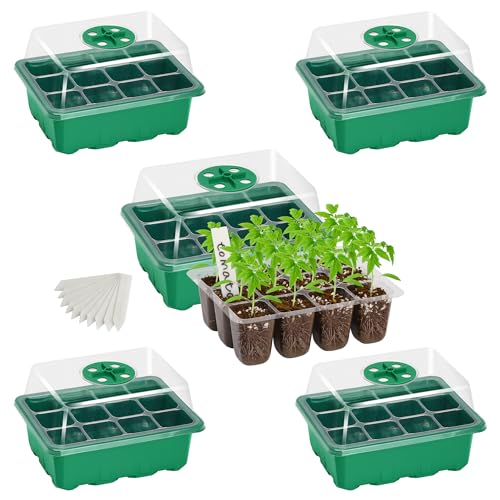
【Keep an eye on your plant】: The only design in the market- High quality clear plastic trays of this seed grow kit make it easier to observe your plants without interrupting the process.
Insufficient Moisture
Lettuce seeds require consistent moisture to sprout effectively. If the soil is too dry, seeds won’t germinate. To prevent this issue, ensure the soil remains moist but not waterlogged. Water gently using a spray bottle or a watering can with a fine spout. Check the soil daily; if it feels dry an inch below the surface, give it a light watering.
Too Much Heat
Excessive heat can hinder germination. Lettuce typically prefers cooler temperatures around 60°F to 70°F. If the temperature exceeds 75°F, seeds may take longer to sprout or fail to germinate. Place your seed trays in a shaded area or use shade cloth when temperatures rise. If growing indoors, adjust the thermostat or move seedlings closer to a cooler window.
Pest Issues
Pests can pose a significant threat to sprouting lettuce seeds. Common pests include aphids and fungus gnats. To protect your seeds, use insect barriers or row covers to deter pests. Regularly inspect your plants for signs of infestation. If detected, treat the affected area with insecticidal soap or neem oil as needed. Keeping your garden clean and removing debris can also help minimize pest risks.
Conclusion
Growing your own lettuce can be a rewarding experience and knowing how long it takes for your seeds to sprout is just the beginning. By providing the right conditions and addressing any potential issues early on you’ll set yourself up for success.
Remember to keep an eye on moisture levels and temperature to ensure your seeds germinate within that 7 to 14-day window. With a little patience and care you’ll soon be enjoying fresh lettuce right from your garden. Happy gardening!
Frequently Asked Questions
What factors influence lettuce seed sprouting time?
Lettuce seed sprouting time is influenced by temperature, moisture levels, and seed quality. Ideal conditions play a crucial role in germination, which typically occurs within 7 to 14 days.
How do I create optimal conditions for lettuce seed germination?
To create optimal conditions for lettuce seed germination, ensure proper soil preparation, consistent moisture levels, and adequate light exposure. Maintaining a temperature between 60°F and 70°F also helps promote sprouting.
What common problems can affect lettuce seed germination?
Common problems during lettuce seed germination include insufficient moisture, excessive heat, and pest infestations. These factors can hinder successful sprouting and growth.
How can I address insufficient moisture for lettuce seeds?
To address insufficient moisture, regularly check the soil and ensure it remains consistently damp but not waterlogged. Employ methods like mulching to retain moisture levels effectively.
What should I do if the temperature is too hot for lettuce seeds?
If temperatures are excessively hot, consider relocating your seed trays to a shadier spot or using shade cloth to lower the temperature, promoting better germination conditions.
How can I control pests that might affect germinating lettuce seeds?
To control pests, implement measures such as using insect barriers, regularly inspecting your plants for infestations, and applying organic pest control solutions if needed.
