

Have you ever wondered why your lettuce seeds aren’t sprouting as quickly as you’d hoped? It can be frustrating to watch your garden sit still while you wait for those crisp greens to emerge. The secret often lies in the temperature.
Key Takeaways
- Optimal Germination Temperature: Lettuce seeds germinate best between 60°F and 70°F (15°C to 21°C), with sprouting typically occurring within 7 to 14 days.
- Impact of Soil Temperature: Temperatures below 40°F (4°C) can slow germination, while those above 75°F (24°C) may stress seeds, leading to uneven growth.
- Moisture and Soil Quality: Consistent moisture is crucial; use well-draining, nutrient-rich soil to promote healthy germination and avoid over-saturation.
- Light Requirements: Lettuce seeds benefit from some light to germinate, so keep soil covering minimal for optimal light penetration.
- Seed Preparation Tips: Soaking seeds for 2 to 4 hours before planting can enhance germination, while using a seed starter mix helps retain moisture.
- Type-Specific Preferences: Different lettuce types have unique temperature ranges, with Romaine preferring cooler conditions (60°F to 65°F) and Butterhead thriving in slightly warmer temperatures (65°F to 75°F).
Understanding Lettuce Germination
Temperature plays a crucial role in how fast and effectively lettuce seeds germinate. Knowing the ideal conditions can make a big difference in your garden’s success.
Importance of Temperature
Temperature directly influences the germination rate of lettuce seeds. The optimal range for lettuce germination falls between 60°F and 70°F (15°C to 21°C). At these temperatures, seeds sprout quickly, typically within 7 to 14 days. If soil temperatures dip below 40°F (4°C) or rise above 75°F (24°C), germination can slow down or stop entirely, leading to uneven growth. You want to keep an eye on temperature to ensure your seeds sprout efficiently.
Factors Affecting Germination
Several factors affect lettuce germination besides temperature:
- Moisture: Adequate moisture is essential for activating seed metabolism. Keep the soil consistently damp, but not soggy.
- Light: Lettuce seeds require some light to germinate. An initial covering of soil should be minimal, allowing light penetration.
- Seed Quality: Fresh seeds germinate more reliably than older ones. Always use high-quality seeds for the best results.
- Soil Texture: Loose, well-draining soil promotes better air circulation and moisture retention, aiding germination.
Understanding these factors helps you create the ideal environment for your lettuce seeds to thrive. Make adjustments as needed throughout the germination process.
Optimal Temperature Range
Lettuce germinates best within a specific temperature range. Maintaining the right conditions promotes quicker and more uniform sprouting.
Recommended Products

IDEAL GERMINATION TEMPERATURE: The BN-LINK seedling heat mat helps maintain temperatures around 70°F to 85°F, the optimal range for seed starting, cutting propagation, and healthy seedling growth—helping you achieve faster germination and higher growth rates.
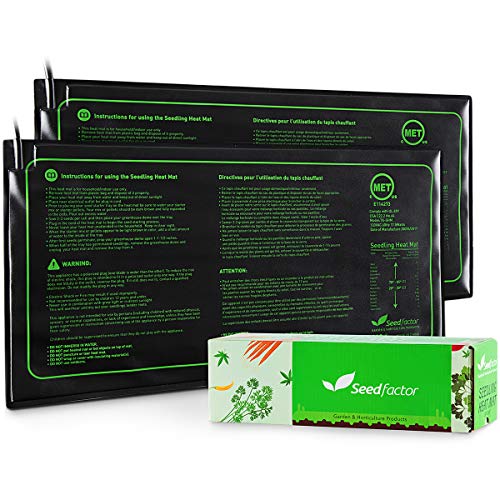
MET safety certified;Comply with UL 499;CSA C22.2 No.64

✓ Consistent & Uniform Heating: BN-LINK seedling heat mat maintains temperatures around 70–85℉, creating ideal conditions for seed starting and cutting propagation, speeding up germination and accelerating growth. The advanced heating film with double insulation layers ensures even heat and prevents scorching roots.
Ideal Temperature for Germination
Germination occurs optimally between 60°F and 70°F. At these temperatures, most lettuce seeds sprout within 7 to 14 days. Temperatures below 40°F slow down the process, possibly leading to poor germination rates. Conversely, exposure to temperatures above 75°F can cause stress on the seeds, resulting in uneven sprouting.
Variations by Lettuce Type
Different lettuce types may exhibit slight variations in their temperature preferences.
- Romaine: Prefers a range of 60°F to 65°F, producing strong, healthy plants.
- Butterhead: Thrives between 65°F and 75°F, offering a sweet, tender harvest.
- Leaf Lettuce: Germinates well between 60°F and 70°F, adapting easily to changing conditions.
Knowing the preferred temperature for each lettuce type helps you optimize germination conditions effectively.
Germination Process
Lettuce germination involves specific steps and conditions. Understanding these aspects ensures successful seed sprouting.
Recommended Products

What you will get: you'll get six horizontal plate fish tank thermometers with a temperature range of 64-93°F (18-34°C); The horizontal plate design can not only be pasted on the fish tank, but also can be pasted on some flat containers

【The Ideal 5-Inch Depth for Home Gardens & Compost Bins】Designed for All Passionate Gardeners! This probe is long enough to reach the active core of backyard compost piles and deep into soil for accurate readings, yet perfectly sized for raised beds and containers without the hassle of overly long professional stems.
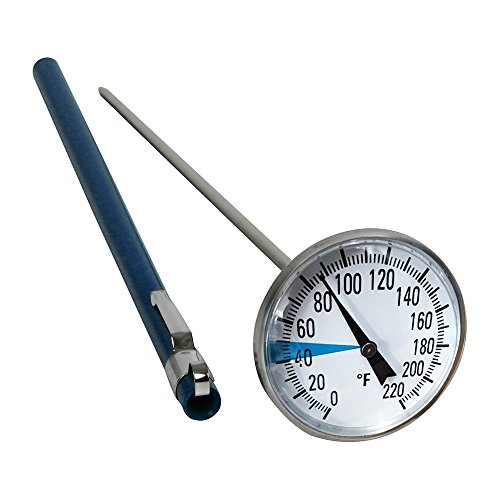
PRACTICAL SOLUTION - While other Soil Thermometers can’t tell the correct temperature, fogs up, and get broken easily, our soil thermometer has high precision performance, high-visibility, and is designed to last
Seed Prep Techniques
You can enhance germination by adopting effective seed preparation techniques. Start by soaking seeds in water for about 2 to 4 hours. This process helps soften the seed coat and encourages water absorption. After soaking, allow the seeds to dry slightly to prevent sticking. To further promote germination, consider using a seed starter mix that retains moisture while providing aeration. A consistent moisture level is essential during germination, so regularly check the soil’s dampness without overwatering, which can lead to rot.
Environmental Conditions
Maintaining optimal environmental conditions is crucial for lettuce germination. Aim for a temperature range of 60°F to 70°F. If the temperature drops below 40°F or rises above 75°F, germination can slow down or may not occur. Natural light also plays a role. Place your seed trays or pots in a bright location, but avoid direct sunlight, which can overheat the seeds and dry out the soil. Additionally, cover the seed tray with a plastic dome or plastic wrap to maintain humidity. Check daily, and remove the cover as soon as seeds start sprouting to prevent damping-off, a fungal issue that affects seedlings.
Tips for Successful Lettuce Germination
Achieving successful lettuce germination involves careful attention to soil preparation and watering guidelines.
Soil Preparation
Ensure soil is light, well-draining, and rich in organic matter. Use a seed starter mix or create a blend of compost and loamy soil. Test the pH level; it should range from 6.0 to 7.0. To promote even germination, break up any clumps and remove rocks. Fill seed trays or garden beds loosely to allow roots room to grow. Consider using a thin layer of mulch to retain moisture and regulate temperature.
Watering Guidelines
Water gently but thoroughly after planting seeds. Moisture encourages germination without causing seeds to rot. Keep the soil consistently damp, not saturated. Use a spray bottle or fine mist setting on your hose for gentle watering. Monitor soil moisture daily, adjusting as necessary based on temperature and humidity. If seedlings appear, reduce watering to prevent over-saturation and support healthy root development.
Conclusion
Getting your lettuce seeds to germinate can be a rewarding experience. By keeping the temperature in that sweet spot of 60°F to 70°F you’ll set the stage for healthy growth. Remember to consider the specific needs of the lettuce variety you’re planting and pay attention to your soil and watering practices. With a little patience and care you’ll soon have fresh lettuce ready to enjoy in your salads. Happy gardening!
Frequently Asked Questions
What is the optimal temperature for lettuce seed germination?
The optimal temperature for lettuce seed germination is between 60°F to 70°F. Germination typically occurs within 7 to 14 days under these conditions.
How do temperature fluctuations affect lettuce germination?
Temperature fluctuations can delay germination speed and affect uniformity. Consistent temperatures within the optimal range are essential for even sprouting.
Do different types of lettuce prefer different temperatures?
Yes, different lettuce types like Romaine, Butterhead, and Leaf Lettuce may have varying temperature preferences, but they generally thrive within the 60°F to 70°F range.
What are key soil preparation tips for lettuce seeds?
Use well-draining, pH-balanced soil to promote successful germination. This ensures adequate moisture retention while preventing root rot.
How often should I water lettuce seeds for optimal germination?
Water lettuce seeds consistently to keep the soil moist but not soggy. This helps promote even germination and encourages healthy root development.
