

Ever wondered how long it takes for those tiny tomato seeds you planted to burst through the soil and start growing? Picture this: you’ve carefully sown your tomato seeds, eagerly anticipating the first signs of life. But as days pass, impatience sets in. When will those little seeds finally sprout?
In this article, we’ll explore the timeline of a tomato seed’s journey from planting to sprouting. You’ll discover the factors that influence germination time and learn valuable tips to ensure successful seedling emergence. By understanding the process, you can nurture your tomato plants better and enjoy a bountiful harvest.
Key Takeaways
- Factors Affecting Germination Time: Consider temperature, moisture, light, and seed quality for optimal tomato seed sprouting.
- Typical Germination Timeline: Seeds absorb water in 1-7 days, roots emerge in 5-10 days, cotyledons appear in 10-14 days.
- Preparing for Successful Germination: Choose high-quality seeds, provide optimal soil conditions (well-draining and rich in organic matter), and maintain a consistent temperature of 70-80°F (21-27°C).
- Common Issues and Solutions: Check seed viability, planting depth, and temperature consistency if seeds are not germinating as expected.
- Preventing Fungal Diseases: Ensure proper air circulation and use sterilized soil to reduce the risk of fungal infections during germination.
- Monitoring Germination Progress: Track seed sprouting through daily observation, record keeping, emergence of cotyledons, stem strength, and leaf coloration to ensure successful growth.
Understanding Tomato Seed Germination
When it comes to understanding tomato seed germination, there are key factors that influence the time it takes for seeds to sprout and the typical timeline you can expect.
Recommended Products
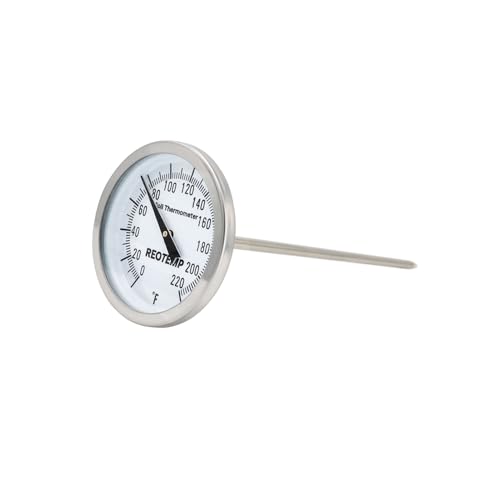
Corrosion Resistant 304 Stainless Steel Case, Bezel and 5" Stem

Easy-to-read green, yellow, and red tick marks for easy monitoring
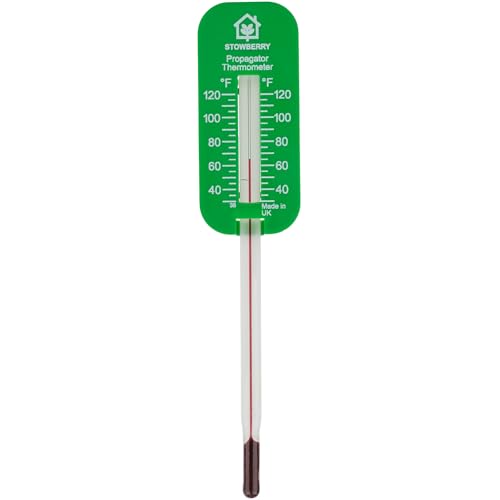
ACCURATE SOIL TEMPERATURE READINGS – Ensure the perfect growing environment for seeds and plants with this greenhouse soil thermometer, designed to give reliable and precise temperature measurements.
Factors Affecting Germination Time
To comprehend how long it takes for a tomato seed to sprout, consider these influencing factors:
- Temperature: The ideal soil temperature for tomato seed germination is around 70-80°F (21-27°C). Cooler temperatures may delay sprouting.
- Moisture: Adequate moisture levels in the soil are crucial for seeds to germinate. Ensure consistent but not waterlogged conditions.
- Light: While light isn’t necessary for germination, once the seedlings emerge, they require sufficient light to grow healthily.
- Seed Quality: High-quality seeds from reputable sources have a higher likelihood of quicker and successful germination.
Typical Germination Timeline
The typical timeline for tomato seed germination varies but generally falls within these stages:
- Day 1-7: Seeds absorb water and swell as they prepare to sprout.
- Day 5-10: Germination begins with tiny roots emerging from the seed.
- Day 10-14: Cotyledons, the first leaves of the plant, appear above the soil surface.
Understanding these factors and timelines can help you nurture your tomato seeds effectively and enjoy a successful growing season.
Preparing for Successful Germination
To ensure successful tomato seed germination, it’s crucial to take the necessary steps to set the stage for optimal growth. Here are some key factors to consider:
Recommended Products

Reliable Results: The VIVOSUN professional heat mat maintains optimal temperatures around 68-86℉ (20-30℃), perfect for Seedling start and cutting propagation; Made from durable PVC material, it's designed to last

IDEAL GERMINATION TEMPERATURE: The BN-LINK seedling heat mat helps maintain temperatures around 70°F to 85°F, the optimal range for seed starting, cutting propagation, and healthy seedling growth—helping you achieve faster germination and higher growth rates.
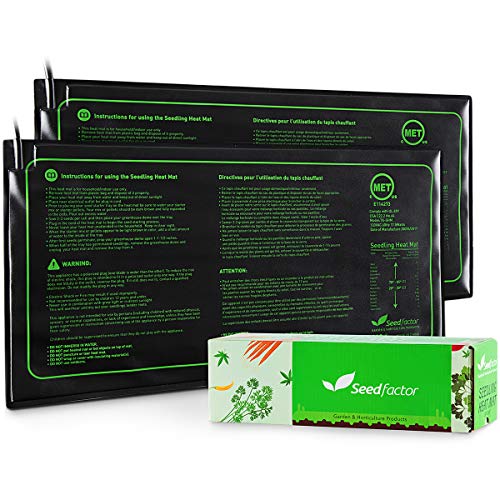
MET safety certified;Comply with UL 499;CSA C22.2 No.64
Choosing the Right Tomato Seeds
Selecting high-quality tomato seeds is essential for successful germination. Look for reputable seed suppliers known for their quality products. Opt for heirloom or hybrid seeds based on your gardening goals and preferences. Ensure that the seeds are fresh, as older seeds may have lower viability rates.
Optimal Soil and Temperature Conditions
Prepare well-draining soil rich in organic matter for your tomato seeds. A soil mix specifically formulated for seed starting can provide the ideal growing medium. Maintain a consistent temperature between 70-80°F (21-27°C) to promote germination. Consider using a heating mat to regulate soil temperature if needed.
By choosing the right tomato seeds and creating optimal soil and temperature conditions, you’ll be on your way to setting up a conducive environment for successful germination.
Common Issues and Solutions
When dealing with tomato seeds that are not germinating, there are a few common issues you might encounter along with some effective solutions to address them.
Dealing With Non-Germinating Seeds
If you find that your tomato seeds are not sprouting as expected, the following issues could be the cause:
- Old or Poor-Quality Seeds: Check the viability of your seeds by performing a simple germination test. Place a few seeds on a damp paper towel in a warm location for a few days to see if they sprout. If they don’t, it’s time to consider purchasing fresh, high-quality seeds from reputable sources.
- Incorrect Planting Depth: Tomato seeds need proper soil coverage to germinate successfully. Ensure you’re planting them at the recommended depth according to the seed packet instructions. Planting too deep or too shallow can hinder germination.
- Suboptimal Temperature: Inconsistent temperature levels can impede seed germination. Maintain a stable temperature range of 70-80°F (21-27°C) for optimal results. Consider using heat mats or placing the seeds in a warm area to create an ideal environment.
Preventing Fungal Diseases
Fungal diseases can pose a threat to germinating tomato seeds, but there are ways to prevent them:
- Proper Air Circulation: Good air circulation around your seed trays is essential for preventing fungal growth. Use fans or ensure adequate ventilation in the growing area to reduce humidity levels and discourage fungal diseases.
- Sterilized Soil and Containers: Before planting tomato seeds, make sure your soil mix and containers are clean and sterilized to minimize the risk of fungal infections. Using sterile equipment reduces the chances of pathogens harming your seeds.
Monitoring Germination Progress
To track the sprouting of your tomato seeds, you’ll need to be vigilant and observant. Here’s how you can monitor the germination progress effectively:
How to Track Seed Sprouting
- Daily Observation: Check your seeds daily for any signs of sprouting.
- Patience is Key: Remember that germination can take anywhere from 5 to 10 days on average.
- Keep Records: Maintain a journal or log to record the date when each seed sprouts.
- Emergence of Cotyledons: Look for the first pair of leaves known as cotyledons emerging from the soil.
- Strong Stems: Healthy seedlings will have sturdy stems that support their growth.
- Vibrant Coloration: The leaves should exhibit a vibrant green color, indicating they’re receiving adequate light.
By following these steps and recognizing these indicators, you can ensure successful germination and nurture robust tomato plants from the very start.
Conclusion
Congratulations on learning about the exciting journey of tomato seed germination! By understanding the crucial factors influencing sprouting, such as temperature and moisture, you’re better equipped to nurture your seeds effectively. Remember, selecting high-quality seeds and providing optimal soil conditions are key to successful germination. If you encounter issues like non-germinating seeds or fungal diseases, don’t worry – solutions like germination tests and proper ventilation can help. Stay patient during the 5 to 10-day waiting period for sprouting, and keep an eye out for those vibrant green cotyledons signaling healthy growth. With these insights, you’re well on your way to cultivating thriving tomato plants from seed to harvest!
Frequently Asked Questions
What factors are crucial for successful tomato seed germination?
Tomato seed germination success depends on optimal temperature, moisture levels, light exposure, and seed quality.
What are common issues with non-germinating tomato seeds?
Common issues include using old or poor-quality seeds, incorrect planting depth, and suboptimal temperature conditions.
How can I address non-germinating tomato seeds?
Perform germination tests on seeds, adjust planting depth as needed, and ensure stable temperature ranges for successful germination.
How do I prevent fungal diseases during tomato seed germination?
Prevent fungal diseases by ensuring proper air circulation, using sterilized soil and containers, and maintaining cleanliness throughout the process.
How can I monitor the progress of tomato seed germination?
Monitor progress by daily observation during the 5 to 10-day period, noting sprouting dates, cotyledon emergence, stem strength, and leaf coloration.
