

Do you ever find yourself eagerly waiting for your homegrown tomatoes, only to be met with slow growth and delays? Picture this: You’ve planted your tomato seeds with excitement, but the progress seems to be taking forever. If you’re nodding along, looking to speed up the growth of your tomato plants, you’re in the right place.
In this article, we’ll explore practical tips and techniques that can help you accelerate the growth of your tomato plants. From optimizing soil conditions to providing adequate sunlight and water, there are simple yet effective strategies you can implement to ensure robust and speedy plant development. By incorporating these methods into your gardening routine, you’ll soon be enjoying a bountiful harvest of delicious tomatoes in no time.
Key Takeaways
- Temperature, watering, nutrients, sunlight, and soil quality are key factors that influence the growth rate of tomato plants.
- Understanding the life cycle stages of tomato plants helps in providing appropriate care for optimal growth.
- Optimizing soil conditions with well-draining soil rich in organic matter is essential for faster plant development.
- Proper watering techniques, including checking soil moisture levels and targeting root watering, promote efficient growth.
- Managing sunlight exposure and maintaining ideal temperatures are crucial for maximizing tomato plant growth speed.
- Using natural growth stimulants and chemical fertilizers judiciously can enhance the growth rate of tomato plants effectively.
Understanding Tomato Plant Growth
Tomato plants are influenced by various factors that impact their growth rate. Understanding these factors and the life cycle of tomato plants is crucial for optimizing their development and ensuring a successful harvest.
Factors Influencing Tomato Growth
Several key factors play a significant role in determining how quickly tomato plants grow:
- Temperature: Tomatoes thrive in warm temperatures between 70-85°F (21-29°C). Cooler temperatures can slow down growth, while excessive heat may stress the plants.
- Watering: Providing consistent moisture is essential for healthy growth. Overwatering can lead to root rot, while underwatering causes stunted growth.
- Nutrients: Tomatoes require essential nutrients like nitrogen, phosphorus, and potassium for optimal growth. Using a balanced fertilizer can promote vigorous plant development.
- Sunlight: Adequate sunlight is crucial for photosynthesis and fruit production. Ensure your tomato plants receive at least 6-8 hours of direct sunlight daily.
- Soil Quality: Well-draining soil rich in organic matter promotes robust root development and overall plant health.
By addressing these factors effectively, you can create an ideal environment for your tomato plants to flourish.
Life Cycle of Tomato Plants
Understanding the life cycle of tomato plants helps you anticipate their growth stages and requirements:
- Germination: The first stage where seeds sprout into seedlings when provided with warmth, moisture, and light.
- Seedling Stage: Young tomato plants develop their first true leaves and require careful watering to establish strong roots.
- Vegetative Growth: During this phase, the plant focuses on leaf production and overall growth before transitioning to flower formation.
- Flowering: Tiny yellow flowers appear on the plant, eventually leading to fruit set if pollination occurs successfully.
- Fruit Development: Once pollinated, flowers turn into green fruits that gradually ripen into juicy tomatoes ready for harvesting.
Understanding these stages allows you to support your tomato plants appropriately throughout their life cycle for optimal growth speed and yield production.
Optimizing Soil Conditions
To ensure your tomato plants grow faster, optimizing soil conditions is crucial. Here are essential tips to enhance your soil for maximum plant growth:
Recommended Products

OUTDOOR POTTING SOIL: Miracle-Gro Organic Outdoor Potting Mix contains a quick-release natural plant fertilizer and also feeds plants for up to 2 months

OUTDOOR POTTING SOIL: Miracle-Gro Organic Outdoor Potting Mix contains a quick-release natural plant fertilizer and also feeds plants for up to 2 months

Choosing the Right Soil Type
Selecting the appropriate soil type is vital for the healthy growth of your tomato plants. Opt for well-draining soil that’s rich in organic matter. A mix of loamy soil with compost works best as it provides good aeration and retains moisture effectively.
Enhancing Soil with Nutrients
Enriching your soil with essential nutrients will significantly boost the growth rate of your tomato plants. Consider adding organic fertilizers like compost, aged manure, or balanced granular fertilizer rich in nitrogen, phosphorus, and potassium. These nutrients promote strong root development and vigorous plant growth.
By carefully selecting the right soil type and enriching it with necessary nutrients, you’ll create an optimal environment for your tomato plants to thrive and grow rapidly.
Watering Techniques for Faster Growth
To ensure your tomato plants grow faster, it’s crucial to implement proper watering techniques. Here are some essential tips to help you optimize the watering process:
Determining Water Needs
Understand that the water requirements of tomato plants vary depending on factors like weather conditions, plant size, and soil moisture levels. One way to determine if your plants need watering is by checking the soil moisture level. Stick your finger into the soil up to about an inch deep; if it feels dry, it’s time to water. Overwatering can lead to root rot, so it’s important not to water excessively.
Tips for Efficient Watering
When watering your tomato plants, aim for the roots rather than spraying the entire plant. This helps deliver water directly where it’s needed most and reduces evaporation loss. Consider using a drip irrigation system or a soaker hose to ensure efficient and consistent watering. Additionally, watering in the morning allows the plants to absorb moisture before the heat of the day kicks in, reducing stress on them during hot periods.
By following these watering techniques and adjusting them based on your specific growing conditions, you can promote faster growth in your tomato plants and increase your chances of a bountiful harvest.
Sunlight and Temperature Control
To ensure your tomato plants grow faster, it’s crucial to manage sunlight exposure and maintain optimal temperatures. Here are some essential tips for maximizing growth:
Ideal Sunlight Conditions
- Direct Sunlight: Tomato plants thrive in full sun, so aim for at least 6-8 hours of direct sunlight daily.
- Avoid Shade: Position your plants where they can receive ample sunlight without being shaded by buildings or trees.
- Morning Sun: Morning sunlight is particularly beneficial as it helps dry any dew on the leaves, reducing the risk of diseases.
- Even Distribution: Rotate pots or containers regularly to ensure all sides of the plant receive equal sunlight.
- Warmth Requirements: Tomatoes prefer temperatures between 65°F and 85°F (18°C–29°C) for optimal growth.
- Protection from Extremes: Shield plants from excessive heat by providing shade during the hottest parts of the day.
- Frost Protection: If temperatures drop below 50°F (10°C), consider covering your plants with a frost cloth to prevent damage.
- Consistent Temperature: Fluctuating temperatures can stress plants; try to maintain a consistent temperature range for steady growth.
Using Growth Enhancers
To accelerate the growth of your tomato plants, consider utilizing growth enhancers that can provide a boost to their development. Here are some strategies you can employ:
Recommended Products

FEEDS UP TO 3 MONTHS: Miracle-Gro Shake 'N Feed Tomato, Fruit & Vegetable Plant Food is a plant fertilizer that feeds plants for up to 3 months, and nourishes above and below the soil
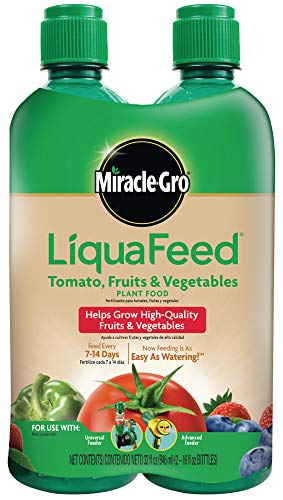
Miracle-Gro LiquaFeed Tomato, Fruits and Vegetables Plant Food helps grow high-quality fruits and vegetables

VEGETABLE FERTILIZER: Get the most from your vegetable garden with Miracle-Gro Water Soluble Tomato Plant Food, a water soluble vegetable garden fertilizer that's specially formulated to help you grow more bountiful vegetables (vs. unfed plants)
Natural Growth Stimulants
When looking to enhance the growth of your tomato plants naturally, options like compost tea, seaweed extract, and fish emulsion can be beneficial. These natural stimulants are rich in nutrients that promote plant growth without the use of synthetic chemicals. Incorporating these into your plant care routine can help improve soil health and increase nutrient availability for your tomatoes.
When to Use Chemical Fertilizers
In certain situations where natural growth stimulants may not suffice, using chemical fertilizers can provide a quick nutrient boost to support the rapid growth of tomato plants. It’s essential to use these fertilizers sparingly and according to the manufacturer’s instructions to prevent over-fertilization, which could harm your plants. Consider applying chemical fertilizers during periods of high plant demand or when specific nutrient deficiencies are identified through soil testing.
By incorporating natural growth stimulants and judiciously using chemical fertilizers when necessary, you can effectively enhance the growth rate of your tomato plants and ensure they thrive throughout their growing season.
Common Challenges in Growing Tomatoes
When growing tomatoes, you may encounter some common challenges that can affect the health and yield of your plants. Here are tips to address these issues effectively.
Pest Control Solutions
To protect your tomato plants from pests, consider natural pest control methods. For instance, planting companion herbs like basil or marigold can repel insects that harm tomato plants. Additionally, regularly inspect your plants for signs of infestation and handpick any pests you find. If the pest problem persists, you can use organic pesticides like neem oil or insecticidal soap as a last resort.
Disease Prevention Tips
Preventing diseases is crucial for successful tomato plant growth. To minimize the risk of infections, ensure proper air circulation around your plants by spacing them adequately. Water your tomatoes at the base to avoid wetting the foliage, which can lead to fungal diseases. Consider using disease-resistant tomato varieties and sanitize gardening tools to prevent the spread of pathogens between plants.
By implementing these pest control solutions and disease prevention tips, you can overcome common challenges in growing tomatoes and promote healthier, faster plant growth.
Conclusion
By implementing the strategies discussed in this article, you can accelerate the growth of your tomato plants and overcome common challenges. Optimizing soil conditions, managing sunlight exposure, and using natural growth enhancers are key to promoting healthier plant development. Additionally, incorporating pest control solutions like companion herbs and organic pesticides, along with disease prevention techniques such as proper air circulation and watering practices, will help you cultivate robust tomato plants. Remember to choose disease-resistant varieties for added protection. With these tips in mind, you’re well-equipped to enhance your homegrown tomato harvest and enjoy a bountiful yield. Happy gardening!
Frequently Asked Questions
How can I optimize soil conditions for my homegrown tomato plants?
To optimize soil conditions, ensure well-draining soil rich in organic matter. Maintain a pH level between 6.0 and 6.8 by adding lime or sulfur if needed.
What is the best way to water my tomato plants?
Water consistently, ensuring the soil remains evenly moist but not waterlogged. Aim to water at the base of the plant in the morning to prevent fungal diseases.
How much sunlight do tomato plants need?
Tomato plants require at least 6-8 hours of direct sunlight daily for optimal growth and fruit production.
What temperature range is ideal for growing tomatoes?
Maintain temperatures between 65°F and 85°F during the day and above 55°F at night for healthy tomato plant growth.
Should I use growth enhancers on my tomato plants?
Consider using natural growth enhancers sparingly, such as compost tea or seaweed extract, to promote healthy plant development.
How can I control pests in my tomato garden organically?
Implement companion planting with herbs like basil and marigold, use organic pesticides like neem oil or insecticidal soap, and handpick pests when possible.
What are some tips for preventing diseases in tomato plants?
Ensure proper air circulation around plants, water at the base to avoid splashing foliage, choose disease-resistant varieties, and rotate crops yearly to prevent disease buildup.
