

Ever wondered why your tomato plant’s leaves are turning brown? Picture this: you’ve been carefully nurturing your tomato plants, eagerly awaiting a bountiful harvest. Yet, instead of vibrant green leaves, you notice unsightly brown spots creeping in. Frustrating, isn’t it?
Key Takeaways
- Insufficient watering and nutrient deficiencies can lead to brown leaves on tomato plants.
- Extreme temperatures, especially heat stress, can cause leaf browning; provide shade during hot days.
- Pests like aphids, spider mites, whiteflies, and diseases like early blight or late blight can also contribute to brown leaves.
- Environmental factors such as sunlight exposure and soil quality significantly impact leaf health; monitor sun exposure and test soil pH.
- Proper watering techniques (deep but infrequent) and balanced fertilization practices are crucial for healthy tomato plants; avoid over-fertilizing.
Common Causes of Brown Leaves on Tomato Plants
If you notice your tomato plant’s leaves turning brown, several factors could be at play. Understanding the common causes can help you address the issue promptly and ensure a healthy harvest.
Insufficient Watering
Inconsistent watering practices can lead to brown leaves on your tomato plants. When the soil is too dry or overly saturated, it affects the plant’s ability to absorb nutrients properly, resulting in browning of the leaves. Ensure you water your tomato plants consistently and adjust based on their specific needs.
Nutrient Deficiencies
Brown leaves may also indicate nutrient deficiencies in your tomato plants. Lack of essential nutrients like nitrogen, potassium, or magnesium can manifest as discoloration in the leaves. Consider using a balanced fertilizer to provide your plants with the necessary nutrients for optimal growth and leaf health.
Exposure to Extreme Temperatures
Exposing your tomato plants to extreme temperatures, especially heat stress, can cause their leaves to turn brown. High temperatures can impact the plant’s physiological processes and lead to leaf damage. It’s essential to provide shade during hot days and protect your plants from temperature fluctuations to prevent browning of the leaves.
Addressing these common causes promptly can help you maintain healthy tomato plants with vibrant green leaves, ensuring a successful growing season.
Pests and Diseases Affecting Tomato Plants
When it comes to your tomato plants, pests and diseases can be a real nuisance. Here’s a look at some common culprits that could be causing those brown leaves:
Recommended Products

PLANT DISEASE CONTROL: Natria Neem Oil acts as an insecticide and fungicide in one convenient spray; Ready-to-use trigger sprayer requires no mixing

3-IN-1 PLANT CARE: 3-In-1 Insect, Disease & Mite Control is insect control, disease control, and mite control all in one; Systemic protection lasts up to 30 days

READY-TO-USE NATURAL SOLUTION - Earth's Ally 3 in 1 Plant Spray is a multi-purpose pest and fungus spray that works as an insecticide, miticide and fungicide. The formula effectively controls pests and common plant diseases with a synergistic blend of botanical oils.
Types of Pests
- Aphids: These tiny insects love to feast on the sap of your tomato plants, causing leaves to curl and turn yellow or brown.
- Spider Mites: These minuscule creatures can create fine webbing on the undersides of leaves, leading to discoloration and browning.
- Whiteflies: Whitefly infestations can weaken your plants by sucking out vital nutrients, resulting in stunted growth and brown spots on leaves.
- Cutworms: These caterpillars feed on young seedlings at soil level, causing wilting and browning of lower leaves.
- Early Blight: This fungal disease often starts as small dark spots on older leaves which gradually enlarge, turning them yellow then brown.
- Late Blight: Characterized by dark lesions with a water-soaked appearance, late blight can cause rapid browning of foliage even in wet conditions.
- Septoria Leaf Spot: Identified by circular lesions with dark borders, this disease causes leaf tissue between veins to turn brown or gray.
- Blossom End Rot: While technically not a disease but a calcium deficiency disorder, blossom end rot results in dark, sunken areas at the bottom of tomatoes.
Environmental and Cultural Factors
When it comes to your tomato plant’s health, environmental and cultural factors play a significant role in determining the condition of its leaves. Let’s delve into how sunlight exposure and soil conditions can impact the color and vitality of your tomato plant leaves.
Recommended Products

Trusted Since 2015: Become one of the many plant lovers who rely on the proven accuracy of XLUX. Established in 2015, our soil moisture meter has earned over 60,000+ verified ratings for its consistent performance. While many many newer brands come and go, we provide the long-term reliability and quality that American households have trusted for over a decade.

This soil moisture meter helps to monitoring plants soil moisture level in real time and telling you how moist, wet or dry the soil is. No over-watering, plants grow from yellow to green, you grow into a garden professional
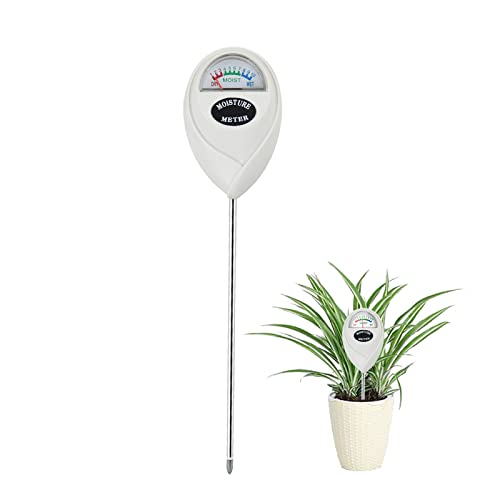
【SAVE YOUR PLANTS】: Over watering can cause problems with your plants or even kill them. This soil moisture meter helps you know the soil is dry, moist or wet.No more over watering!
Sunlight and Shade Requirements
Ensuring that your tomato plants receive adequate sunlight is crucial for their overall well-being. Tomatoes thrive in full sun, needing at least 6-8 hours of direct sunlight daily to flourish. Insufficient sunlight exposure can lead to stunted growth and brown leaves due to reduced photosynthesis. On the other hand, excessive heat from prolonged sun exposure can scorch the leaves, causing them to turn brown or develop dry patches.
To address this issue:
- Monitor Sun Exposure: Check your garden throughout the day to ensure consistent sunlight on your tomato plants.
- Provide Shade: If your plants are getting too much direct sun, consider using shade cloth or relocating them to a spot with partial shade.
- Rotate Plant Placement: Rotate your tomato plants periodically to ensure even light distribution and prevent specific areas from becoming overexposed.
Soil Conditions
The quality of the soil in which your tomato plants are grown significantly impacts their leaf health. Brown leaves may indicate underlying issues related to soil composition, drainage, or nutrient availability. Poor soil conditions can hinder proper nutrient uptake by the plant roots, leading to discoloration and browning of leaves.
To optimize soil conditions:
- Test Soil pH: Conduct a soil test to determine if the pH levels are suitable for tomatoes (around 6.0-6.8).
- Improve Drainage: Ensure proper drainage by amending heavy clay soils with organic matter like compost or peat moss.
- Mulch Application: Apply mulch around the base of your tomato plants to regulate soil temperature, retain moisture, and reduce weed competition.
By addressing these environmental factors such as sunlight exposure and soil quality, you can promote healthy leaf growth in your tomato plants and enjoy a bountiful harvest.
Preventive Measures and Remedies
To ensure your tomato plants stay healthy and vibrant, here are some preventive measures and remedies you can implement.
Proper Watering Techniques
When it comes to watering your tomato plants, consistency is key. Make sure to water the plants deeply but infrequently. Aim to keep the soil consistently moist but not waterlogged. Overwatering can lead to root rot, while underwatering can cause stress and brown leaves.
Monitor the soil moisture by checking the top few inches of soil regularly. Water early in the day to allow foliage to dry before evening, reducing the risk of fungal diseases. Consider using a drip irrigation system or soaker hose for efficient and targeted watering.
Appropriate Fertilization Practices
Proper fertilization is essential for healthy tomato plants. Choose a balanced fertilizer with an NPK ratio suitable for tomatoes, such as 10-10-10 or 5-10-10. Avoid over-fertilizing, as this can result in nutrient imbalances and leaf burn.
Apply fertilizer according to package instructions or based on a soil test for precise nutrient requirements. Consider using organic fertilizers like compost or manure for slow-release nutrients that benefit both the plant and soil health.
By following these watering and fertilization practices, you can help prevent browning of tomato plant leaves and promote robust growth throughout the season.
Conclusion
Now that you’ve learned about the various factors that can cause your tomato plant leaves to turn brown, you’re equipped with the knowledge needed to address this issue effectively. By implementing proper watering practices, ensuring adequate sunlight exposure, and maintaining soil quality, you can promote healthy leaf color and overall plant vitality. Remember to monitor soil moisture levels regularly, provide balanced fertilization, and take prompt action if pests or diseases are detected. With these preventive measures in place, you’ll be well on your way to enjoying vibrant and thriving tomato plants in your garden. Happy gardening!
Frequently Asked Questions
Why are my tomato plant leaves turning brown?
Tomato plant leaves may turn brown due to overwatering, nutrient deficiencies, pests like spider mites, or diseases such as early blight. It is essential to identify the specific cause promptly for effective treatment.
How does sunlight exposure affect tomato plant leaf color?
Insufficient sunlight can lead to pale or yellowish leaves in tomato plants. Adequate sunlight is crucial for photosynthesis and overall plant health, ensuring vibrant green foliage.
What role do soil conditions play in maintaining healthy tomato plant leaves?
Soil quality directly impacts nutrient uptake and overall plant vigor. Proper soil drainage and aeration are vital for preventing root rot and nutrient deficiencies that can manifest as browning leaves.
What are some preventive measures for keeping tomato plant leaves healthy?
Regularly monitor soil moisture levels, water consistently but avoid overwatering, and use balanced fertilization practices to provide essential nutrients. These steps help prevent leaf browning and promote robust growth in tomato plants.
