

Growing your own broccoli is a great way to get the freshest and most nutritious vegetables for your family
With its high levels of vitamins A, C and K, as well as being an excellent source of fiber, broccoli is a great addition to any garden. But growing broccoli can be tricky. Knowing the right soil, temperature and maintenance techniques can help you achieve success in harvesting this amazing vegetable.
This article will provide you with all the information you need to know about growing broccoli in your garden. We will cover topics such as soil preparation, seed selection, temperature requirements and harvesting techniques. With this knowledge, you will be able to grow delicious broccoli that is packed with nutrients and flavor.
So let’s get started!To plant broccoli, begin by selecting a spot in your garden that receives plenty of sunlight. Broccoli prefers soil with a pH between 6.0 and 7.0 and a good amount of organic matter. Plant your broccoli seeds about 1/4 inch deep and about 18 inches apart. Water thoroughly and keep the soil moist but not soggy. Thin out seedlings when they are 2 to 4 inches tall to 12 to 18 inches apart, depending on the variety you have chosen.
Choosing a Location for Growing Broccoli
When selecting a location for growing broccoli, it is important to consider the amount of sun and shade that the plant will receive. The ideal location for growing broccoli should receive at least 6-8 hours of direct sunlight each day, especially in hot climates. If the area does not receive enough sunlight, then you may need to supplement with additional light sources such as fluorescent bulbs or LED lights. Additionally, it is important to consider soil conditions when selecting a location to grow broccoli. The soil should be well-draining and rich in organic matter, and even have a slightly acidic pH balance. If your soil is lacking in nutrients, you can amend it with compost or other organic materials before planting.
It is also important to choose a location that is sheltered from strong winds, as this can damage the delicate stalks of broccoli. If possible, find an area that has some natural wind breaks such as trees or shrubs to help protect the plants from strong winds. Lastly, it is important to select a location that has easy access for harvesting and maintenance. This will make it easier to care for your crop and ensure that you can harvest your broccoli at its peak freshness.
Recommended Products
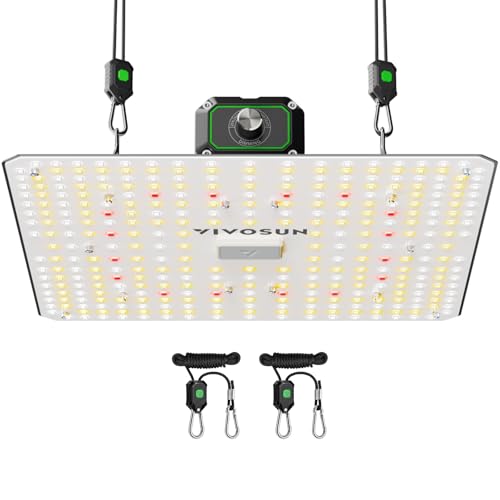
Optimized Full Spectrum: With white, blue, red and far-red LEDs (3000K, 5000K, 660nm and 730nm), this grow light provides full-spectrum illumination to support photosynthesis from seedling to harvest; It speeds up flowering time and increases yields

Ideal for Seedling Growth: Vivosun T5 full-spectrum grow lights provide sun-like care, helping seedlings grow faster and stronger; Perfect for indoor room lighting for seedlings, vegetables, or flowers in grow tents, greenhouses, or any growing space

Dual Charging Modes:The upgraded solar plant growth light offers two charging options: solar charging and USB-C charging (cable included). It ensures plants receive ample light even on cloudy days.
How Much Sun Does Broccoli Need?
Broccoli is a nutritious vegetable that is packed with vitamins and minerals. It can be grown in a variety of climates, but it does need at least six hours of direct sunlight each day to thrive. If planted in an area with less than six hours of direct sunlight, it will not produce as much as it would with the proper amount of sun.
When planting broccoli, make sure that the area receives at least six hours of direct sunlight each day. If possible, try to provide more sun than this to ensure optimal growth and production. It is important to note that the amount of sunlight needed may vary depending on the specific variety and location.
In addition to providing adequate sun, ensure that the soil is well-draining and nutrient-rich. Fertilize broccoli plants every few weeks with a balanced fertilizer to ensure they receive all the essential nutrients they need for growth and production. Also, water broccoli plants regularly—about 1 inch per week—to keep the soil moist but not soggy.
Overall, broccoli needs at least six hours of direct sunlight each day for optimal growth and production. Make sure you provide plenty of nutrients and water to your plants as well for best results. With these tips in mind, you’ll have delicious homegrown broccoli in no time!
Soil Requirements for Growing Broccoli
Growing broccoli requires well-drained, nutrient-rich soil that is slightly acidic, with a pH between 6.0 and 7.0. The ideal soil should be made up of a combination of sand, silt, and clay to ensure proper drainage. Adding organic matter to the soil, such as compost or aged manure, helps to improve the quality of the soil and provide essential nutrients for healthy plant growth. To ensure adequate nutrition for broccoli plants, it is important to fertilize regularly throughout the growing season with a balanced fertilizer or one specifically formulated for brassicas. It is also beneficial to periodically test the soil’s pH levels and nutrient content to ensure optimal growing conditions.
When planting broccoli in a garden bed, it is best to start with freshly tilled soil that has been amended with compost or manure. Raised beds are an ideal option for growing broccoli because they allow for better drainage and more control over soil composition than traditional garden beds. If planting in containers or raised beds, it is important to use a potting mix specifically designed for vegetables as this will contain higher levels of nutrients than standard potting mixes.
Fertilizing Broccoli
Fertilizing your broccoli plants is an important step in ensuring healthy and productive plants. The best time to fertilize your broccoli plants is when they are actively growing and producing new leaves. A slow-release fertilizer, such as a 10-10-10 or 12-12-12 formula, should be applied according to the manufacturer’s directions. Avoid over-fertilizing, which can cause the foliage to become sparse and the heads to become small. It is also important to keep in mind that broccoli needs extra phosphorus for good root development, so look for a fertilizer that contains at least 5% phosphorus.
Watering Broccoli
Watering your broccoli regularly is essential for healthy growth and development. Keep soil evenly moist but not soggy by providing 1 inch of water per week either with irrigation or rainfall. Water deeply and avoid frequent shallow watering as this can lead to shallow roots and nutrient deficiencies. To conserve moisture, use a thick layer of mulch around the plants; this will also help suppress weeds and maintain soil temperatures during hot weather. Avoid overhead watering as this can encourage disease problems on the leaves.
Pest Control for Growing Broccoli
Broccoli is a nutritious vegetable that is easy to grow. However, there are many pests that can cause damage to your crop. To ensure a successful harvest, it is important to implement an effective pest control program.
The most common pests that affect broccoli are caterpillars, aphids, and flea beetles. These pests can feed on the leaves and stems of broccoli plants, causing the leaves to become distorted and deformed. To control these pests, it is important to keep your garden free of weeds and debris where they could hide or find food. Hand-picking caterpillars early in the season can also help prevent them from becoming a problem.
In addition to physical removal of pests, chemical controls can be used if necessary. Insecticides such as pyrethroids or neem oil can be used to control caterpillars and aphids on broccoli plants. It is important to read the label carefully and apply insecticides following all safety instructions.
It is also important to practice good cultural practices when growing broccoli in order to reduce pest problems. This includes rotating crops so that the same family of vegetables are not planted in the same area each year, and avoiding over-fertilizing which can lead to excessive plant growth which can attract pests. Additionally, keeping your garden free of debris will also help reduce pest problems by not providing any hiding places for them or food sources they may feed on.
By following these tips and implementing an effective pest control program, you should have success in growing broccoli in your garden!
Caring for Broccoli in the Garden
Caring for broccoli in the garden is a relatively easy task that can be done with minimal effort. To ensure a successful harvest, it is important to provide ample water and nutrients to the plants. Proper fertilization and soil preparation should be done prior to planting, and regular watering during the growing season is essential.
It is also important to provide adequate spacing between plants to ensure they get enough sun and air circulation. Broccoli prefers fertile, well-draining soil with a pH between 6.0 and 7.5, so it is important to test the soil before planting. Adding compost or other organic matter can help improve soil fertility and drainage.
Weeds should be removed regularly as they can compete with broccoli plants for water and nutrients. Mulching around the plants can help keep weeds at bay and maintain soil moisture levels. Regularly monitoring for pests such as aphids, caterpillars, slugs, and flea beetles is also important as they can affect plant health if left unchecked.
Harvesting broccoli should occur when the heads are firm but not yet fully mature, usually about 70-80 days after planting. The heads will begin to loosen once mature, so it’s important to harvest promptly before this occurs. Once harvested, store fresh broccoli in an airtight container in the refrigerator for up to one week for best results.
With just a few simple steps, you can easily grow healthy broccoli plants in your garden!
Recommended Products

🌿 Complete 50FT Irrigation Kit – Ready to Install Includes 50FT tubing, 12 brass misting nozzles, 12 three-port connectors, faucet connector, 2 end plugs, 20 hose buckles & 10 cable ties—everything needed for a full garden setup.

Includes: 1 lb. Organic fertilizer, 1 lb. Organic dolomite, 4 casters, and 2 Black/White reversible mulch covers

Award-Winning, Maintenance Free Gardening System
Harvesting Homegrown Broccoli
Harvesting homegrown broccoli can be a rewarding experience. Broccoli can be harvested when the heads are firm, tight and dark green in color. Start by cutting the main head off the plant about 4-6 inches down from the top with a sharp knife or garden shears. If possible, try to leave some of the leaves and stem attached to the head. This will help keep the broccoli fresh longer. After harvesting the main head, you can also harvest side shoots if they are large enough. Side shoots will continue to grow until frost and can be harvested multiple times throughout the season.
Storing Homegrown Broccoli
Once harvested, broccoli should be stored at temperatures between 32 and 41 degrees Fahrenheit (0-5 degrees Celsius). Unwashed broccoli should be stored in an airtight container or plastic bag in the refrigerator for up to one week. You can also blanch and freeze homegrown broccoli for longer storage – simply blanch for one minute in boiling water, then cool quickly in cold water before freezing. When storing homegrown broccoli, it is important to keep it away from fruits that produce ethylene gas, such as apples and bananas, as this gas will cause it to spoil more quickly.
Conclusion
Growing broccoli is a rewarding experience. With the right fertilization, watering and care, you can have delicious and nutritious broccoli from your own garden in no time. Broccoli grows best in cool temperatures, so it is important to choose the right variety for your area and to time your planting accordingly. Be sure to keep your broccoli well-fed and watered, and to remove any yellowing or dead leaves. Finally, harvest the broccoli heads when their buds are tight and before the florets start to open. With proper maintenance and attention, you can enjoy a fresh supply of delicious home-grown broccoli all season long!
Gardening provides a great opportunity to get outside while growing healthy food for you and your family. Broccoli is a hardy plant that will provide your garden with plenty of benefits. With some basic understanding of its needs, you can be on your way to growing great-tasting broccoli!
