

Growing broccoli in the garden can be a rewarding and delicious experience. But there is one key question that many gardeners have: how far apart do you grow broccoli plants? Knowing this information can be the difference between a healthy, abundant harvest and a sparsely populated, unsuccessful one.
In this article, we will discuss the optimal spacing for growing broccoli in order to get the best results. We will also address other important considerations such as soil conditions, climate, and more. With this information in hand, you can rest assured that your broccoli plants are getting the best care possible and will produce a bountiful harvest.To plant broccoli, begin by preparing the soil by mixing in organic compost. Next, sow the seeds or transplants in an area that receives full sunlight. Make sure to space them 18 inches apart and water them thoroughly. Add a layer of mulch around the plants to help retain moisture. Broccoli should be ready to harvest within 65 to 75 days.
What is the Best Soil for Growing Broccoli?
Broccoli is a nutritious and delicious vegetable that can be easily grown in your backyard garden. To ensure a healthy crop, it is important to select the right soil for growing broccoli. The ideal soil for growing broccoli should be well-draining, light, and rich in organic matter.
The best soil pH level for growing broccoli is 6.0 – 7.5, so it is important to test the soil before planting to ensure that it is within this range. Adding compost or other organic matter can help improve drainage and increase fertility. Broccoli prefers soils high in nitrogen, so adding compost or manure can help provide an additional boost of nutrients to the soil.
It’s also important to avoid overly dry or overly wet soils when growing broccoli as either of these conditions can lead to poor quality heads and an increased risk of disease. If your soil tends to be on the dry side, adding some extra organic material can help improve moisture retention and keep your plants healthier during hot summer months.
Overall, providing your broccoli plants with well-draining, light soils high in organic matter with a pH level between 6.0 – 7.5 will help ensure a bountiful harvest of nutritious and delicious heads of broccoli!
When is the Right Time to Plant Broccoli?
The ideal time to plant broccoli is when temperatures are between 45 and 85°F and the soil temperature is at least 60°F. Planting broccoli in cool soil will result in poor germination and slow growth. Temperatures that are too hot can also cause the broccoli heads to turn yellow and become bitter. The best time to plant broccoli is typically around two weeks before your last frost date in the spring. This will give you plenty of time for the plants to mature before any possible late frosts occur.
It’s important to remember that when temperatures exceed 85°F, broccoli plants will start to bolt or flower prematurely. If you live in an area where temperatures exceed 85°F regularly, it’s best to wait until late summer or early fall when temperatures are cooler and plant your broccoli then. You can also consider planting varieties that are heat tolerant like De Cicco Broccoli or Calabrese Broccoli.
If you live in an area with short growing seasons, you can start your seeds indoors four to six weeks before your last frost date and transplant them outdoors once they have established a strong root system. Another option is to use a floating row cover as soon as you transplant your seedlings outdoors so that any sudden frosts don’t damage them.
Keep in mind that broccoli takes about 60 days from planting until harvest for most varieties, so make sure you plan accordingly if you want a successful harvest!
How Much Water Does Broccoli Need?
Broccoli is a nutrient-dense vegetable that is an excellent addition to any diet. It’s packed with essential vitamins and minerals and provides lots of fiber, which helps to promote digestive health. However, in order to get the most out of its nutritional benefits, broccoli needs to be grown properly, which means it needs the right amount of water.
Too little water can lead to stunted growth and poor yields, while too much water can cause root rot and other diseases. When it comes to watering broccoli, the key is to provide just enough moisture so that the soil remains consistently moist but not soggy.
In general, broccoli plants need about an inch of water per week during the growing season. This can come from rainfall or supplemental irrigation. If you’re using a sprinkler system for watering your garden, aim for about 15 minutes twice per week on average. If you’re hand-watering your plants with a hose or watering can, give them a good long soak twice per week so that the soil is saturated down at least 6-8 inches deep.
Be sure to check the soil regularly for moisture levels before watering your broccoli plants. You don’t want the soil to be bone dry or soggy – it should be moist but not wet. To check for moisture levels, stick your finger into the soil up to your first knuckle and feel around for dampness. If there’s no moisture present at all then it’s time to water your plants; if there’s still moisture present then you don’t need to water yet.
By following these simple guidelines you can ensure that your broccoli plants get just enough water so they can thrive and produce delicious heads of broccoli throughout the season!
Recommended Products
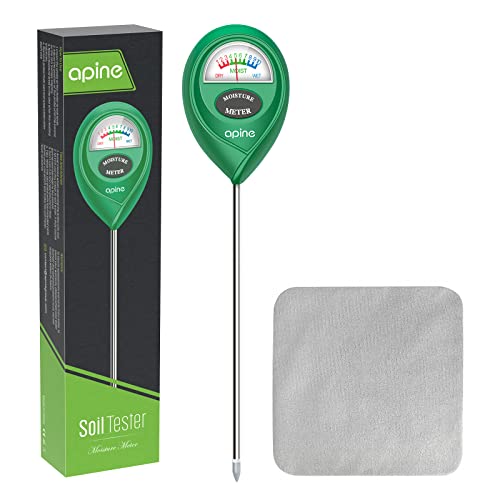
Quick Measurement:Just insert the probe of the plant water meter into the soil about two to four inches,wait a few seconds,you can get the soil moisture immediately.The color division of the dial is simple and clear,and the elderly can easily use it

Accurate Soil Moisture Detection: The XLUX Soil Moisture Meter can tell you if the soil deep inside your pot or garden is dry, moist or wet; whereas your eyes and fingers can only determine the moisture level of the soil surface. The probe is 5.5 inches (14 cm) longer than regular styles, allowing it to measure the soil moisture at the bottom of larger and deeper flower pots.
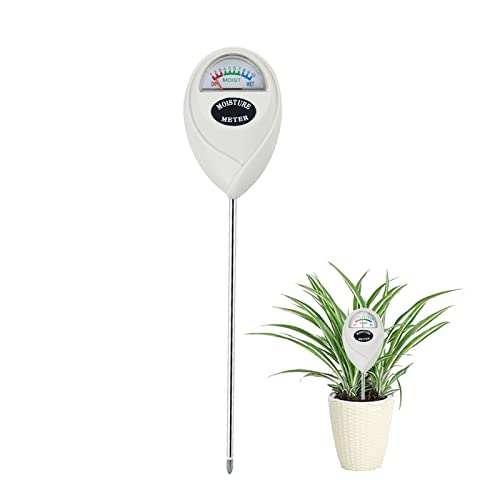
【SAVE YOUR PLANTS】: Over watering can cause problems with your plants or even kill them. This soil moisture meter helps you know the soil is dry, moist or wet.No more over watering!
How Much Sun Does Broccoli Need?
Broccoli is a nutrient-packed vegetable that is part of the cabbage family. It’s well known for its health benefits and versatility in cooking. To ensure your broccoli grows to its fullest potential, it’s important to understand how much sun it needs to thrive.
In general, broccoli needs at least six hours of sunlight each day to grow properly and produce a good harvest. If you live in an area where there is less than six hours of sunlight per day, you may need to supplement with additional lighting or consider growing in a greenhouse.
Broccoli prefers full sun and warm temperatures, so it’s best grown outdoors during the spring and summer months. If you live in an area with mild winters, you can also grow broccoli year-round. However, if temperatures dip too low for too long, it can cause the plant to go into dormancy or die off entirely.
When it comes to water needs, broccoli prefers moist soil but not overly saturated soil. Water your broccoli about twice a week or when the top inch of soil begins to dry out. You can also use mulch around the base of your plants to help retain moisture throughout the day.
Overall, broccoli is a fairly easy vegetable to grow as long as you give it enough sunlight and water. With proper care and attention, your plants should provide you with plenty of delicious homegrown produce!
What Fertilizer is Best for Growing Broccoli?
When it comes to growing broccoli, finding the right fertilizer is essential to achieving success. The best fertilizer for growing broccoli should be a balanced fertilizer that contains a mixture of nitrogen, phosphorus, and potassium. Nitrogen helps promote healthy leaf and stem growth, while phosphorus encourages strong root development and potassium helps regulate water uptake and promote overall plant health. Additionally, look for fertilizers that contain trace elements such as iron and magnesium to provide additional nutrition for your plants.
When applying fertilizer to your broccoli plants, it’s important to use the correct amount. Too much fertilizer can cause leaf burn or other damage to your plants, so it’s best to use a light hand when applying fertilizer. Additionally, soil pH should be tested before applying fertilizer in order to determine the ideal balance of nutrients for your particular soil type.
Organic fertilizers are also an excellent choice for growing broccoli as they are natural and contain no synthetic chemicals or additives. Organic fertilizers release their nutrients slowly over time which is beneficial for sustained plant growth and health. Popular organic fertilizers include compost, manure, bone meal and fish emulsion.
Overall, finding the right fertilizer for your broccoli plants is essential in order to ensure successful growth and harvest yields. Look for balanced fertilizers with a mixture of nitrogen, phosphorus, and potassium as well as trace elements such as iron and magnesium in order to provide your plants with all the necessary nutrients they need to thrive. Additionally consider using organic fertilizers for a more natural approach that will promote healthy sustained growth over time.
Recommended Products

Balanced All Purpose NPK Fertilizer – Complete NPK fertilizer designed to deliver essential nutrients for overall plant health and development.
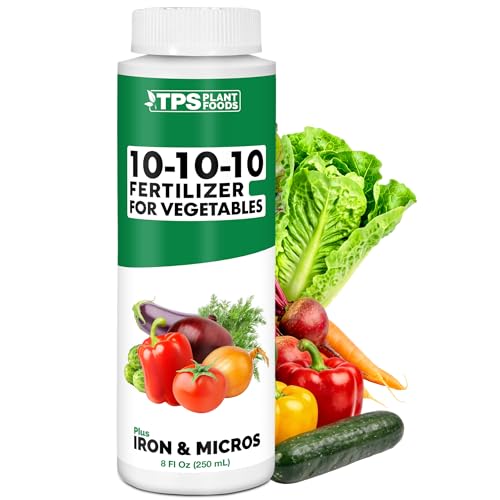
Supports Roots, Foliage & Yield – Helps encourage strong roots, healthy leaves, and productive harvests.

BALANCED 10-10-10 FORMULA: Delivers equal parts nitrogen, phosphorus, and potassium for all-purpose plant nutrition supporting roots, growth, and harvests.
How Far Apart Should You Space Broccoli Plants
Growing broccoli in a home garden can be a rewarding experience. Broccoli plants require a certain amount of space to grow properly, so it’s important to know how far apart you should space them. Generally, broccoli plants should be spaced 18-24 inches apart. This will give each plant enough room to spread out and get enough light and nutrients from the soil. If the plants are placed too close together, they may compete for resources, resulting in smaller heads of broccoli. Planting too far apart can also lead to yield loss due to weeds or other pests that can invade the space between plants.
When planting multiple rows of broccoli, it is important to leave at least two feet between each row. This allows room for easy access when tending to your plants and harvesting the heads of broccoli. Aisles between rows should also be wide enough so that you can easily reach every plant without stepping on any of them or knocking over your garden stakes or cages.
You should also consider spacing based on the type of broccoli you are planting. Heirloom varieties tend to have larger heads of broccoli and need more space than hybrid varieties that produce smaller heads. It is best to read the seed packet or label before planting if you’re not sure what type you have or how much space each seed variety needs.
Finally, keep in mind that all vegetables need adequate sunlight for maximum growth and productivity. If your garden area does not get full sun all day long, then you may need to spread out your broccoli plants even more in order to get enough sun exposure for each plant. Planting in raised beds can also help with drainage and improve soil quality which can result in bigger heads of broccoli!
Recommended Products

Precise Planting Measurement: The foldable plant ruler is designed to provide precise measurements for seed spacing, ensuring optimal growth for a variety of vegetables including carrots, tomatoes, peas, potatoes, and cabbage.

Precise Spacing for Better Growth - This seed spacers planting tool helps you mark evenly spaced seed positions and straight planting rows, giving plants more consistent room to grow while improving garden organization and reducing guesswork.

GARDENING ESSENTIAL: Ergonomic hand trowel with oversized head ideal for a variety of gardening tasks like digging in tough soil, maintaining your herb garden, digging all holes, turning soil, and more to encourage overall plant health and appearance
Support Needed by Broccoli Plants
Broccoli plants need plenty of support to thrive. Proper soil preparation and fertilization are essential for healthy growth. The soil should be well drained and amended with organic matter such as compost or manure. A balanced fertilizer should also be applied at planting time and then every four to six weeks throughout the growing season. It is also important to provide adequate water to keep the soil moist but not soggy. Mulch can also be used to help retain moisture and keep weeds at bay.
Broccoli plants need plenty of sunlight for optimum growth, so they should be planted in a sunny spot that receives at least six hours of direct sunlight per day. If this is not possible, supplemental lighting may be necessary during the winter months. Providing adequate air circulation is essential; broccoli plants should never be planted too close together as this can lead to fungal diseases. Staking or caging the plants can also help support the heavy heads and prevent them from flopping over when they mature.
Finally, it is important to watch out for pests such as aphids and caterpillars, which can damage or destroy the plant if left unchecked. Removing any damaged or discolored leaves can help prevent further spread of disease or pests. Regular inspection of your broccoli plants will ensure that they receive all the support needed for a successful harvest!
Conclusion
Growers of broccoli should give their plants plenty of space so that they can reach their full potential. Plants that are overcrowded will not be able to absorb the necessary nutrients and water to grow properly and will stunt the growth of the plant. Having adequate spacing between plants will help ensure that your broccoli gets the proper care it needs to reach its maximum size.
Having knowledge on how far apart you should be planting your broccoli can make a huge difference in the final outcome. Taking into consideration both the variety of broccoli and the amount of space you have available in your garden is important when deciding how far apart you should be planting your broccoli.
When done correctly, you can enjoy a delicious harvest of fresh, healthy broccoli for many months to come. With proper spacing, watering, and fertilizing, your plants will thrive!
So remember: when it comes to growing broccoli, it’s all about finding the right balance between giving them enough space and providing them with the proper care they need to flourish!
